Early & Late Hours

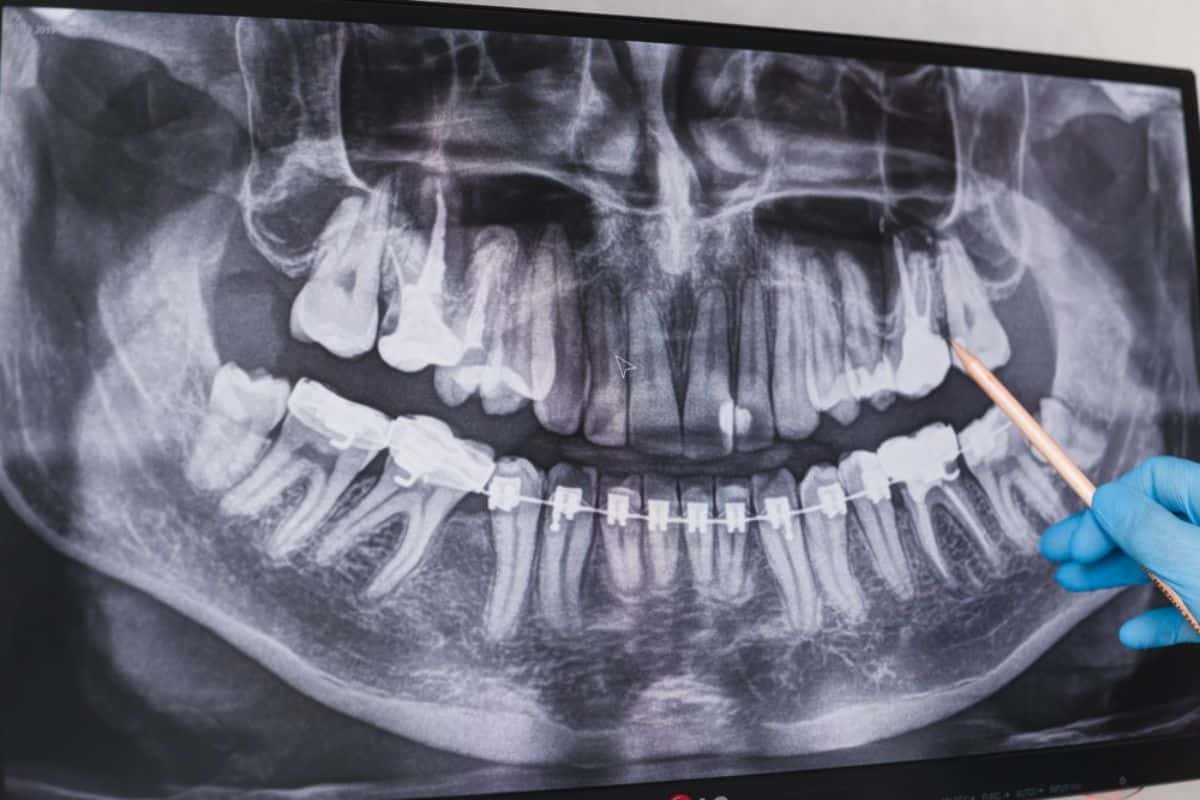
When you’re experiencing pain or swelling near the back of your mouth, it could be an early wisdom tooth infection. Knowing how to know the difference between temporary discomfort and an actual infected wisdom tooth can help you avoid bigger dental issues. In this blog, we’ll explore the symptoms, causes, and when it’s time to visit a dentist.
What Is a Wisdom Tooth Infection?
Wisdom teeth are the final molars to emerge, usually between ages 17 and 25. Sometimes, they don’t have enough space to grow in properly. This can cause them to become trapped in the gum (impacted), making it easier for bacteria to build up and lead to infection.
This condition is medically referred to as pericoronitis and is a common concern among young adults. An early stage wisdom tooth infection can go unnoticed for days unless you know what to look for.
Signs You Might Have an Infected Wisdom Tooth
Recognizing the warning signs early makes a big difference in preventing complications. Here are some of the most common symptoms:
-
Pain or discomfort at the back of the mouth
-
Swelling or redness around the gum
-
Jaw stiffness or difficulty opening your mouth
-
A bad taste in your mouth or bad breath
-
Swollen lymph nodes or slight fever
If you’re noticing these signs of wisdom tooth infection, don’t wait for the pain to get worse.
I personally experienced this discomfort, and after a detailed exam, the team at Evergreen Dental Group recommended wisdom tooth extraction to prevent recurring infections. The relief was almost immediate, and I’ve had no issues since.
What Causes the Infection?
Here are some common causes behind an infected wisdom tooth:
-
The tooth is impacted and has only partially erupted
-
Food particles or debris are trapped under the gum flap
-
Bacteria buildup due to poor cleaning
-
Injury or irritation from chewing near the area
-
A weakened immune system
Once bacteria settle in the area, an infection can develop quickly—especially if the wisdom tooth remains partially covered by gum tissue. At this point, dentists often suggest wisdom tooth extraction as a preventive measure.
When Should You See a Dentist?
Not every case requires urgent dental care, but these signs indicate it’s time to book an appointment:
-
Pain persists for more than 48 hours
-
Swelling makes it hard to chew or speak
-
You have a fever or feel generally unwell
-
Over-the-counter medications don’t help
-
The same symptoms keep coming back
Prompt treatment can stop the spread of bacteria and reduce the chance of needing emergency procedures. Your dentist may suggest cleaning the area, prescribing antibiotics, or moving forward with extraction if needed.
How to Avoid Wisdom Tooth-Related Problems
Taking care of your oral health is key to preventing issues:
-
Rinse with warm salt water to keep the gums clean
-
Brush and floss carefully around the back molars
-
Don’t ignore mild discomfort—monitor it closely
-
Keep up with regular dental checkups
These steps reduce your chances of dealing with an early stage wisdom tooth infection.
Recognizing the signs of wisdom tooth infection early on can prevent more serious dental problems. From pain and swelling to difficulty chewing, knowing how to know when to get help is essential. If you’re struggling with symptoms, don’t wait.
We encourage you to visit our dental office for expert care and guidance. At Evergreen Dental Group, we’re committed to making your dental experience stress-free and comfortable. Whether it’s monitoring symptoms or planning a safe tooth extraction, we’re here to help you smile with confidence.


New Patients and Emergency Appointments are Welcome!