Early & Late Hours


What is considered a dental emergency is a question many people in Evergreen, Colorado ask only when pain suddenly strikes. Dental emergencies can happen without warning, and knowing the warning signs can help protect your smile and overall health. From severe tooth pain to sudden swelling, dental emergencies often need fast attention and timely emergency dental care to prevent serious complications.
This guide explains everything in simple language, so you know exactly when to act and when to call for professional help.
Understanding Dental Emergencies
A dental emergency is any oral health problem that requires immediate treatment to stop pain, control infection, or save a tooth. Unlike routine dental issues, these problems cannot wait for a regular appointment.
In many cases, delaying treatment can lead to permanent tooth loss or health risks. Therefore, recognizing the symptoms early helps you make smart and quick decisions.
Why Quick Action Matters
When you ignore warning signs, small dental problems often turn into bigger ones. Infections can spread, pain can worsen, and treatment may become more complex. As a result, fast action protects both your oral health and your peace of mind.
Signs That Are Considered a Dental Emergency
Not every tooth issue needs urgent care. However, the following signs clearly show when you should seek help right away.
Severe Tooth Pain That Does Not Go Away
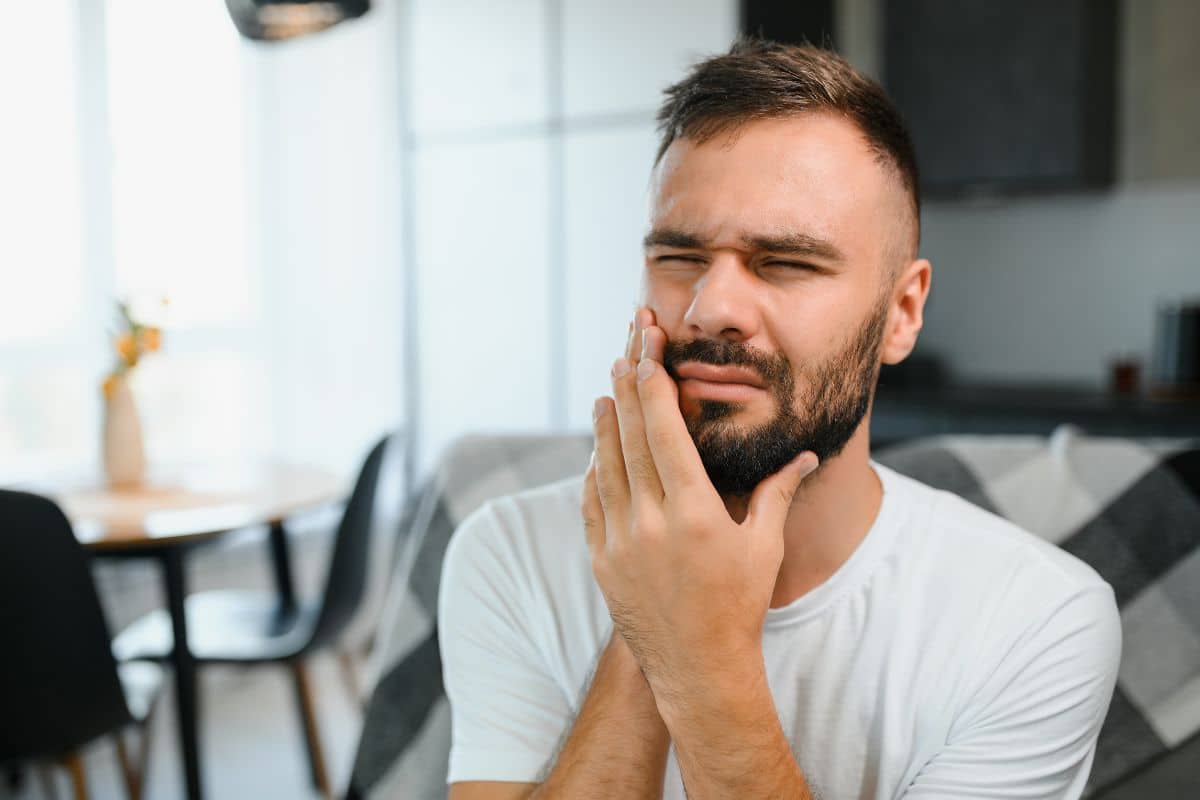
Persistent or intense tooth pain is one of the most common dental emergencies. This type of pain often signals:
-
A deep cavity
-
A tooth infection
-
Nerve damage
If pain lasts for hours or keeps you awake at night, it should never be ignored. Instead, professional evaluation is necessary.
Swelling in the Face, Jaw, or Gums
Swelling usually points to an infection. Facial or jaw swelling may indicate an abscess, which can become dangerous if untreated. Symptoms may include:
-
Puffy cheeks or jaw
-
Tender or warm skin
-
Fever along with swelling
In such cases, emergency dental care is essential to prevent the infection from spreading.
Broken, Cracked, or Knocked-Out Teeth
After pain and swelling, physical tooth damage is another serious concern.
Broken or Cracked Tooth
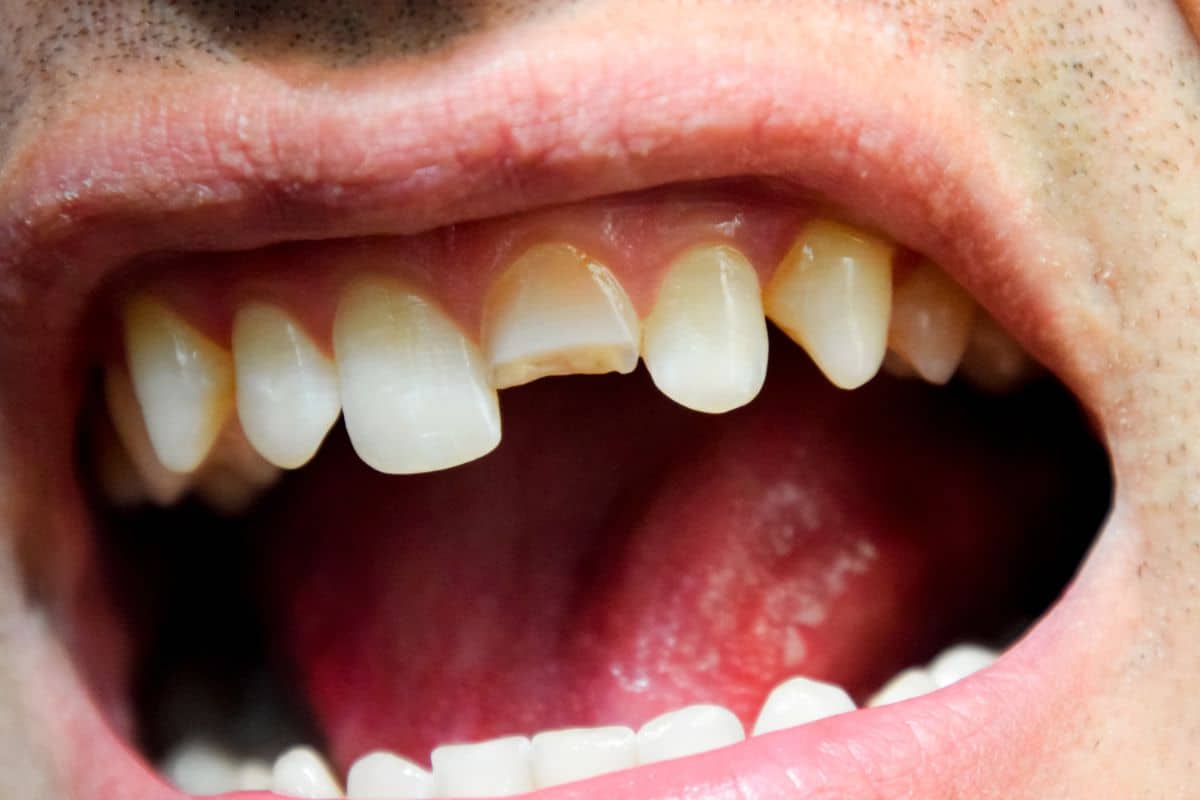
A cracked or broken tooth exposes the sensitive layers of the tooth. As a result, the risk of pain and infection increases. Even if pain feels mild, you should not delay treatment.
Knocked-Out Tooth
A knocked-out tooth is one of the most time-sensitive dental emergencies. If handled quickly, the tooth may be saved. Try to:
-
Hold the tooth by the crown, not the root
-
Rinse gently with clean water
-
Keep it moist and seek care immediately
For patients in Evergreen, Colorado, contacting a trusted emergency dentist at Evergreen Dental Group right away can make a big difference in saving the tooth.
Bleeding That Will Not Stop
Bleeding gums can happen occasionally. However, uncontrolled bleeding after an injury or dental procedure is a serious sign. You should seek help if:
-
Bleeding lasts longer than 10–15 minutes
-
Blood flow is heavy
-
Pain or swelling that appears along with bleeding
This situation is considered a dental emergency and needs urgent attention.
Signs of Oral Infections You Should Never Ignore
Oral infections do not always cause sharp pain at first. Still, they can quickly become severe.
Common Infection Symptoms
Watch for these warning signs:
-
Bad taste or foul smell in the mouth
-
Pus around the gums or tooth
-
Fever or general illness
-
Swollen lymph nodes
Because the infection can spread to other parts of the body, prompt emergency dental care is critical.
Lost Fillings, Crowns, or Dental Restorations
Although these issues may seem minor, they can expose sensitive tooth areas. As a result, pain and further damage may occur.
If you lose a crown or filling:
-
Avoid chewing on that side
-
Keep the area clean
-
Schedule care as soon as possible
While not always painful at first, these problems often become dental emergencies if ignored.
Dental Emergencies in Children
Children often experience dental injuries during sports or play. Parents should watch closely for:
-
Chipped or knocked-out teeth
-
Severe tooth pain
-
Swelling or bleeding
Quick action helps protect a child’s developing teeth and prevents long-term issues.
What to Do Before You Reach the Dentist
Taking the right steps before professional care can reduce pain and prevent damage.
Immediate Care Tips
-
Rinse your mouth with warm water
-
Apply a cold compress to reduce swelling
-
Take over-the-counter pain relief if needed
-
Avoid placing aspirin directly on the gums
These steps help temporarily, but they do not replace the need for emergency dental care.
When to Visit an Emergency Dentist in Evergreen, Colorado
If you experience any of the symptoms discussed above, do not wait. Residents of Evergreen, Colorado should seek immediate care from a trusted local provider.
At Evergreen Dental Group, personalized care focuses on fast relief, clear communication, and long-term oral health. Local experience ensures treatment plans fit the needs of the Evergreen community.
How Emergency Dental Care Protects Your Health
Emergency dental care does more than stop pain. It also:
-
Prevents tooth loss
-
Controls infection
-
Reduces future treatment costs
-
Protects overall health
By acting early, you protect your smile and avoid unnecessary stress.
Don’t Ignore the Warning Signs
Knowing what is considered a dental emergency helps you act with confidence. Severe pain, swelling, broken teeth, bleeding, and infections should never be ignored. These dental emergencies often require fast, professional treatment to prevent serious complications.
If you or a loved one experiences urgent dental symptoms, schedule an appointment right away with Evergreen Dental Group. Our caring team is ready to provide reliable emergency dental care when you need it most. For trusted local urgent dental care, visit our dental office and get the help your smile deserves today.

New Patients and Emergency Appointments are Welcome!