Early & Late Hours

A bright smile is universally appealing, and teeth whitening has become one of the most popular cosmetic dental treatments. While achieving a dazzling white smile is tempting, it’s essential to consider the impact on your overall oral health—particularly your gums. Gums are a vital part of a healthy smile, and any whitening treatment that compromises their health can lead to complications. This blog offers a dentist’s perspective on maintaining gum health while achieving effective teeth whitening results.
The Science Behind Teeth Whitening
Teeth whitening treatments typically involve bleaching agents like hydrogen peroxide or carbamide peroxide. These agents penetrate the enamel to break down stains caused by food, beverages, smoking, or aging. While the process is effective for brightening teeth, these chemicals can inadvertently affect the soft tissues in your mouth, including your gums.
Potential Impact of Teeth Whitening on Gums
1. Gum Irritation
Whitening gels can sometimes come into contact with the gums, leading to temporary irritation. Symptoms may include redness, swelling, or a mild burning sensation. This is usually temporary but can be uncomfortable.
2. Gum Sensitivity
Similar to teeth, gums can become more sensitive during and after a whitening treatment. Sensitivity may be heightened if you have pre-existing gum recession, exposing more sensitive root surfaces.
3. Risk of Overuse
Excessive or improper use of whitening products, especially at-home kits, can damage gum tissue over time. Overexposure to bleaching agents can weaken gum health, leading to chronic irritation or damage.
How to Protect Your Gums During Teeth Whitening
1. Opt for Professional Whitening
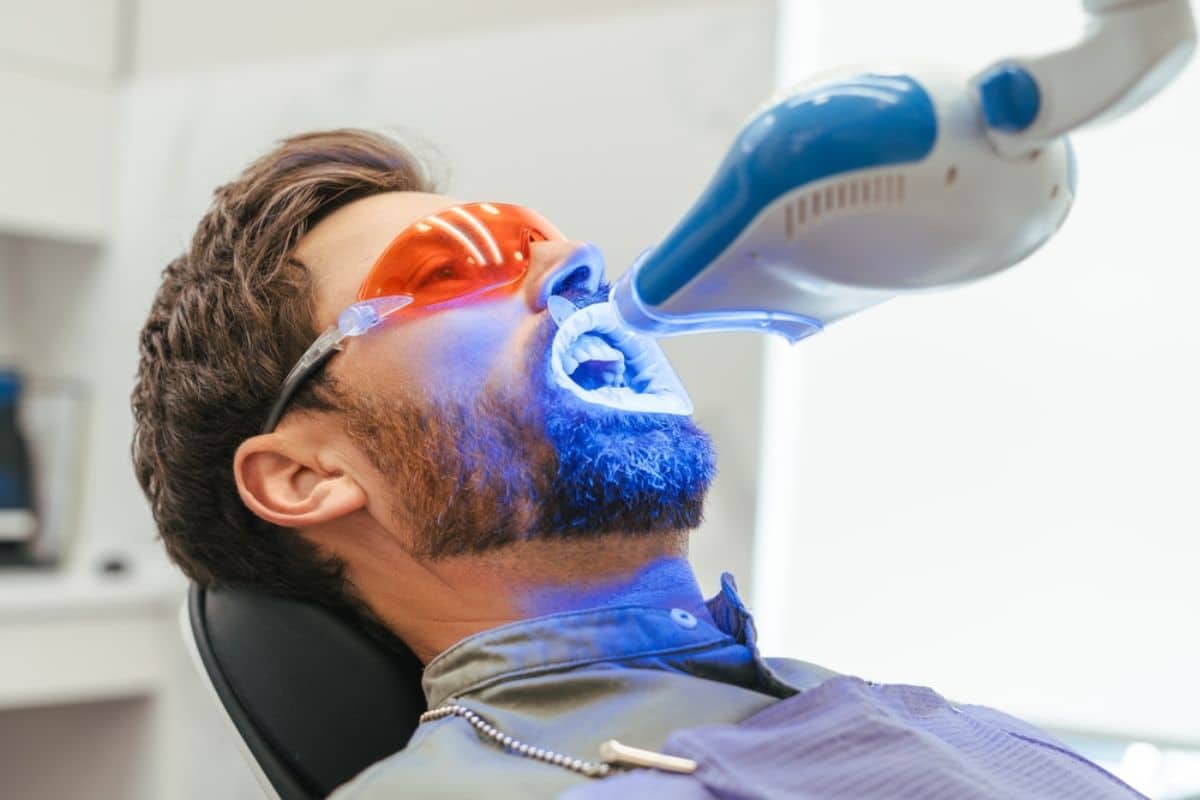
Professional teeth whitening treatments in Evergreen are performed under the supervision of a dentist, ensuring that the bleaching agents are applied precisely and don’t come into contact with your gums. A dentist can also use protective barriers, such as rubber dams, to shield your gums during the process.
2. Use Custom-Fit Whitening Trays
If you’re considering at-home whitening, using dentist-prescribed custom trays ensures the gel stays on your teeth and doesn’t spill onto your gums.
3. Follow Instructions Carefully
Overusing whitening products can harm your gums. Stick to the recommended duration and frequency specified on the product label or advised by your dentist.
4. Treating Pre-existing Gum Issues
Before whitening, ensure your gums are healthy. Treat conditions like gum disease, inflammation, or recession to minimize sensitivity and irritation.
5. Avoid Whitening If Your Gums Are Compromised
If your gums are bleeding, swollen, or inflamed, postpone whitening until your dentist confirms they are in good health.
Maintaining Gum Health After Whitening
Once you’ve achieved your desired shade, ongoing gum care is crucial to maintaining both your smile and oral health.
- Brush Gently: Use a soft-bristled toothbrush and fluoride toothpaste to clean your teeth without irritating your gums.
- Floss Daily: Proper flossing helps remove plaque and bacteria from the gumline, reducing the risk of gum disease.
- Rinse With Antibacterial Mouthwash: This prevents infection and soothes any minor irritation after whitening.
- Stay Hydrated: Drinking plenty of water promotes saliva production, which helps protect gums and teeth.
- Limit Stain-Causing Foods and Drinks: To avoid re-staining your teeth, minimize consumption of coffee, tea, and red wine.
Gum-Friendly Whitening Alternatives
If you’re particularly concerned about your gums, consider gentler whitening methods:
- Whitening Toothpaste: While not as potent as professional treatments, these can gradually remove surface stains.
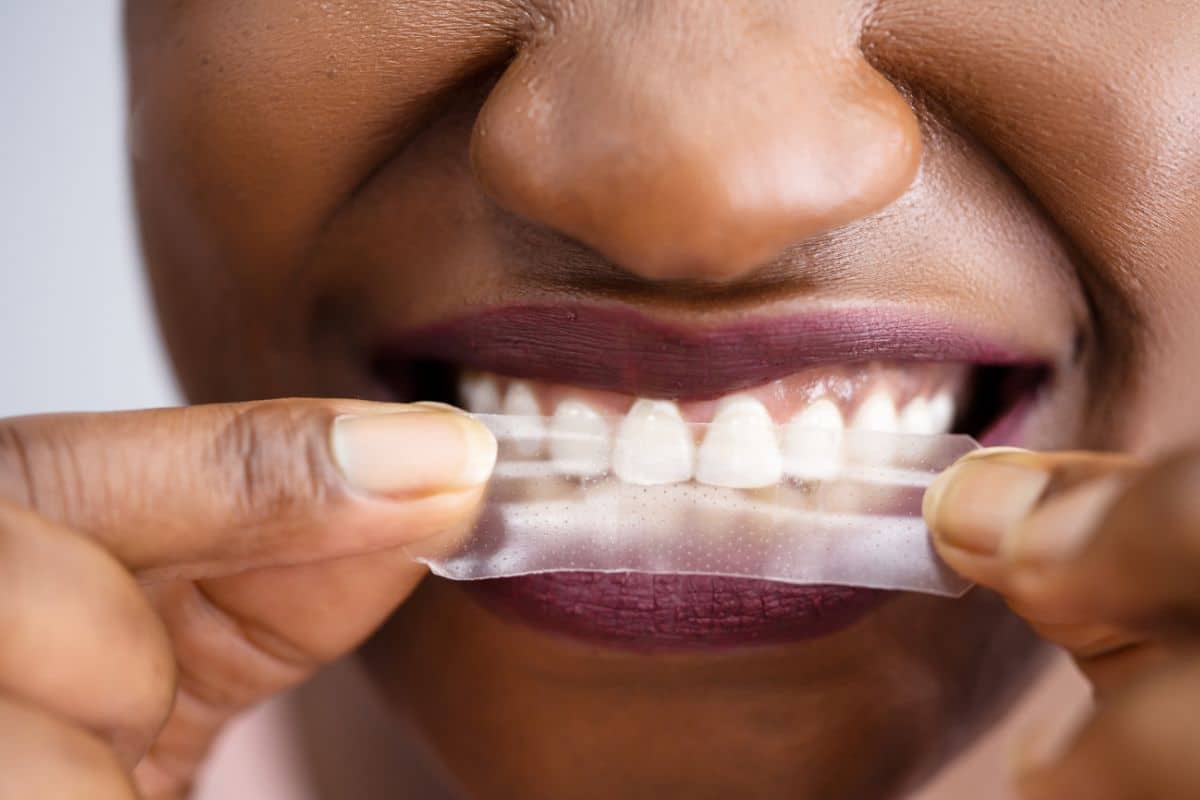
- Whitening Strips with Lower Peroxide Levels: Strips designed for sensitive teeth often contain lower concentrations of peroxide, reducing the risk of gum irritation.
- Natural Whitening Remedies: Baking soda and activated charcoal may offer mild whitening effects without chemicals, though they should be used cautiously to avoid enamel abrasion.
The Dentist’s Role in Balancing Whitening and Gum Health
Dentists are trained to prioritize the health of your entire mouth, including your gums, while enhancing your smile. A dentist can assess your oral health, recommend appropriate whitening methods, and ensure the treatment is done safely. Regular checkups can also identify and address any gum issues early, creating a strong foundation for teeth whitening success.
Balancing Aesthetic Goals with Oral Health
Achieving a brilliant white smile should never come at the expense of gum health. Gums are integral to your overall oral health, and ignoring their care can lead to long-term issues. With proper precautions, professional guidance, and consistent oral hygiene, you can enjoy the benefits of teeth whitening at our dental office without compromising the health of your gums.
By working with a dentist, you can strike the perfect balance between aesthetics and wellness, ensuring that your smile is both beautiful and healthy for years to come.
New Patients and Emergency Appointments are Welcome!