Early & Late Hours

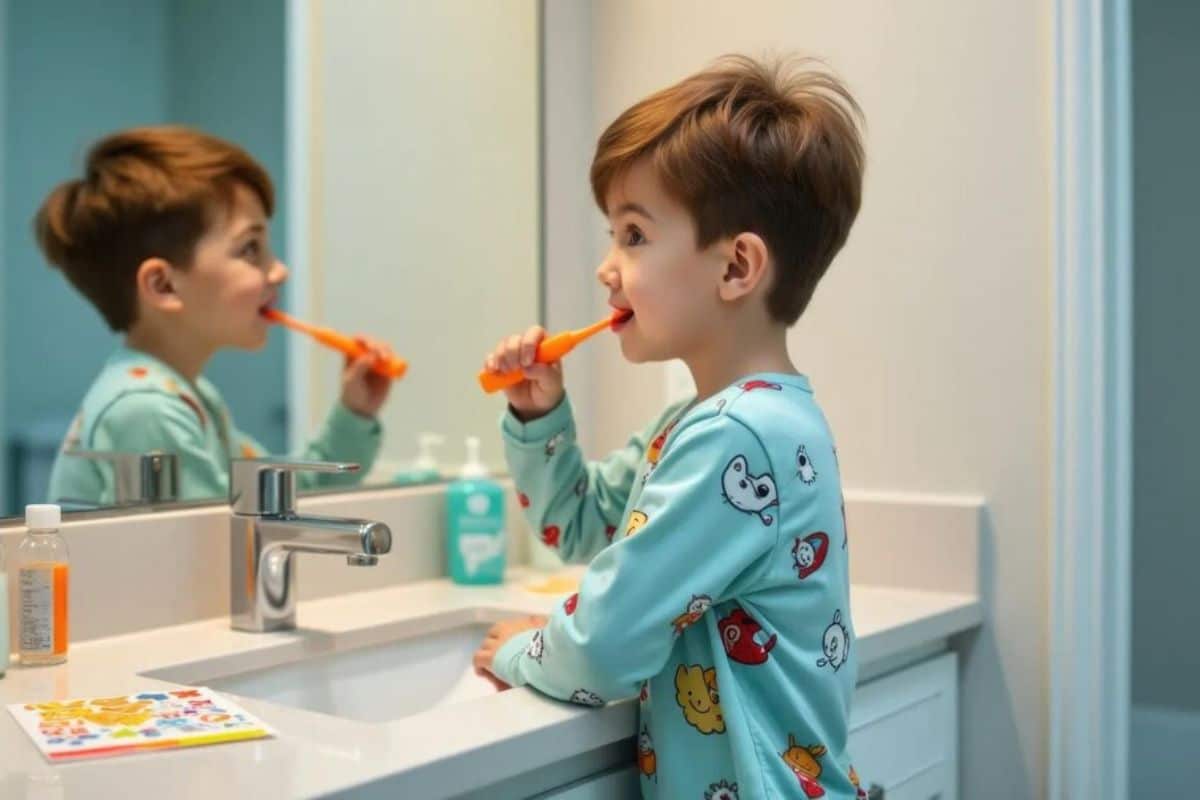
As parents, ensuring your child develops healthy oral hygiene habits early on is essential for their long-term health. While it may seem like a challenge to get your kids excited about brushing and flossing, the benefits of instilling good dental habits can last a lifetime. In the U.S., where childhood cavities remain a common issue, making oral care fun and engaging is key to prevention. Here are some practical strategies to encourage good oral hygiene habits in your children.
Start Early and Be Consistent
Good oral hygiene begins even before the first tooth appears. Gently wiping your baby’s gums with a soft, damp cloth after feedings helps establish an oral care routine. Once their first tooth erupts, switch to a soft-bristled toothbrush. Getting children used to the process of brushing and later flossing will make these activities a normal part of their daily routine. Consistency is crucial. Brushing twice a day, every day, sets a foundation for lifelong oral health.
Make Brushing Fun
Turning oral hygiene into an enjoyable activity can significantly boost your child’s enthusiasm. Here are some ideas to make brushing more fun:
- Use a Timer: Play a two-minute song or use a timer to help them brush for the recommended time. Many electric toothbrushes for kids come with built-in timers and fun sounds.
- Let Them Choose Their Tools: Let your child pick out their toothbrush and toothpaste. Whether it’s a brush featuring their favorite cartoon character or a toothpaste flavor they love, giving them a choice can help them feel more involved.
- Create a Brushing Chart: Use a sticker chart or a reward system to motivate younger children. Each time they brush, they can earn a sticker, and after a week of consistent brushing, they can get a small reward, such as a fun outing or a new book.
Lead by Example
Children are naturally inclined to imitate their parents. By setting a good example, you can reinforce positive behaviors. Brush and floss with your children, showing them how important it is to you. When they see you making oral care a priority, they’re more likely to follow your lead.
Teach Proper Technique
It’s important not just that children brush and floss, but that they do so correctly. Use these tips to teach them proper technique:
- Brushing: Show them how to angle the toothbrush at a 45-degree angle to their gums and use gentle circular motions. Ensure they brush all surfaces of their teeth, including the fronts, backs, and chewing surfaces.
- Flossing: As soon as two teeth touch, introduce flossing. Demonstrate how to use the floss gently between the teeth, curving it in a “C” shape and sliding it under the gumline to remove plaque. Floss picks can be a kid-friendly alternative to traditional floss.
Make Oral Health Part of Their Routine
Integrate oral hygiene into your child’s daily schedule, making it a regular part of their morning and bedtime routine. When brushing becomes a non-negotiable part of their day, it’s easier for them to stay on track. A structured routine is also helpful for managing your time and ensuring dental care doesn’t get skipped during busy days.
Reward Healthy Habits
Positive reinforcement goes a long way in encouraging good behavior. Recognize your child’s efforts and celebrate their successes. You can reward them with small, non-food treats like extra playtime, a new toy, or even a fun family outing. This helps create a positive association with oral hygiene, making them more likely to stick to the routine.
Educate About the Importance of Oral Health
Helping your child understand why brushing and flossing are important can motivate them to take responsibility for their dental care. Age-appropriate books, videos, and educational materials can teach them about the benefits of healthy teeth and gums, how cavities form, and why visiting the dentist is important. Some dental offices even provide child-friendly education during appointments, making it easier for children to relate.
Regular Dental Check-Ups
Even with excellent oral hygiene at home, regular dental check-ups are a must. Pediatric dentists can identify early signs of decay, check for proper development, and reinforce the importance of good oral care. Starting these visits early and maintaining them every six months will help your child develop a positive relationship with dental care professionals, making future visits less stressful.
Conclusion
Encouraging good oral hygiene habits in your kids doesn’t have to be a battle. By starting early, making it fun, and being consistent, you can help your children develop the skills and motivation needed to maintain healthy smiles throughout their lives. Remember, good oral hygiene habits formed in childhood can prevent many dental issues and set the stage for a lifetime of healthy teeth and gums.


New Patients and Emergency Appointments are Welcome!