Early & Late Hours

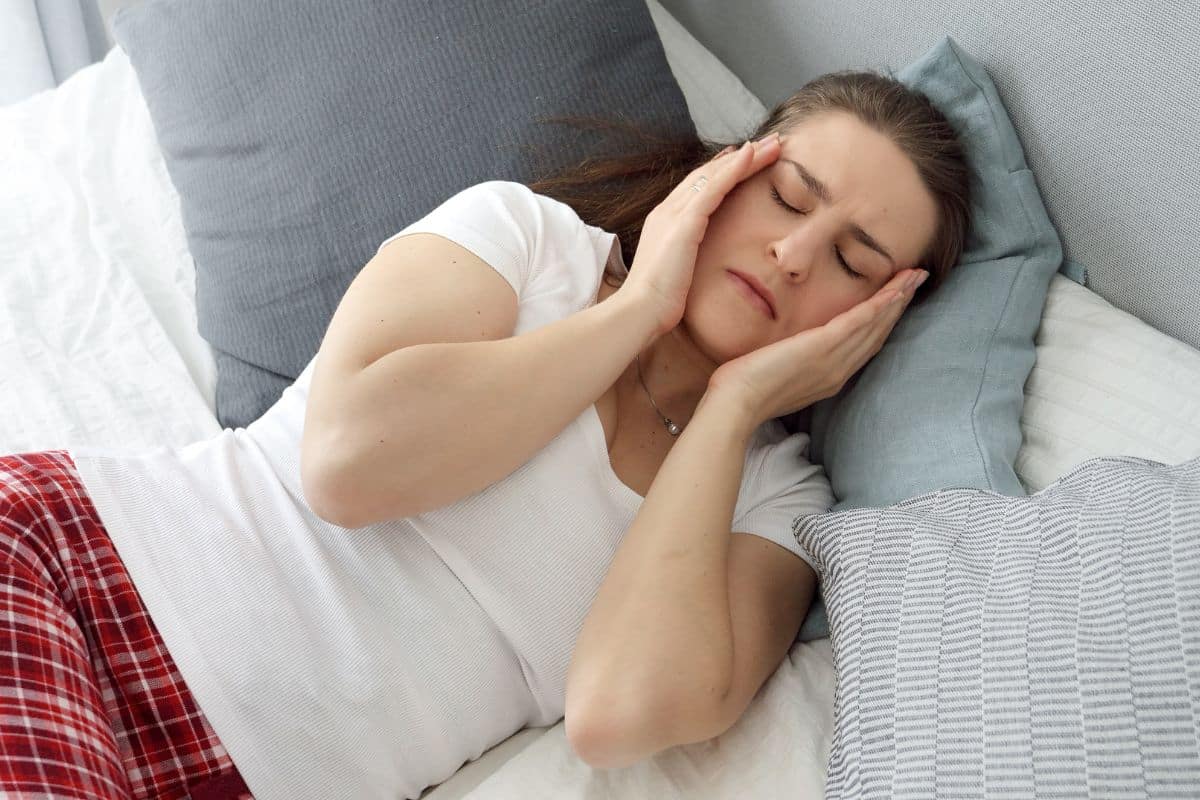
Sleep apnea is a widespread but serious condition where breathing repeatedly pauses during sleep. One of the most effective ways to treat sleep apnea is with Continuous Positive Airway Pressure (CPAP) therapy. At Evergreen Dental, we’re here to guide you through how CPAP therapy works, its key benefits, and what to expect if you decide this treatment is right for you.
What Is CPAP Therapy?
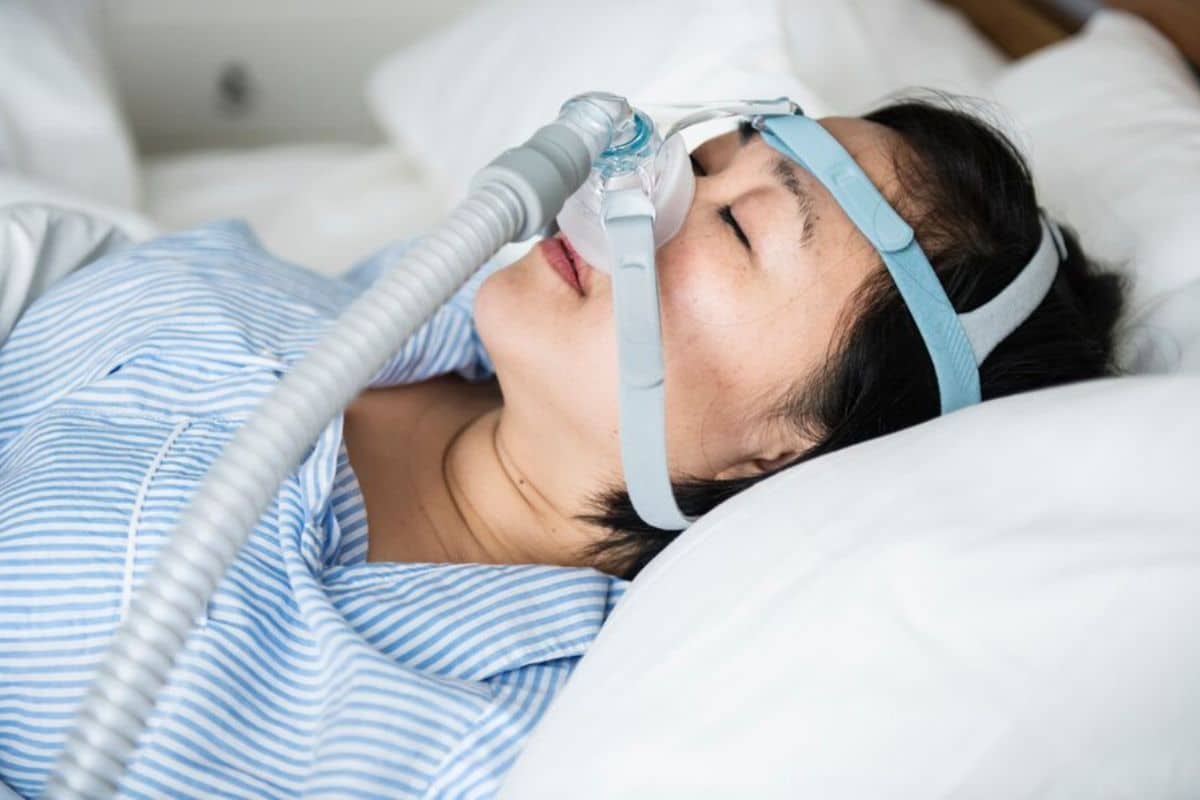
A machine that continuously pumps air through a mask is used in CPAP therapy, which keeps the airways open during sleep. This continuous airflow prevents the airway from collapsing, thereby reducing or eliminating apnea events.
How CPAP Therapy Works
A CPAP machine comprises several components:
- The CPAP Unit: This is the main device that generates the airflow. It usually sits on a bedside table.
- Hose: A flexible tube connects the CPAP unit to the mask.
- Mask: The mask covers the nose and/or mouth and delivers the air pressure to the airways.
When you use a CPAP machine, the airflow generated by the unit passes through the hose and into the mask, keeping your airways open and unobstructed. This continuous pressure ensures that your airway remains open, preventing the interruptions in breathing that characterize sleep apnea.
Benefits of CPAP Therapy
CPAP therapy offers several benefits for individuals with sleep apnea:
- Improved Sleep Quality: By preventing apnea events, CPAP therapy helps you achieve more restful and uninterrupted sleep.
- Increased Daytime Alertness: Better sleep quality leads to improved daytime alertness and reduced fatigue.
- Reduced Risk of Health Complications: Treating sleep apnea with CPAP can lower the risk of associated health issues such as high blood pressure, heart disease, and stroke.
- Enhanced Quality of Life: Better sleep and improved overall health contribute to a higher quality of life.
Getting Started with CPAP Therapy
- Diagnosis and Prescription: To start CPAP therapy, you first need a sleep apnea diagnosis from a sleep specialist. This usually involves a sleep study, either at home or in a sleep lab. If sleep apnea is confirmed, your doctor will prescribe CPAP therapy.
- Choosing the Right Equipment: Your sleep specialist or a durable medical equipment (DME) provider will help you select a CPAP machine and mask that suits your needs. There are different types of masks (nasal, full-face, nasal pillows) and machines with various features.
- Fitting the Mask: Proper mask fit is crucial for the effectiveness of CPAP therapy. Your provider will help you find a mask that fits comfortably and forms a good seal without causing discomfort.
- Adjusting the Settings: Your CPAP machine will be set to the pressure prescribed by your doctor. Some modern machines have auto-titrating features that adjust the pressure as needed throughout the night.
What to Expect During CPAP Therapy
Initial Adjustment Period: It’s normal to take some time to get used to sleeping with a CPAP machine. You might feel uncomfortable or claustrophobic at first, but most users adapt within a few weeks.
Regular Use: For CPAP therapy to be effective, it’s essential to use the machine every night for the entire duration of sleep. Consistency is key to experiencing the full benefits.
Maintenance and Cleaning: Regular cleaning of the mask, hose, and CPAP unit is necessary to prevent infections and ensure the equipment functions properly. Follow the manufacturer’s guidelines for cleaning and replacing parts.
Follow-Up Appointments: Regular follow-ups with your sleep specialist are important to monitor your progress and make any necessary adjustments to your therapy. If you experience any issues, such as mask discomfort or persistent symptoms, don’t hesitate to discuss them with your provider.
Overcoming Common Challenges
- Mask Discomfort: If the mask is uncomfortable, try different styles or sizes. Ensure that it fits snugly without being too tight.
- Dryness or Irritation: CPAP machines with humidifiers can add moisture to the air, reducing dryness and irritation.
- Noise: Some CPAP machines are quieter than others. If noise is a concern, discuss quieter options with your provider.
CPAP therapy is a proven solution for managing sleep apnea, providing many benefits that can enhance both your sleep quality and overall health. While adapting to a CPAP machine may require some time, the long-term health improvements are well worth the effort. At Evergreen Dental Group in Evergreen, CO, we guide you through what to expect with CPAP therapy, helping you understand how it works so you can prepare for a successful treatment journey—ultimately leading to better sleep and a healthier life.
New Patients and Emergency Appointments are Welcome!