Early & Late Hours

Cavities Without Pain: Why You Still Need Dental Treatment
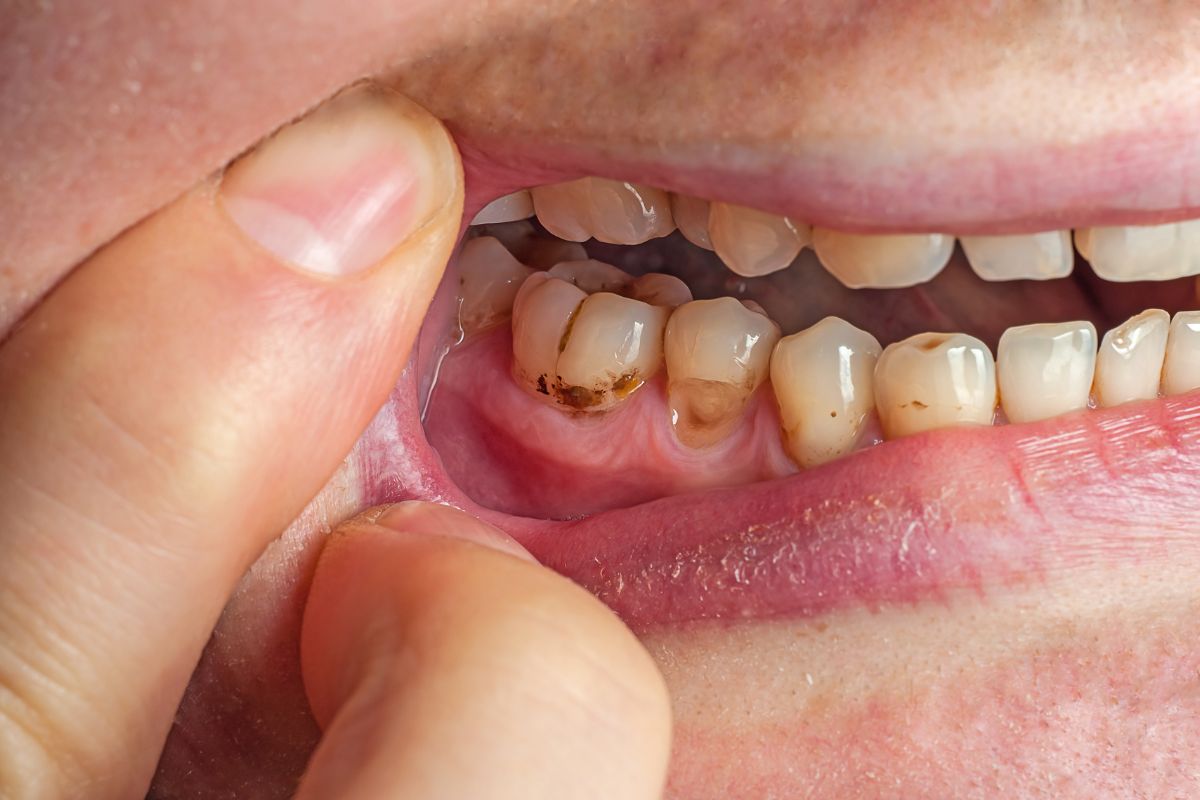
Cavities without pain are more common than most people realize, and they can quietly damage your teeth without any obvious warning. You may feel fine and assume everything is okay, but decay can still be progressing beneath the surface. At Evergreen Dental Group, we often see patients who are surprised to learn they have cavities even though they never felt discomfort.
Understanding how silent cavities develop can help you take action early and protect your long-term oral health.
What Are Cavities?
Cavities are small areas of tooth decay caused by bacteria, plaque, and acids that wear down your enamel. Over time, these acids create tiny holes in your teeth.
While many people expect pain to be the first sign, that is not always the case. In fact, cavities without pain often go unnoticed until they become more serious.
How Cavities Form
- Bacteria feed on sugars from food
- Acid forms and weakens enamel
- Small holes develop in the tooth
- Decay spreads deeper if untreated
Because this process happens gradually, you may not notice any symptoms at first.
Why Cavities Don’t Always Hurt
Many people believe that tooth pain is the main sign of a cavity. However, early decay usually affects only the outer enamel, which has no nerves.
Key Reasons You May Not Feel Pain:
- Enamel has no nerves: Early damage does not trigger discomfort
- Slow progression: The decay spreads gradually
- Hidden location: Cavities between teeth are harder to detect
- Higher pain tolerance: Some people simply feel less sensitivity
As a result, cavities without pain can continue to grow unnoticed for months.
The Hidden Dangers of Ignoring Cavities
Even if you feel no discomfort, ignoring a cavity can lead to serious problems.
What Can Happen If You Delay Treatment:
- Deeper decay: The cavity reaches the dentin and pulp
- Tooth infection: Bacteria spread inside the tooth
- Severe pain later: Pain often appears suddenly and intensely
- Tooth loss: Advanced damage may require extraction
Right after learning about cavities without pain, many patients choose to consult an experienced dentist at Evergreen Dental Group to prevent small issues from turning into major problems.
Common Signs You Might Still Notice
Even though pain is absent, your teeth may show subtle signs of decay.
Watch for These Clues:
- White, brown, or dark spots on teeth
- Rough or uneven tooth surfaces
- Food getting stuck in certain areas
- Mild sensitivity to sweets or temperature
- Bad breath that does not go away
These signs may seem minor, but they often indicate early decay.
How Dentists Detect Cavities Early
Since cavities without pain are hard to detect at home, regular dental visits are essential.
Methods Dentists Use:
- Visual exam: Checking for visible signs of decay
- Dental X-rays: Finding hidden cavities between teeth
- Dental probes: Identifying soft spots in enamel
- Professional cleanings: Removing plaque and tartar
These tools help catch cavities early when treatment is simpler and less expensive.
Treatment Options for Cavities
The right treatment depends on how advanced the cavity is.
Common Treatments Include:
- Fluoride treatment: Helps reverse early decay
- Dental fillings: Repairs small to moderate cavities
- Crowns: Protects teeth with significant damage
- Root canal therapy: Treats infection inside the tooth
Early treatment often means less discomfort and a quicker recovery.
How to Prevent Cavities Without Pain
Prevention plays a major role in protecting your teeth.
Daily Habits That Make a Difference:
- Brush twice daily with fluoride toothpaste
- Floss to clean between teeth
- Limit sugary snacks and drinks
- Drink water throughout the day
- Visit your dentist every six months
These simple habits reduce the risk of cavities without pain and keep your smile healthy.
Why Regular Dental Visits Matter
Even if your teeth feel fine, skipping dental visits can allow hidden problems to grow. Regular checkups help detect issues early and prevent complications.
In addition, professional cleanings remove plaque that brushing alone cannot eliminate. This step plays a key role in maintaining strong and healthy teeth.
Don’t Wait for Pain to Take Action
Cavities without pain may seem harmless, but they can silently damage your teeth over time. Waiting for discomfort often means the problem has already progressed. By understanding the early signs and visiting your dentist regularly, you can avoid serious dental issues and costly treatments.
If you want to protect your smile, now is the time to act. Schedule your appointment today and keep your teeth strong, healthy, and pain-free.
Related Articles



New Patients and Emergency Appointments are Welcome!