Early & Late Hours

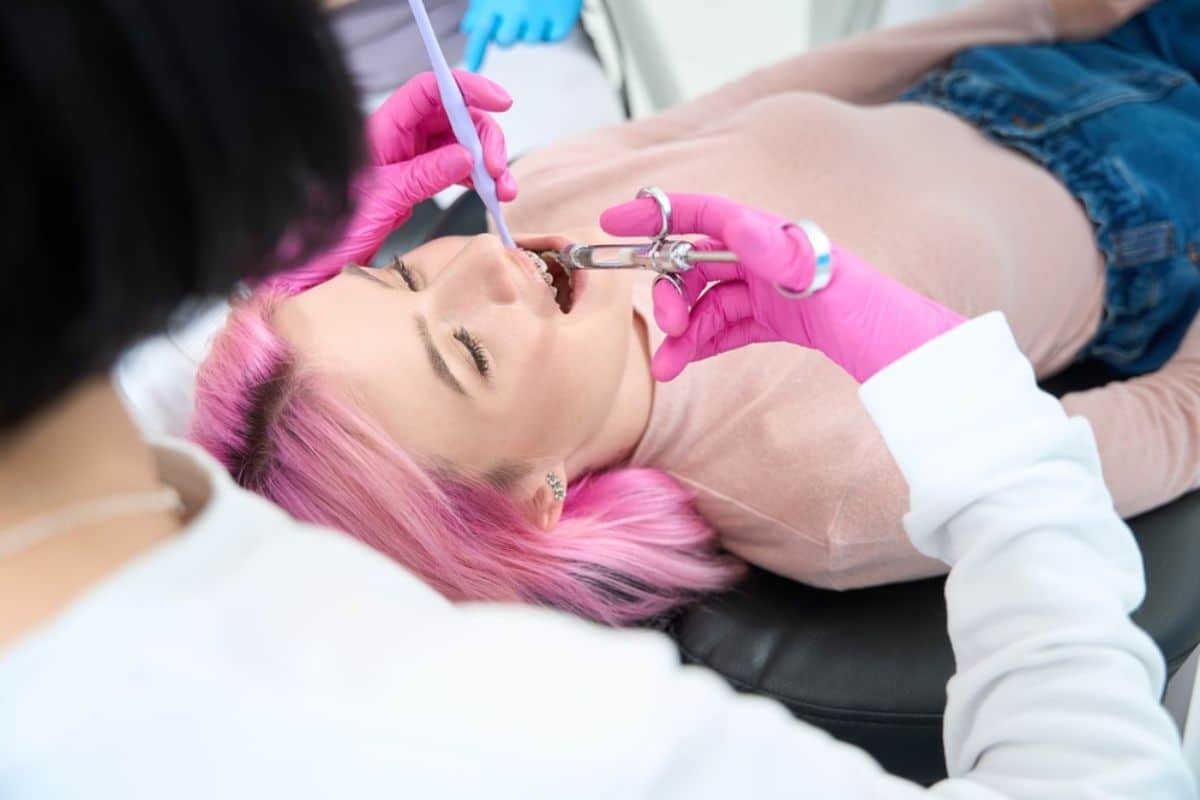
Most people know that gum disease can cause bleeding gums, bad breath, and even tooth loss. But what about its impact on the jaw? Could untreated gum disease contribute to temporomandibular joint (TMJ) disorders? While gum disease and TMJ are separate conditions, they can sometimes be linked, creating discomfort and complications for oral health. Let’s explore how these two issues may be connected and why gum disease treatment in Evergreen can play a vital role in preventing jaw pain and dysfunction.
Gum Disease and Its Impact
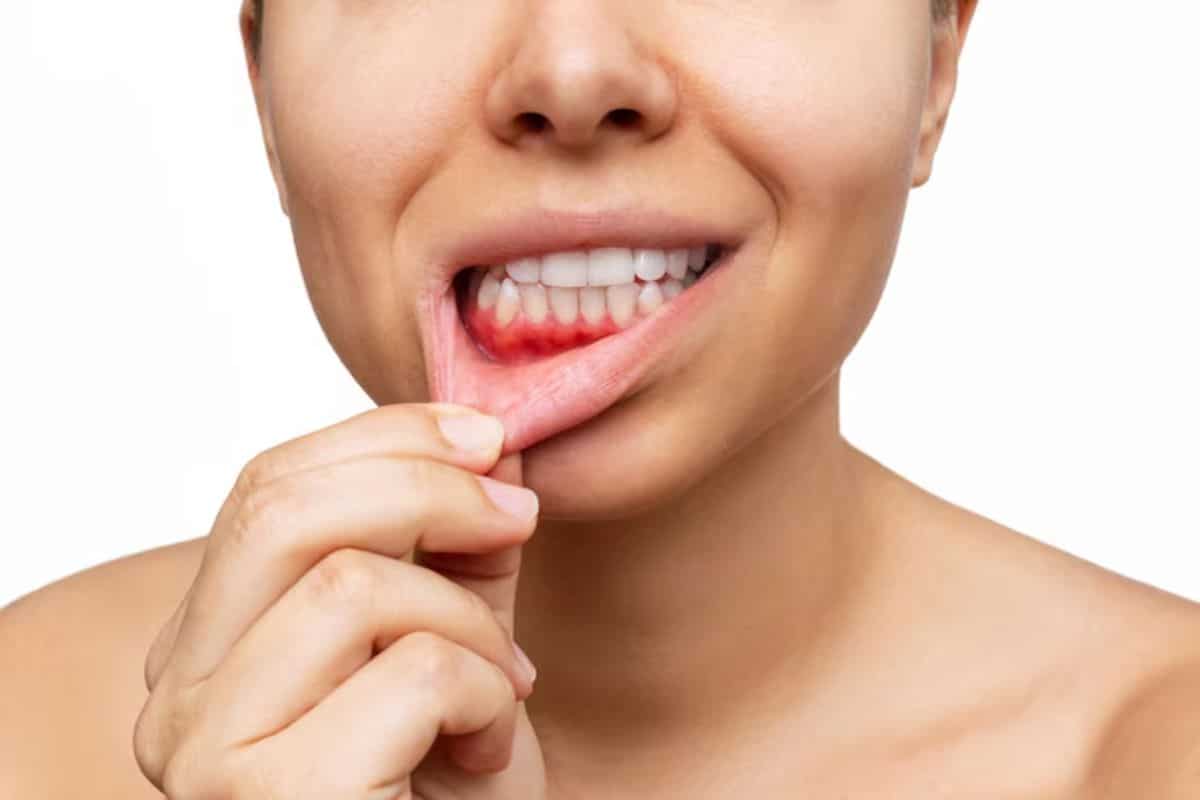
Gum disease, also known as periodontal disease, occurs when bacteria build up along the gumline, leading to inflammation and infection. In its early stage (gingivitis), symptoms include redness, swelling, and bleeding gums. If left untreated, it can progress to periodontitis, where the gums pull away from the teeth, causing bone loss and instability in the mouth.
How Gum Disease Affects the Jaw
- Bone Loss: Advanced gum disease erodes the jawbone, which supports the teeth and contributes to the overall facial structure.
- Bite Misalignment: When teeth shift due to gum disease, it can place excessive strain on the jaw.
- Chronic Inflammation: Ongoing gum infections can lead to pain and stiffness in the jaw area, making chewing and speaking uncomfortable.
What Is TMJ Disorder?
The temporomandibular joint (TMJ) is the hinge that connects your jawbone to your skull, allowing you to chew, speak, and move your mouth. TMJ disorders occur when this joint becomes inflamed or misaligned, causing symptoms like:
- Jaw pain or tenderness
- Clicking or popping sounds when opening the mouth
- Difficulty chewing
- Headaches or earaches
- Stiffness in the jaw
The Possible Connection Between Gum Disease and TMJ
While gum disease doesn’t directly cause TMJ disorders, it can contribute to conditions that increase the risk of jaw dysfunction. Here’s how:
1. Gum Disease Leads to Tooth and Bone Loss
As gum disease progresses, it weakens the bone structure that supports teeth. Missing or loose teeth can disrupt the balance of your bite, causing stress on the TMJ and leading to pain or dysfunction.
2. Changes in Bite Alignment Affect Jaw Function
If gum disease causes teeth to shift or become loose, it can lead to an uneven bite. When your teeth don’t fit together properly, your jaw muscles and joints work harder to compensate, increasing the risk of TMJ pain.
3. Chronic Inflammation Can Affect Jaw Movement
Gum infections trigger inflammation throughout the mouth, which can extend to surrounding muscles and joints. If inflammation reaches the jaw area, it can contribute to stiffness, discomfort, and limited jaw mobility.
How to Protect Your Oral Health and Prevent TMJ Issues
The good news is that proper oral care and early gum disease treatment in Evergreen can help prevent complications that may lead to TMJ disorders. Here’s what you can do:
1. Maintain a Consistent Oral Hygiene Routine
- Brush twice a day with fluoride toothpaste.
- Floss daily to remove plaque buildup.
- Use an antimicrobial mouthwash to reduce bacteria.
2. Visit Your Dentist Regularly
Routine dental checkups can help detect gum disease early, preventing it from advancing and causing long-term damage.
3. Address Symptoms of Gum Disease Promptly
If you notice bleeding gums, persistent bad breath, or gum sensitivity, seek treatment right away to prevent further complications.
4. Be Mindful of Jaw Pain or Discomfort
If you experience jaw pain, clicking sounds, or difficulty chewing, talk to your dentist. They can assess whether your symptoms may be related to bite misalignment or TMJ issues.
While gum disease and TMJ disorders are separate conditions, they can sometimes be interconnected through bone loss, inflammation, and bite misalignment. Taking proactive steps to maintain healthy gums can reduce the risk of jaw-related discomfort and long-term complications. If you’re experiencing signs of gum disease or jaw pain, don’t wait—schedule an appointment with a dental professional to protect your oral health and overall well-being.
New Patients and Emergency Appointments are Welcome!