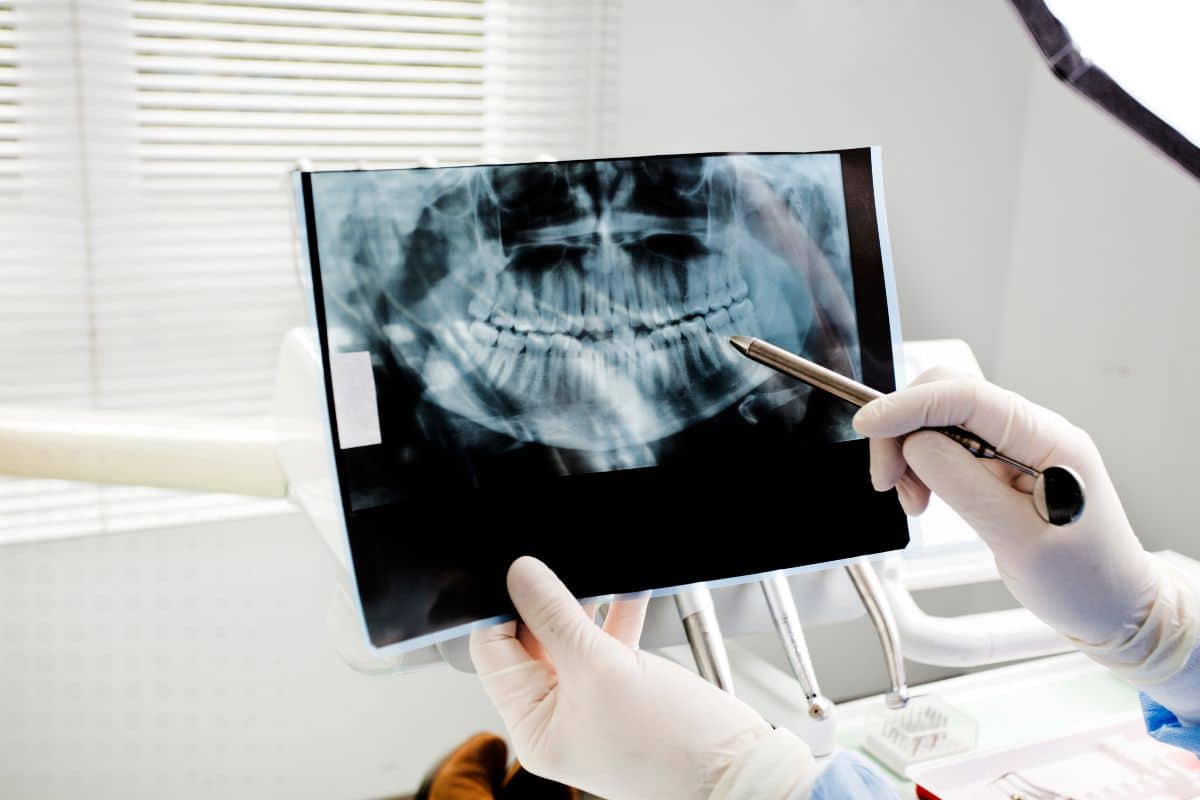
Are dental X-rays safe? This question often comes up when patients visit a dental clinic for a routine checkup or a new concern. Many people worry about radiation and long-term health effects. However, modern dentistry uses advanced technology that makes these images much safer than most patients expect.
This article explains everything you need to know in simple terms. You will learn how these images work, why dentists recommend them, and what safety steps protect you during the process.
What Are Dental X-Rays and Why Are They Used?
Dentists use special imaging tools to see areas of your mouth that the naked eye cannot reach. These images help detect issues early, before pain or visible damage appears.
Dentists rely on these images to:
-
Find cavities between teeth
-
Check bone health around teeth
-
Monitor tooth development in children
-
Spot infections, cysts, or tumors early
-
Plan treatments like implants or braces
Without these images, many dental problems would stay hidden until they become serious and costly.
Are Dental X-Rays Safe for Everyday Patients?
Yes, dental X-rays safe practices exist today because technology has improved greatly over the years. Modern machines use very low radiation levels. In fact, the exposure from a single image equals a few hours of natural background radiation from daily life.
To put this into perspective:
-
You receive radiation from sunlight every day
-
Flying on an airplane exposes you to more radiation than one dental X-ray
-
Digital imaging reduces radiation by up to 90% compared to older methods
Because of these advancements, dentists consider these images safe for routine care when used responsibly.
How Dentists Minimize Radiation Exposure
Safety always comes first in a professional dental setting. Dentists follow strict guidelines to protect patients of all ages.
Common safety measures include:
-
Digital sensors that require less radiation
-
Lead aprons to shield your body
-
Thyroid collars for extra neck protection
-
Imaging only when medically necessary
Just after this second section, I want to speak personally. At Evergreen Dental Group, our dentists believe patient education matters. When local patients ask if dental X-rays are safe, options exist, and we explain each step clearly and only recommend imaging when it truly benefits their oral health. This personal approach helps patients feel confident and informed at every visit.
Types of Dental X-Rays and Their Safety Levels
Not all images serve the same purpose. Dentists choose the type based on your needs.
Common types include:
-
Bitewing images: Detect cavities between teeth
-
Periapical images: Show the entire tooth and root
-
Panoramic images: Capture the full mouth in one view
-
3D cone-beam scans: Used for advanced procedures
Each option uses carefully controlled radiation levels. Dentists select the lowest exposure needed to get accurate results, which further supports the idea that dental X-rays safe standards guide modern care.
Are Dental X-Rays Safe for Children and Pregnant Patients?
Parents often worry about their children, and expectant mothers have valid concerns as well. Dentists take extra care in these situations.
For children:
-
Dentists limit imaging frequency
-
Smaller sensors reduce exposure
-
Images help prevent future dental issues
For pregnant patients:
-
Dentists often delay non-urgent imaging
-
Protective gear reduces any possible risk
-
Emergency situations still require accurate diagnosis
Research shows that dental X-rays safe protocols protect both children and adults when dentists follow proper guidelines.
How Often Should You Get Dental X-Rays?
There is no one-size-fits-all answer. Dentists base recommendations on your oral health history and risk level.
You may need images more often if you:
-
Have frequent cavities
-
Suffer from gum disease
-
Experience dental pain
-
Undergo orthodontic or implant treatment
Patients with healthy mouths may need them less often. This customized approach ensures safe usage without unnecessary exposure.
Myths vs. Facts About Dental Imaging
Many myths still cause confusion. Let’s clear a few up.
Myth: These images cause cancer
Fact: Radiation levels remain extremely low and controlled
Myth: Dentists take images too often
Fact: Ethical dentists follow strict clinical guidelines
Myth: All imaging methods expose you equally
Fact: Digital tools greatly reduce exposure
Understanding the facts helps patients feel more comfortable and informed.
What Makes Modern Dental Imaging Safer Than Ever?
Technology continues to improve patient safety. Today’s dental offices invest in advanced equipment and training.
Key improvements include:
-
High-speed digital sensors
-
Better image accuracy with fewer retakes
-
Clearer diagnostics that reduce repeat visits
Because of these advancements, experts agree that dental X-rays safe standards now exceed what most patients expect.
Final Thoughts: Should You Be Concerned?
Dental imaging plays a vital role in preventive care. Dentists use it to catch problems early and protect your long-term health. When used responsibly, the benefits far outweigh the minimal risks.
If you want personalized guidance or need imaging as part of your care, schedule an appointment with Evergreen Dental Group in Evergreen today. We invite you to visit our dental office and experience patient-first care that puts your comfort and safety first.