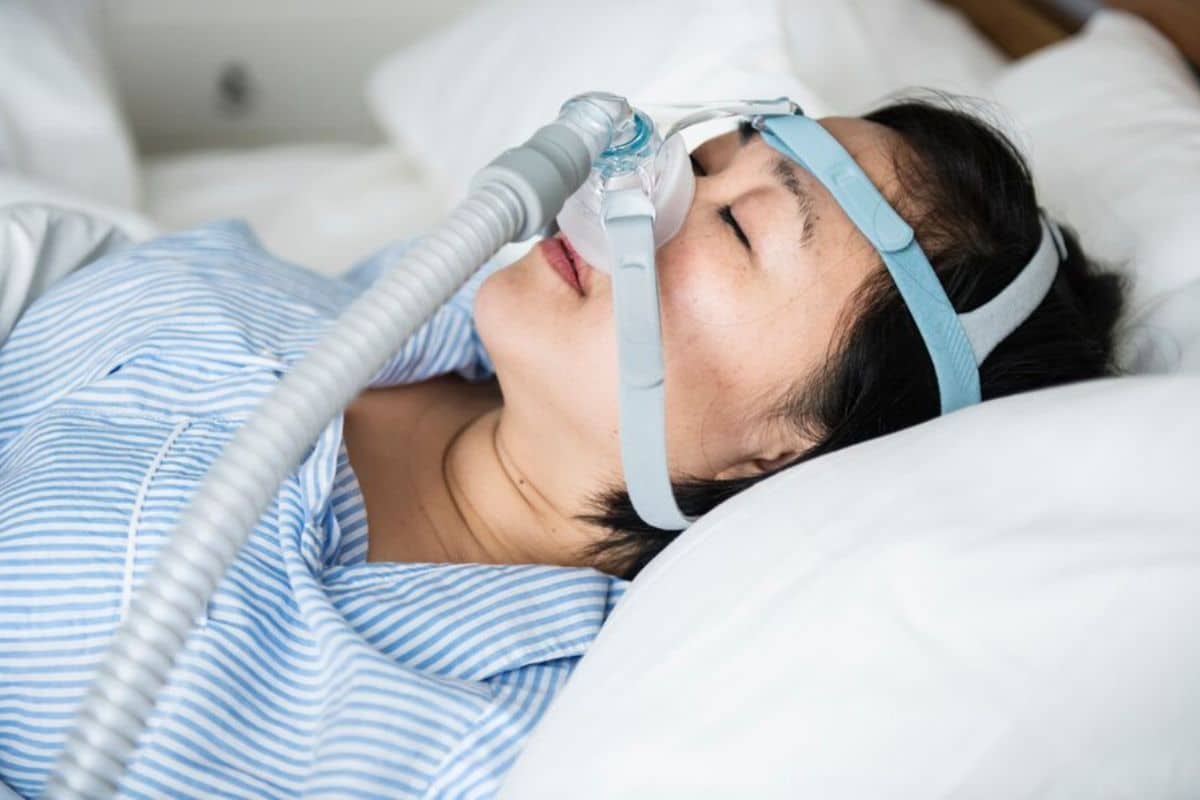
Sleep apnea is a common but serious sleep disorder that affects millions of people in the U.S. It occurs when your breathing is interrupted repeatedly during sleep. These interruptions, called apneas, can happen hundreds of times per night, depriving the body of oxygen and disrupting your rest. While sleep apnea can affect anyone, it is more prevalent in adults, particularly those who are overweight or have certain medical conditions.
In this blog, we will explore what sleep apnea is, its signs and symptoms, and when to seek treatment to ensure you or a loved one get the necessary care.
What is Sleep Apnea?
Sleep apnea is characterized by repeated pauses in breathing during sleep. These pauses typically last 10 seconds or more and occur when the airway becomes blocked or the brain fails to signal the muscles to breathe. There are three main types of sleep apnea:
- Obstructive Sleep Apnea (OSA): The most common form, OSA occurs when the muscles in the throat relax excessively, causing a temporary blockage of the airway.
- Central Sleep Apnea (CSA): This type happens when the brain doesn’t send the proper signals to the muscles that control breathing. It is less common but can occur in people with certain medical conditions.
- Complex (Mixed) Sleep Apnea: A combination of OSA and CSA, where both airway blockage and improper brain signaling occur.
Signs and Symptoms of Sleep Apnea
Sleep apnea can be difficult to diagnose on your own since it primarily happens during sleep. However, several signs and symptoms can suggest that you might have the condition:
- Loud Snoring: Snoring is one of the most common signs of sleep apnea, particularly with obstructive sleep apnea. However, not everyone who snores has sleep apnea.
- Gasping or Choking During Sleep: If you or your partner notices you wake up suddenly gasping for air or choking, it could be due to sleep apnea.
- Excessive Daytime Sleepiness: Because your sleep is constantly interrupted, sleep apnea often leads to feeling extremely tired during the day. You may find yourself falling asleep at inappropriate times, like while watching TV or even driving.
- Morning Headaches: Frequent headaches upon waking can be a sign of reduced oxygen levels during the night, a common symptom of sleep apnea.
- Difficulty Concentrating or Memory Problems: The lack of restful sleep can impair cognitive function, making it harder to focus or remember things.
- Irritability and Mood Swings: Sleep deprivation caused by sleep apnea can lead to mood changes, including irritability, anxiety, and depression.
- Dry Mouth or Sore Throat Upon Waking: This can result from sleeping with your mouth open, which is often a side effect of sleep apnea.
When to Seek Treatment for Sleep Apnea
Sleep apnea is a serious condition that can have long-term health consequences if left untreated. It can increase your risk of developing high blood pressure, heart disease, stroke, diabetes, and even mental health issues like depression and anxiety. Additionally, untreated sleep apnea can affect your quality of life, leading to poor concentration, mood disorders, and increased risk of accidents.
If you experience any of the symptoms listed above, it’s important to seek medical advice. Here’s when to consider getting treatment:
- Frequent Loud Snoring: If your snoring is loud enough to disturb others or is accompanied by choking or gasping sounds, it’s time to see a doctor.
- Daytime Sleepiness: Falling asleep during normal activities, especially driving, is a major red flag that should not be ignored.
- Morning Fatigue Despite Sleeping: If you feel excessively tired even after what seems like a full night’s sleep, you may have undiagnosed sleep apnea.
- High Blood Pressure or Other Health Conditions: Sleep apnea is often linked to other health problems, so if you have high blood pressure or heart issues, getting checked for sleep apnea may be beneficial.
Treatment Options for Sleep Apnea
There are several treatment options available depending on the severity of your condition. Common treatments include:
- Continuous Positive Airway Pressure (CPAP): A CPAP machine delivers a constant flow of air to keep your airway open during sleep.
- Oral Appliances: These are custom-fitted devices that help keep your throat open by repositioning your jaw or tongue.
- Lifestyle Changes: Weight loss, quitting smoking, and changing sleep positions can help alleviate symptoms of mild sleep apnea.
- Surgery: In some cases, surgery may be recommended to remove excess tissue or correct structural problems in the airway.
Conclusion
Sleep apnea is a serious but manageable condition. Recognizing the signs and symptoms early on is crucial for getting the right treatment. If you or a loved one exhibits signs of sleep apnea, don’t hesitate to consult a healthcare professional. Proper diagnosis and treatment can improve your quality of life and prevent serious health complications.