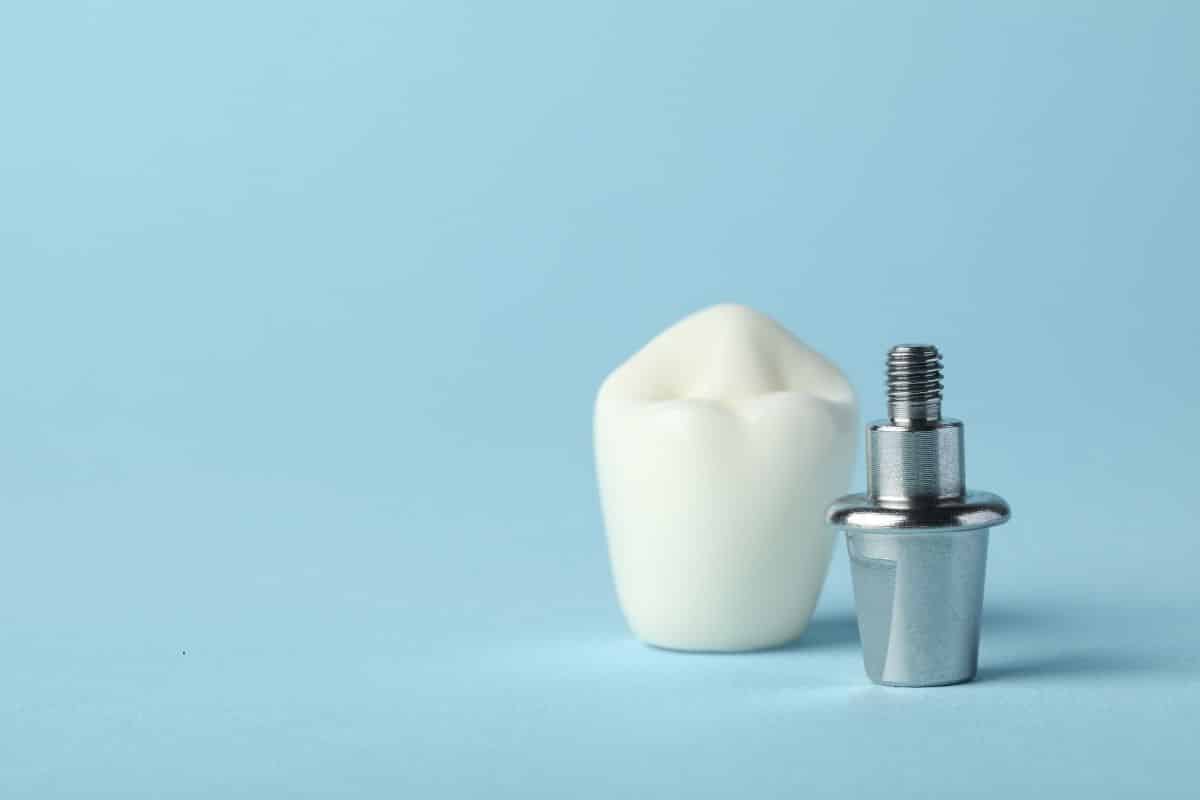
Dental implants in Evergreen are a remarkable innovation, offering a permanent solution for missing teeth. However, experiencing pain when chewing after implant placement can be concerning. At Evergreen Dental Group, we prioritize patient comfort and understanding. This blog post explores the reasons behind dental implant discomfort while chewing and offers guidance on navigating this situation.
Dental Implants: A Boon for Your Smile
Dental implants are small titanium posts surgically placed in the jawbone to act as artificial tooth roots. Over time, they fuse with the jawbone through osseointegration, providing a strong foundation for supporting dental crowns, bridges, or dentures. Implants offer numerous advantages, restoring aesthetics, and functionality, and improving overall oral health.
Why You Might Experience Pain When Chewing with a New Implant
Discomfort or pain after dental implant surgery is relatively common and usually subsides within a few days. However, if you experience persistent pain when chewing, several factors could be at play:
-
Normal Healing Process: Following implant placement, the surgical site undergoes healing. Some discomfort during this initial phase, especially when chewing, is normal.
-
Peri-Implantitis: This is an inflammatory condition affecting the tissues surrounding the implant, similar to gum disease around natural teeth. Pain, swelling, and bleeding gums can be signs of peri-implantitis.
-
Implant Overload: Dental implants are incredibly strong, but excessive chewing pressure can cause discomfort. This might occur if the implant placement is not ideal or the crown is not properly adjusted.
-
Infection: Although uncommon, infection around the implant site can cause pain and swelling.
-
Sinus Issues: In the upper jaw, implant placement can sometimes irritate the maxillary sinuses, leading to facial pain or pressure.
When to Seek Professional Help from Your Dentist in Evergreen
While some discomfort after implant surgery is expected, it’s crucial to seek professional help from your dentist at Evergreen Dental Group if you experience:
- Severe or persistent pain: Pain that worsens or doesn’t subside within a reasonable timeframe requires a dental evaluation.
- Visible signs of infection: Signs like redness, swelling, or pus drainage around the implant site warrant immediate attention.
- Loose implant: If the implant feels loose or seems to move, consult your dentist immediately.
- Numbness or tingling: Persistent numbness or tingling around the implant site can indicate nerve involvement and necessitate a dental checkup.
Ensuring a Smooth Healing Process and Long-Term Implant Success
At Evergreen Dental Group, we are committed to your implant success. Here are some tips to promote a smooth healing process and minimize discomfort:
-
Follow Post-Operative Instructions: Meticulously adhere to your dentist’s instructions regarding pain medication, oral hygiene practices, and dietary restrictions.
-
Maintain Gentle Oral Hygiene: Practice gentle brushing and flossing around the implant site, avoiding irritation.
-
Pain Management: Over-the-counter pain medication can help manage discomfort during the initial healing phase.
-
Soft Diet: Opt for a soft diet during the first few days after implant placement to minimize pressure while chewing.
-
Dental Follow-Up Appointments: Regular dental checkups are crucial for monitoring healing and ensuring implant success.
A Beautiful Smile Starts with Evergreen Dental Group
Dental implants in Evergreen offer a life-changing solution for missing teeth. By understanding the potential causes of pain when chewing with a new implant and seeking professional help when necessary, you can ensure a smooth healing process and enjoy the long-term benefits of your dental implants. At Evergreen Dental Group, our experienced and caring team is here to guide you through every step of the implant journey.
Schedule a consultation with us today to discuss your dental implant options and achieve a healthy, confident smile!