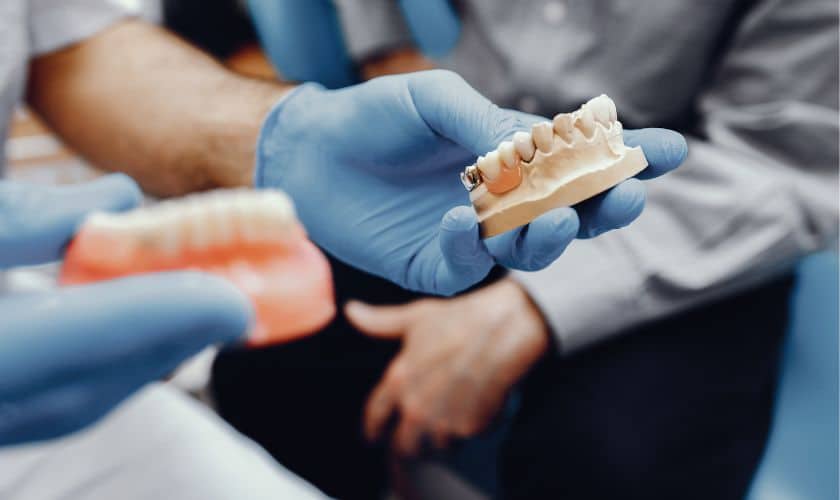
Are you missing a tooth or multiple teeth? Have you considered getting a dental bridge but don’t know where to start? There are several types of dental bridges available and choosing the right one can be overwhelming. In this blog post, we will explore the different types of dental bridges and help you make an informed decision about which type is best for you. So let’s dive in!
Traditional Dental Bridges
Traditional dental bridges are the most common type of dental bridges. They are made of porcelain or ceramic and are designed to match the color of your natural teeth. Traditional dental bridges are usually supported by two dental implants or by natural teeth.
Cantilever Dental Bridges
A cantilever dental bridge is a fixed dental prosthesis used to replace one or more missing teeth. The cantilever bridge is supported by one or more abutment teeth (natural teeth, implants, or pontics) and usually consists of two pontics and one connector bar between them. Cantilever bridges are typically used when there are healthy adjacent teeth on only one side of the missing tooth/teeth.
Cantilever bridges are usually made from porcelain fused to metal (PFM), ceramic, or all-metal materials. Your dentist will recommend the best type of material for your particular case, depending on the location of the missing tooth/teeth and the force exerted on that tooth during chewing. cantilever bridges can be fabricated with either conventional (glued) or adhesive (cemented) methods.
The advantage of cantilever bridges over other types of dental bridges is that they require fewer support teeth (abutments). This makes cantilever bridges a good option for patients who do not have enough healthy adjacent teeth to support a traditional dental bridge. The downside of cantilever bridges is that they put more force on the supporting abutment teeth than other types of dental bridges, which can increase the risk of those teeth breaking or being damaged.
Maryland Bonded Dental Bridges
A Maryland bonded dental bridge is one type of dental bridge that can be used to replace one or more missing teeth. As the name suggests, this type of bridge is bonded to the existing teeth on either side of the gap using a strong adhesive. Maryland bonded bridges are usually made from porcelain or ceramic, and they can be matched to the color of your natural teeth. This type of bridge is less expensive than some other types of bridges, but it is not as durable and may need to be replaced more often.
Implant-Supported Dental Bridges
An implant-supported dental bridge is a type of dental bridge that is supported by one or more dental implants. Unlike a traditional dental bridge, which is supported by natural teeth, an implant-supported bridge does not rely on any surrounding teeth for support. This makes implant-supported bridges a good option for people who are missing one or more teeth and do not have enough healthy natural teeth to support a traditional dental bridge.
The first step in getting an implant-supported dental bridge is to have one or more dental implants placed in your jawbone. Once the implants have healed and bonded with your jawbone, your dentist will then place the artificial teeth (known as pontics) onto the implants. The pontics can be made from a variety of materials, including porcelain, ceramic, or metal. The type of material used will depend on the number of pontics being used, as well as the overall aesthetic of your smile. Once the pontics are in place, your dentist will then attach the false teeth (or crowns) to them.
Implant-supported dental bridges typically last longer than traditional bridges because they do not put any extra stress on surrounding teeth. They also help to preserve bone mass in the jaw and can improve chewing function. If you are considering an implant-supported dental bridge, be sure to discuss all of your options with your dentist to ensure that it is the best treatment option for you.
Resin-Bonded Dental Bridges
There are several types of dental bridges, but one of the most popular is the resin-bonded bridge. This type of bridge uses metal wings or clasps that are attached to the existing teeth on either side of the gap. A false tooth, or pontic, is then placed in the middle and bonded to the metal wings or clasps with a special resin.
Resin-bonded bridges are usually made from porcelain or ceramic, which gives them a natural look that blends in well with your other teeth. They’re also less expensive than other types of bridges, making them a good option for people who are looking to save money.
One downside of resin-bonded bridges is that they’re not as strong as other types of bridges and may not last as long. Additionally, the bonding material used to attach the pontic to the metal clasps can sometimes come loose, which may cause the pontic to fall out.
How To Choose The Right Type Of Dental Bridge For You?
When you’re missing a tooth or teeth, it can be difficult to chew and speak properly. Dental bridges are one way to replace missing teeth. There are three main types of dental bridges: traditional, cantilever, and Maryland.
The most common type of dental bridge is the traditional bridge. This type of bridge consists of two crowns that go over the teeth on either side of the gap left by the missing tooth. In between these two crowns is a false tooth, called a pontic. Traditional bridges are made from porcelain fused to metal or ceramics.
Cantilever bridges are used when there are healthy teeth on only one side of the gap left by the missing tooth or teeth. Cantilever bridges consist of one dental crown that is anchored to the adjacent tooth, with a pontic in between. These types of bridges are not as common as traditional bridges because they put more stress on the supporting tooth.
Maryland Bridges, also called resin-bonded bridges or adhesive bridges, are made from plastic teeth and gums supported by a metal framework. The metal framework is bonded to your existing teeth with resin cement for support. Maryland Bridges are less expensive than other types of dental bridges and can be used when there are healthy teeth on both sides of the gap left by the missing tooth or teeth.
The Bottom Line
Dental bridges are a great way to replace missing teeth and restore your smile. We hope this article has helped you better understand the different types of dental bridges available, as well as how they work and what kind of results you can expect. Whether it’s a traditional bridge, an implant-supported bridge or any other type that suits your needs best, rest assured that you can get back the beautiful smile that once graced your face with the help of dental bridges.