Early & Late Hours

Is Your Toothbrushing Technique Actually Working?
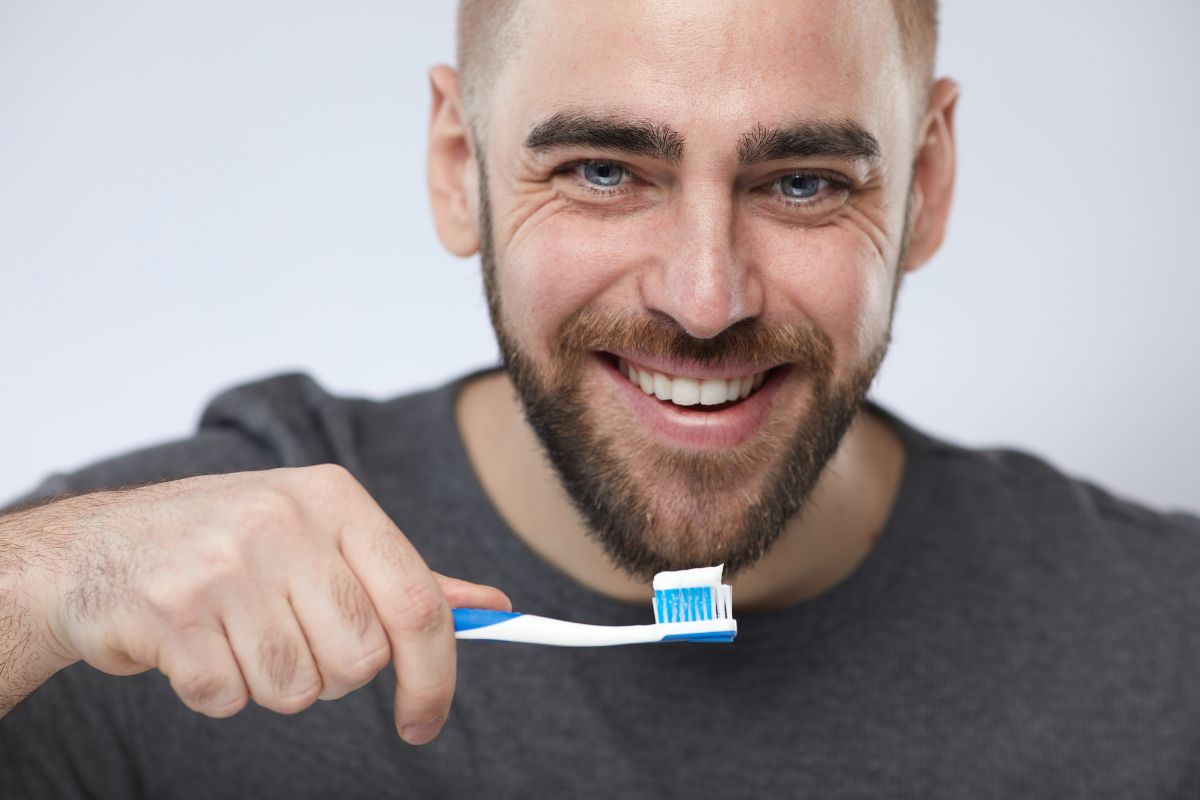
Your toothbrushing technique has a direct impact on your oral health every single day. Many people brush twice daily and believe they are doing everything right. However, small mistakes can leave plaque behind and increase the risk of cavities and gum disease. At Evergreen Dental Group, we often help patients improve their daily oral hygiene by making simple changes that deliver lasting results. If you’ve ever wondered whether your brushing routine is truly effective, this guide will help you find the answer.
Why Your Toothbrushing Technique Matters
Brushing your teeth is one of the most important habits for maintaining a healthy smile. However, brushing alone is not enough if your method is incorrect. Your toothbrushing technique determines how well you remove plaque, food particles, and harmful bacteria from your teeth and along the gumline.
When plaque stays on your teeth, it can harden into tartar, which increases the risk of tooth decay and gum disease. In addition, ineffective brushing may cause bad breath, tooth sensitivity, and staining over time. Fortunately, improving your brushing habits does not require expensive products. Instead, it starts with learning the right technique and using it consistently.
Signs Your Brushing Routine May Not Be Working
Many people do not realize they have ineffective brushing habits until dental problems appear. Recognizing the warning signs early allows you to make improvements before serious issues develop.
Common signs include:
- Bleeding gums while brushing
- Bad breath that keeps returning
- Plaque buildup along the gumline
- Frequent cavities
- Red or swollen gums
- Teeth that feel rough after brushing
If you live in Evergreen, your Evergreen dentist can help you improve your toothbrushing technique with personalized recommendations based on your unique smile. At Evergreen Dental Group, we focus on preventive dental care and patient education because healthy habits at home play a major role in maintaining long-term oral health.
Common Toothbrushing Mistakes
Even people who brush every day can develop habits that reduce the effectiveness of their routine.
Brushing Too Hard
Many people believe brushing harder removes more plaque. In reality, excessive force can wear down tooth enamel and irritate your gums.
Instead:
- Use light pressure.
- Let the bristles clean your teeth.
- Hold your toothbrush comfortably without squeezing too tightly.
A gentle toothbrushing technique protects both your teeth and your gums.
Brushing for Less Than Two Minutes
Many people underestimate how long they brush. As a result, they often miss important areas.
Try dividing your mouth into four sections and spend about 30 seconds cleaning each one. This approach helps create a more complete toothbrushing technique every day.
Missing Important Areas
Plaque often collects in places people forget to clean.
Pay close attention to:
- The inside surfaces of your teeth
- Behind your back teeth
- Along the gumline
- The chewing surfaces
- Your tongue
Cleaning every area thoroughly makes your toothbrushing technique much more effective.
Using an Old Toothbrush
Toothbrush bristles wear out over time. Once they become frayed, they cannot remove plaque efficiently.
Replace your toothbrush every three to four months or sooner if the bristles lose their shape.
How to Improve Your Toothbrushing Technique
Small changes can make a noticeable difference in your oral health.
Hold Your Brush at the Correct Angle
Position your toothbrush at about a 45 degree angle toward the gumline. This angle helps remove plaque where it commonly collects.
Use Gentle Circular Motions
Avoid aggressive back and forth scrubbing.
Instead:
- Use small circular movements.
- Brush two or three teeth at a time.
- Move slowly around your mouth.
This toothbrushing technique cleans effectively while protecting your enamel.
Brush for Two Full Minutes
Set a timer or use an electric toothbrush with a built-in timer.
Consistent timing helps ensure every part of your mouth receives equal attention.
Brush Twice Every Day
Brushing every morning and before bedtime helps remove plaque before it causes problems.
A consistent toothbrushing technique works much better than brushing only when it feels necessary.
Choosing the Right Toothbrush
The right toothbrush supports a healthier smile.
Look for these features:
- Soft bristles
- A comfortable grip
- A brush head that reaches back teeth easily
- An ADA accepted toothbrush whenever possible
Electric toothbrushes can also improve cleaning for many patients by providing consistent brushing motions and built in timers.
Selecting the Right Toothpaste
Toothpaste plays an important role in protecting your teeth.
Choose a fluoride toothpaste because it helps:
- Strengthen enamel
- Reduce the risk of cavities
- Minimize tooth sensitivity
- Support overall oral health
When combined with the proper toothbrushing technique, fluoride toothpaste offers strong protection against everyday plaque buildup.
Brushing Alone Cannot Do Everything
Even the best toothbrushing technique cannot clean every surface inside your mouth.
For the best results, include these healthy habits in your daily routine:
- Floss once every day.
- Clean between your teeth with interdental cleaners if recommended.
- Drink plenty of water throughout the day.
- Limit sugary snacks and beverages.
- Visit your dentist regularly for professional cleanings and exams.
These habits work together to protect your smile and reduce your risk of future dental problems.
How Your Dentist Can Help
Many people believe they are brushing correctly until a dental examination reveals hidden plaque or early gum disease.
During your preventive visit, your dentist can:
- Evaluate your oral hygiene routine.
- Identify areas you frequently miss.
- Demonstrate the proper toothbrushing technique.
- Recommend the best toothbrush and toothpaste for your needs.
- Remove tartar that cannot be eliminated with brushing alone.
Personalized guidance can make your daily routine much more effective and help you maintain a healthier smile.
Frequently Asked Questions
How often should I brush my teeth?
Brush twice each day for at least two minutes using the correct toothbrushing technique.
Is brushing harder better?
No. Gentle brushing removes plaque effectively while protecting your enamel and gums.
Should I use a manual or electric toothbrush?
Both options work well when used properly. The best choice is the one you can use consistently with the correct toothbrushing technique.
Why do my gums bleed while brushing?
Bleeding gums may indicate plaque buildup or early gum disease. Improving your brushing habits and visiting your dentist can help address the underlying cause.
When should I replace my toothbrush?
Replace your toothbrush every three to four months or sooner if the bristles become worn.
A healthy smile starts with an effective toothbrushing technique. By using gentle pressure, brushing for two full minutes, cleaning every surface of your teeth, and maintaining regular preventive dental visits, you can significantly improve your oral health and reduce your risk of cavities and gum disease. If you would like personalized guidance on improving your brushing habits, schedule your preventive dental appointment with Evergreen Dental Group. To get started, visit our dental office.
Related Articles

New Patients and Emergency Appointments are Welcome!