Early & Late Hours


Dental checkups for seniors become increasingly important as you get older because your teeth, gums, and overall oral health can change over time. Years of chewing, previous dental treatments, medications, and changes in daily habits can affect your smile. Regular dental care helps identify these changes early and supports better oral health for years to come.
Aging does not mean you have to accept tooth loss, gum problems, or discomfort as a normal part of life. With regular examinations and good home care, you can protect your natural teeth and maintain a comfortable smile. Evergreen Dental Group provides preventive, restorative, and other dental services designed to support patients through different stages of life.
Why Dental Care Changes With Age
Your mouth can change gradually as you grow older. Some changes may happen without obvious symptoms, which makes routine dental appointments especially valuable.
For example, years of dental work can affect how your teeth look and function. Gum recession can expose sensitive areas near the roots. Certain medications may also reduce saliva and create a dry mouth.
Common Oral Health Concerns
As you age, your dentist may pay closer attention to:
- Tooth decay
- Gum disease
- Dry mouth
- Tooth sensitivity
- Gum recession
- Worn or cracked teeth
- Loose teeth
- Missing teeth
- Denture fit
- Existing crowns and fillings
- Oral cancer warning signs
Not everyone develops these problems. However, regular examinations allow your dental team to monitor changes and recommend appropriate care.
What Happens During a Dental Checkup?
If you are searching for an Evergreen dentist, Evergreen Dental Group offers preventive care that includes routine examinations and cleanings. The practice also provides oral cancer and gum disease screenings as part of its preventive approach.
During a typical appointment, your dental team may:
- Review your dental and medical history.
- Ask about new symptoms or concerns.
- Examine your teeth and gums.
- Check for signs of tooth decay.
- Evaluate existing dental restorations.
- Look for signs of gum disease.
- Take X-rays when necessary.
- Discuss your daily oral hygiene routine.
- Recommend treatment or continued monitoring.
Your appointment may vary depending on your dental history and current oral health.
Gum Health Deserves Extra Attention
Gum health becomes an important part of oral care as you get older. Gum disease can cause red or swollen gums, bleeding, bad breath, gum recession, and tooth loss when it progresses without treatment.
During dental checkups for seniors, your dentist can examine your gums and look for signs of inflammation or periodontal disease. Early detection can make treatment more manageable and may help protect the teeth and supporting tissues.
Watch for These Warning Signs
Contact your dental team if you notice:
- Gums that bleed regularly
- Persistent gum swelling
- Red or tender gums
- Receding gums
- Loose teeth
- Ongoing bad breath
- Changes in your bite
- Pain while chewing
These symptoms do not automatically mean you have advanced gum disease. However, they deserve professional attention.
Dry Mouth Can Affect Your Teeth
Dry mouth can become a concern as you get older. Certain medications and other factors can reduce saliva production.
Saliva plays an important role in oral health. It helps wash away food particles and supports a healthy environment in your mouth. When saliva production decreases, the risk of tooth decay and discomfort may increase.
What Can Help With Dry Mouth?
If your mouth frequently feels dry, tell your dentist. Your dental team can discuss possible causes and recommend ways to protect your teeth.
You can also ask about:
- Drinking water throughout the day
- Limiting sugary drinks
- Avoiding frequent sugary snacks
- Maintaining regular brushing
- Cleaning between your teeth
- Using products recommended by your dental professional
Do not ignore persistent dry mouth. Even when it does not hurt, it can affect your oral health over time.
Existing Dental Work Needs Regular Monitoring
Many adults have fillings, crowns, bridges, implants, or dentures. These treatments can provide long-term benefits, but they still require professional monitoring.
Dental restorations can wear down over time. The natural teeth around them can also develop decay or other problems. Regular examinations allow your dentist to check whether your existing dental work continues to function properly.
Tell Your Dentist About These Changes
Let your dental team know if:
- A crown feels loose
- A filling feels damaged
- A denture no longer fits properly
- You have difficulty chewing
- A tooth becomes unusually sensitive
- Your bite feels different
- A restoration causes discomfort
Early evaluation can help determine whether you need an adjustment, repair, replacement, or additional treatment.
Tooth Loss Does Not End the Need for Dental Care
Some people assume that dental appointments become less important after losing natural teeth. However, oral care remains important even when you wear dentures or have replaced missing teeth with implants.
Dentures need regular evaluation to ensure they remain comfortable and functional. Your dentist can also examine the tissues underneath the denture for changes.
Dental implants also require ongoing care. Your dentist can monitor the gums and surrounding structures to help maintain the health and function of the implant.
Evergreen Dental Group provides restorative options such as dental implants and implant-retained dentures, along with other tooth replacement treatments.
Keep Dentures Clean and Comfortable
If you wear dentures, follow your dental professional’s cleaning instructions. You should also report sore areas, slipping, or difficulty chewing.
A denture that suddenly feels uncomfortable may need professional evaluation. Avoid trying to make major adjustments yourself because improper changes can affect the fit.
Oral Cancer Screening Is Important
Oral cancer screening is another reason to maintain regular dental appointments. Your dentist can examine areas inside your mouth that may be difficult for you to see.
A professional examination can help identify unusual changes that require further evaluation.
Changes You Should Report
Tell your dental team if you notice:
- A sore that does not heal
- A lump or thickened area
- Unexplained bleeding
- Persistent mouth pain
- Difficulty swallowing
- A persistent voice change
- An unusual patch inside your mouth
These symptoms can have different causes. Still, persistent changes should receive professional attention.
Dental Technology Can Support Better Care
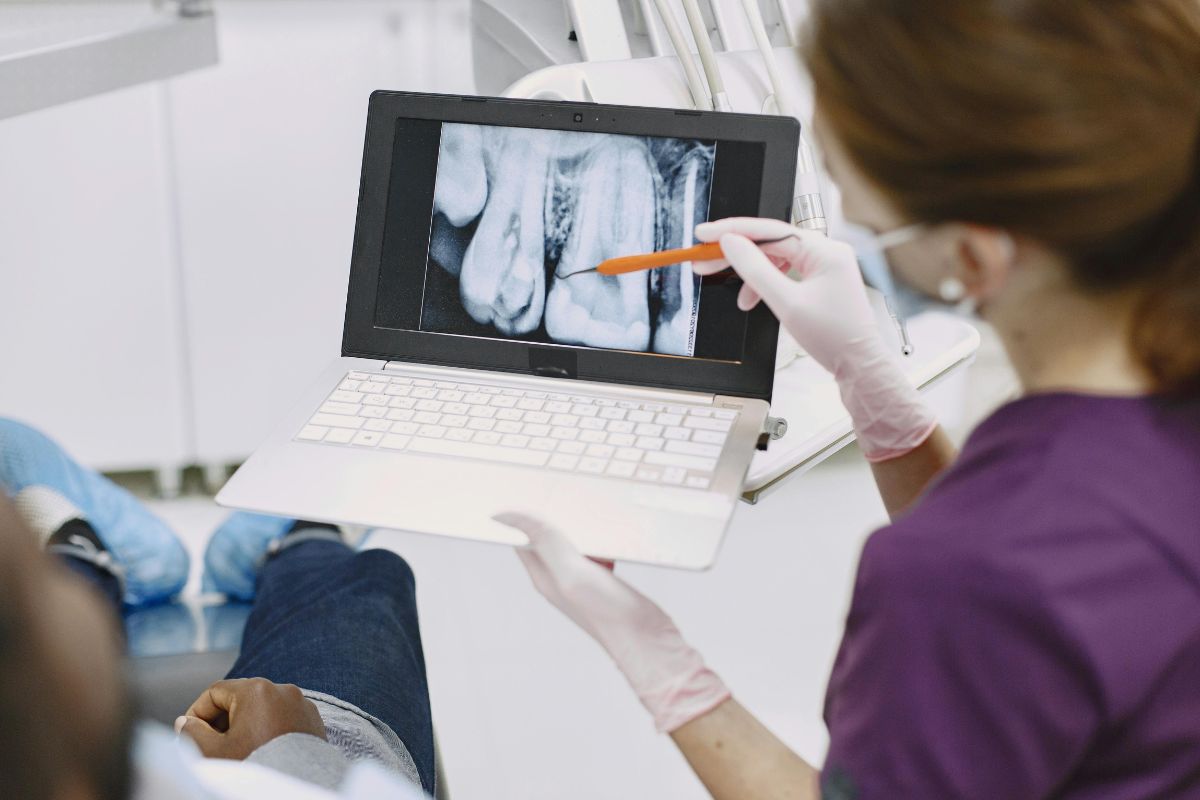
Modern dental technology can make examinations and treatment planning more efficient. Evergreen Dental Group uses digital X-rays and other modern dental technologies as part of its patient care approach.
Digital imaging can help your dentist examine areas that are difficult to evaluate through a visual examination alone. Your dentist may recommend imaging based on your symptoms, dental history, or treatment needs.
Technology should support professional judgment rather than replace it. A good dental team should explain why a particular test or image may benefit your care.
Comfort Should Be Part of Your Dental Experience
Dental visits can feel challenging for some patients. Tooth sensitivity, anxiety, previous uncomfortable experiences, or difficulty sitting for extended periods can affect your experience.
That is why communication matters. Tell your dental team about anything that makes you uncomfortable. This information can help them plan your appointment more effectively.
Tell Your Dentist About Your Concerns
You can discuss:
- Sensitive areas
- Previous difficult dental experiences
- Treatment-related concerns
- Current medications
- Difficulty sitting comfortably
- Changes you have noticed since your previous appointment
Open communication helps your dental team understand your needs and provide more personalized care.
Your Medical History Becomes More Important
Your medical history can become increasingly relevant to your dental care. You may take several medications or experience changes that affect your oral health.
Some medications can contribute to dry mouth. Others may affect how your dentist approaches certain procedures.
Therefore, keep your dental team informed about changes in your medications. Bring an updated medication list when appropriate, especially if you recently started or stopped a prescription.
This information helps your dentist make informed decisions about your oral care.
How Often Should You Have a Checkup?
There is no single appointment schedule that works for everyone. Your dentist can recommend an appropriate frequency based on your oral health, dental history, gum condition, and risk factors.
Many people benefit from routine examinations and professional cleanings twice a year. However, some patients may need more frequent appointments.
For example, your dentist may recommend additional visits if you have:
- A history of gum disease
- Frequent cavities
- Dry mouth
- Multiple dental restorations
- Dentures or implants
- Ongoing dental concerns
Following your personalized schedule can help your dental team monitor changes more closely.
How to Prepare for Your Next Appointment
A little preparation can make your dental visit more productive. Before your appointment, think about any changes you have noticed since your last checkup.
Make a Short List
Consider writing down:
- New symptoms
- Tooth sensitivity
- Gum bleeding
- Changes in your bite
- Medication changes
- Denture concerns
- Problems with crowns or fillings
- Questions about future treatment
You should also bring any requested dental records or medication information.
Most importantly, do not wait for severe pain before mentioning a concern. Some dental problems can progress without causing significant discomfort.
Daily Habits Still Matter
Professional dental care works best when you maintain good habits at home. Regular brushing and cleaning between your teeth can help control plaque and protect your gums.
A simple daily routine may include:
- Brushing twice a day with fluoride toothpaste
- Cleaning between your teeth daily
- Drinking plenty of water
- Limiting sugary foods and drinks
- Cleaning dentures as directed
- Avoiding tobacco products
- Reporting unusual changes to your dentist
Your dental team can recommend adjustments based on your individual needs.
Prevention Can Protect Your Smile
Preventive care can help identify problems before they become more complicated. A small cavity may require a simple restoration, while untreated decay can eventually affect the deeper parts of a tooth.
The same principle applies to gum disease and other oral health concerns. Regular appointments allow your dentist to track changes and recommend care at an appropriate stage.
Evergreen Dental Group focuses on preventive care and provides services such as routine examinations, cleanings, gum disease care, and oral cancer screenings.
Final Thoughts
Aging brings many changes, but losing a healthy smile does not have to be one of them. Dental checkups for seniors can help monitor tooth decay, gum health, dry mouth, existing restorations, dentures, implants, and other oral health changes.
Regular professional care works best alongside daily brushing, cleaning between your teeth, healthy habits, and attention to new symptoms. Most importantly, talk openly with your dental team about changes you notice.
Evergreen Dental Group provides comprehensive dental care, including preventive, restorative, implant, emergency, and other treatment options. If you are due for a checkup or have noticed changes in your oral health, schedule an appointment with Evergreen Dental Group to keep your smile healthy and comfortable.


New Patients and Emergency Appointments are Welcome!