Early & Late Hours

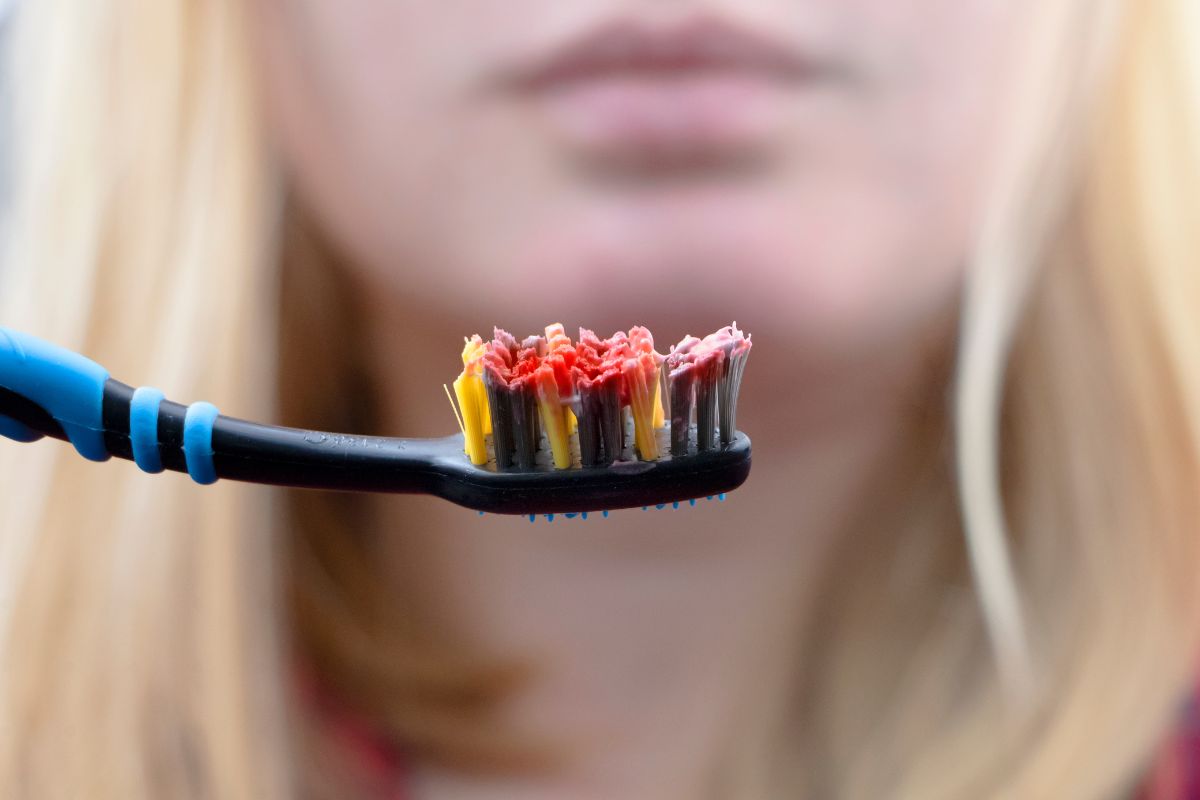
Seeing blood in the sink while brushing can be worrying, especially when it happens regularly. Bleeding gums when brushing may result from irritation, plaque buildup, or early gum disease. At Evergreen Dental Group in Evergreen, Colorado, patients can learn about the causes of gum bleeding and the steps that support better oral health.
Healthy gums generally do not bleed during normal brushing and flossing. Although brushing too hard can irritate the tissue, repeated bleeding deserves attention. Understanding the possible causes can help you protect your gums and recognize when you need professional care.
What Causes Gums to Bleed During Brushing or Flossing?
One of the most common causes is plaque buildup along the gumline. Plaque is a sticky film of bacteria that forms on teeth throughout the day. If you do not remove it regularly, the gums can become irritated, red, and swollen.
This early stage of gum disease is called gingivitis. You may notice blood on your toothbrush or floss, even when your gums do not hurt. However, the absence of pain does not mean everything is healthy.
Other factors can also contribute to bleeding. For example, using a hard-bristled toothbrush or applying too much pressure can irritate the gum tissue. Starting a flossing routine after a long break may also cause slight bleeding at first, particularly when plaque has already caused inflammation.
If the problem continues, the team at Evergreen Dental Group can examine your gums and help identify the cause. An evaluation can also determine whether you need a professional cleaning or additional periodontal care.
Why plaque affects your gums
Plaque contains bacteria that irritate the gum tissue. As plaque builds up, your body’s response to these bacteria causes inflammation.
If plaque remains on the teeth, it can harden into tartar. Unlike soft plaque, tartar cannot be removed with ordinary brushing alone. A dental professional must remove it during a cleaning.
Therefore, daily brushing and flossing play an important role in preventing gum inflammation. However, persistent bleeding may require more than changes to your home routine.
How Can You Tell If Bleeding Gums Are a Sign of Gum Disease?
Gum disease develops when bacteria and plaque trigger inflammation around the teeth. Gingivitis is the earliest stage and often improves with proper oral hygiene and professional cleaning. However, untreated gum disease can progress to periodontitis, which damages the tissues and bone that support your teeth.
Early warning signs
Pay attention to changes in your gums, especially when they happen repeatedly.
Common signs include:
- Red or swollen gums: The gumline may look puffier than usual.
- Bleeding during cleaning: You may notice blood on your toothbrush or floss.
- Tenderness: Your gums may feel sore when you brush or touch them.
- Persistent bad breath: Bacteria can contribute to an unpleasant smell or taste.
- Gum recession: Your teeth may appear longer as the gums pull away.
- Changes around teeth: You may notice spaces developing between your teeth or changes in how they fit together.
Not everyone experiences all these symptoms. In addition, gum disease can develop without obvious discomfort, so regular dental examinations remain important.
What happens if gum disease progresses?
As gum disease advances, pockets may form between the teeth and gums. Bacteria can collect in these spaces, making the infection harder to control with home care alone.
Over time, periodontitis can damage the supporting bone and loosen teeth. Consequently, early evaluation matters even when the bleeding seems minor.
The American Dental Association explains the warning signs, causes, and prevention of gum disease. This resource can help you understand why gum health deserves attention.
Could Your Brushing or Flossing Technique Be the Problem?
Yes. The way you clean your teeth can irritate the gums, particularly if you use excessive force. However, bleeding can also mean that plaque remains along the gumline, so changing your technique is only one part of the solution.
Choose a soft-bristled toothbrush
A soft-bristled brush can clean your teeth effectively without unnecessary pressure. Hold it at a slight angle toward the gumline and move it gently in short strokes.
Avoid scrubbing back and forth with force. Instead, take your time and clean every surface of each tooth.
Also, replace your toothbrush when the bristles become frayed. Worn bristles may not clean as effectively, even if you brush for the recommended amount of time.
Floss gently every day
Floss helps remove plaque and food particles from areas a toothbrush cannot reach. Slide it carefully between your teeth rather than snapping it against your gums.
Curve the floss around each tooth and move it gently beneath the gumline. If standard floss feels difficult to use, ask your dentist whether floss picks or an interdental cleaner would suit you.
Do not stop cleaning the area
When bleeding starts, you may feel tempted to avoid brushing or flossing that spot. However, skipping the area can allow more plaque to collect and worsen inflammation.
Continue cleaning gently unless your dentist gives you different instructions. If bleeding persists or worsens, arrange an examination rather than relying on technique changes alone.
What Other Factors Can Make Your Gums Bleed?
Plaque and brushing habits are common causes, but they are not the only possibilities. Your health, medications, and daily habits may also affect your gum tissue.
Hormonal changes
Hormonal changes during pregnancy, puberty, and other life stages can make gums more sensitive to plaque. As a result, inflammation and bleeding may develop even when your cleaning routine has not changed.
During these periods, careful oral hygiene and regular dental visits can help you manage gum changes.
Smoking and tobacco use
Smoking can increase the risk of gum disease and interfere with healing. It may also hide some visible signs of inflammation, which can make gum problems harder to recognize.
If you use tobacco, discuss its effects on your oral health with your dental team. Reducing or quitting tobacco can support healthier gums and improve healing.
Medications and health conditions
Certain medications, including blood thinners, can increase bleeding. Some health conditions can also affect the gums or the body’s response to infection.
Do not stop taking prescribed medication because your gums bleed. Instead, tell your dentist about your medications and discuss any concerns with the healthcare professional who prescribed them.
Dental appliances and restorations
Braces, retainers, poorly fitting appliances, or rough restoration edges may irritate nearby gum tissue. Your dentist can check whether an appliance or restoration contributes to the problem.
How Can You Reduce Gum Bleeding at Home?
Good daily habits can reduce plaque buildup and support healthier gums. However, home care cannot remove hardened tartar, and persistent bleeding may require professional treatment.
Try these practical steps:
- Brush twice daily: Use a soft-bristled toothbrush and fluoride toothpaste.
- Clean between teeth daily: Choose floss or another suitable interdental cleaner.
- Replace worn toothbrushes: Frayed bristles may clean less effectively.
- Drink water regularly: Water helps rinse away food particles and supports saliva production.
- Avoid tobacco: Quitting tobacco supports better gum health and healing.
- Limit frequent sugary snacks: Reducing repeated sugar exposure can help protect your teeth from decay.
- Keep dental checkups: Professional cleanings remove tartar that brushing cannot eliminate.
Consistency matters more than brushing aggressively. Gentle cleaning twice a day and daily interdental care can help control plaque without placing unnecessary pressure on your gums.
If your gums bleed for more than several days despite gentle, consistent cleaning, contact a dental professional. Seek prompt advice if you notice significant swelling, pus, loose teeth, or persistent pain.
Heavy or unexplained bleeding, particularly when it occurs elsewhere in the body, also deserves medical attention.
What Treatment Might a Dentist Recommend?
Treatment depends on the cause and severity of the bleeding. Your dentist will examine your gums, assess plaque and tartar, and check for signs of deeper periodontal problems.
Professional dental cleaning
If plaque and tartar contribute to gingivitis, a professional cleaning may help remove the buildup. Your dental team can also show you how to improve your brushing and flossing technique.
After cleaning, continue your daily oral hygiene routine to help prevent plaque from accumulating again. Your dentist may also recommend a follow-up visit to check how your gums respond.
Scaling and root planing
When gum disease has progressed beyond mild inflammation, your dentist may recommend a deeper cleaning called scaling and root planing. This procedure removes plaque and tartar from below the gumline and smooths the tooth roots to support healing.
Not everyone needs this treatment. Your dentist will recommend it only when your examination indicates that deeper cleaning is appropriate.
Follow-up and periodontal care
After treatment, regular maintenance helps keep inflammation under control. Your dentist may recommend more frequent periodontal visits based on your gum health and risk factors.
Because gum disease can return, daily cleaning and professional monitoring remain important even after the bleeding improves. The team at Evergreen Dental Group can help you understand the care needed to maintain healthier gums.
When Should You Seek Professional Help?
Occasional bleeding after accidentally brushing too hard may improve once you use a gentler technique. Nevertheless, recurring bleeding deserves attention, particularly when you also notice redness, swelling, bad breath, or gum recession.
Do not wait for pain before seeking advice. Gum disease can progress quietly, and early treatment may help prevent damage to the tissues supporting your teeth.
If you take blood-thinning medication or have a health condition that affects bleeding, tell your dentist about it. Sudden, heavy, or unexplained bleeding may require more urgent medical assessment.
Bleeding gums can result from brushing too hard, but plaque buildup and gum disease are important causes to consider. Gentle brushing, daily flossing, and regular dental visits help protect your gums. Still, persistent bleeding needs professional evaluation to identify the underlying problem.
If your gums bleed regularly, request an appointment to discuss your symptoms and gum health.



New Patients and Emergency Appointments are Welcome!