Early & Late Hours


Tooth enamel repair is one of the most common reasons patients visit a dentist when they experience tooth sensitivity, discoloration, or pain. This protective outer layer of your teeth plays a crucial role in maintaining oral health. Once it’s damaged, only a dental professional can help you restore its strength and appearance.
Let’s explore what happens during a dental visit when you need help with enamel damage.
Understanding the Importance of Tooth Enamel
Tooth enamel is the hardest substance in the human body, even stronger than bone. It protects your teeth from daily wear and tear, acids from foods, and harmful bacteria. However, once enamel is worn down, it cannot regenerate naturally. That’s why timely tooth enamel repair by a dentist is so important.
Signs You May Need Enamel Repair:
-
Sudden tooth sensitivity to hot, cold, or sweet foods
-
Visible cracks, chips, or rough edges on your teeth
-
Yellowing or discoloration
-
Pain while brushing or eating
What Happens During a Tooth Enamel Repair Appointment?
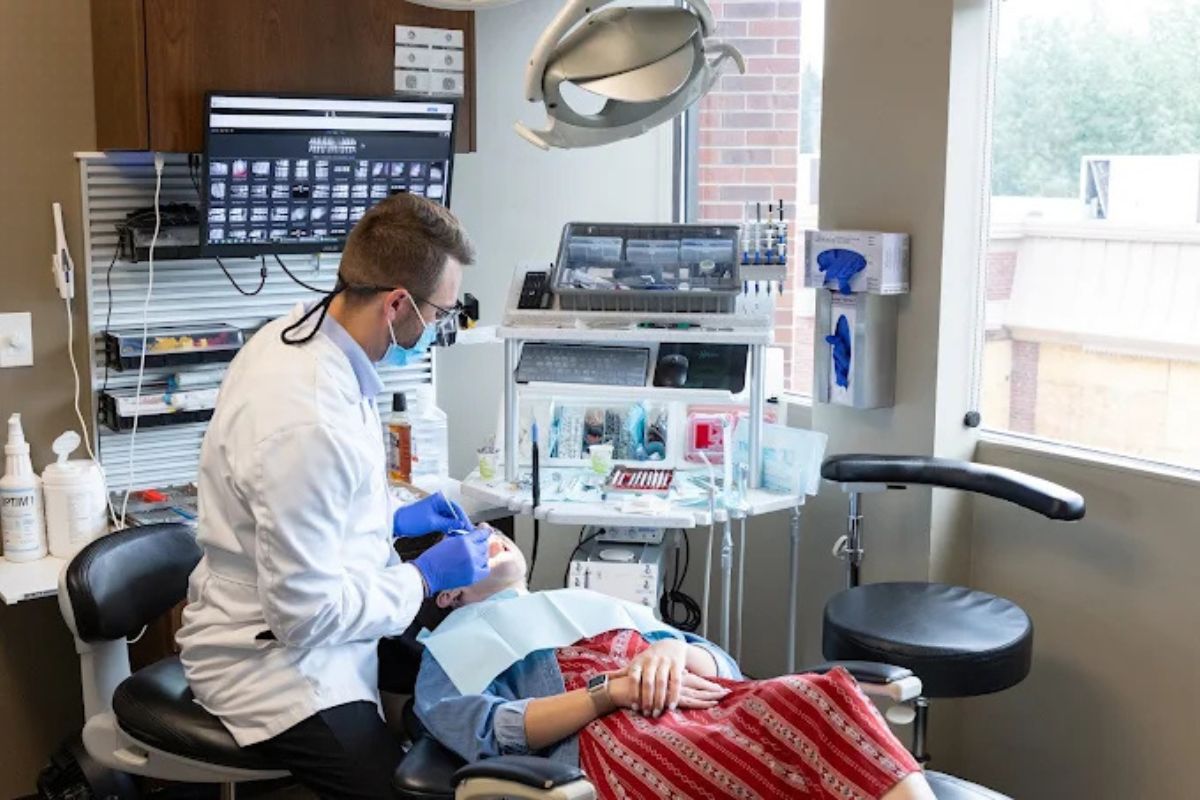
When you arrive at your dental clinic, your dentist will begin with a detailed oral examination. This helps identify the extent of enamel damage and the best course of treatment.
Typical steps include:
-
Visual and X-ray Examination: To assess decay, thinning enamel, or cracks
-
Discussion of Symptoms: The dentist may ask about pain, sensitivity, and dietary habits
-
Treatment Plan: Based on the severity, your dentist may suggest fluoride treatments, bonding, or veneers.
After the initial check-up, a personalized plan is shared with you. If you are seeing a dentist in Evergreen, they may recommend professional fluoride applications or composite bonding as common solutions.
Common Treatments for Tooth Enamel Repair
Depending on how much damage has occurred, your dentist may recommend one or more of the following treatments:
-
Fluoride Treatment: Strengthens enamel and reduces sensitivity
-
Dental Bonding: A tooth-colored resin is applied to damaged areas for protection and appearance
-
Veneers: Thin porcelain shells that cover the front teeth, offering long-term results
-
Crowns: In cases of severe damage, crowns can cap and protect the tooth
These treatments are usually painless, quick, and require minimal recovery time.
How to Protect Your Enamel After Treatment
Once your tooth enamel repair is complete, your dentist will guide you on how to protect it in the future:
-
Avoid acidic foods and drinks like soda, citrus, and vinegar
-
Use a soft-bristled toothbrush and non-abrasive toothpaste
-
Don’t brush aggressively or right after eating acidic foods
-
Schedule regular cleanings and checkups
Following your dentist’s advice can extend the life of your enamel and maintain a healthy smile.
Conclusion
In summary, visiting a dentist for tooth enamel repair is a proactive step toward maintaining strong and healthy teeth. From diagnosis to treatment, the process is simple, effective, and tailored to your specific needs. If you’re experiencing enamel damage or tooth sensitivity, visit our dental office today for a professional assessment. At Evergreen Dental Group, we are committed to restoring your enamel and your confidence in every smile.


New Patients and Emergency Appointments are Welcome!