Early & Late Hours

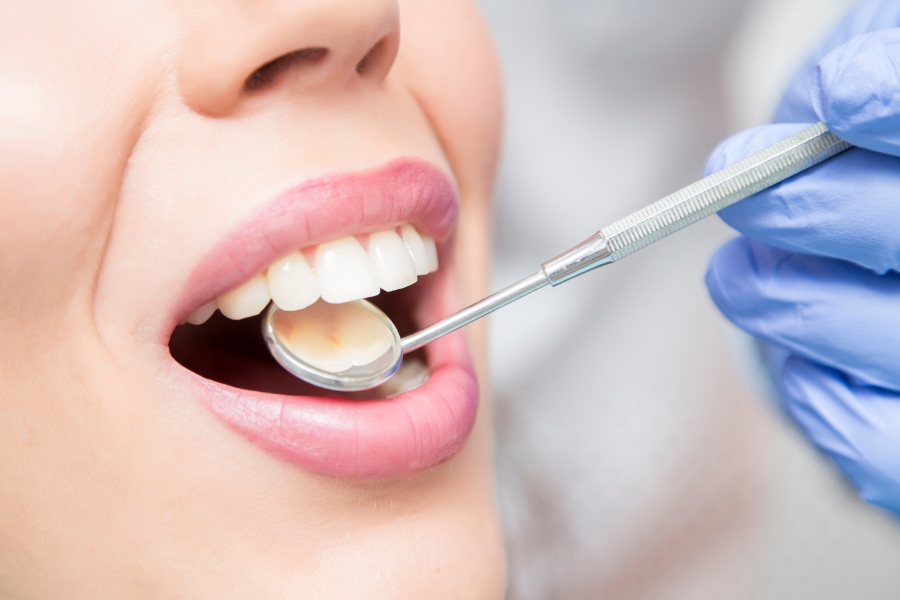
Signs you might have a cavity are not always obvious, especially in the early stages of tooth decay. Many people assume a cavity will cause immediate pain, but that is not always true. In fact, a tooth can develop decay long before you feel any discomfort. At Evergreen Dental Group in Evergreen, we encourage patients to recognize the early warning signs because prompt treatment can help preserve more of the natural tooth. Understanding what to look for can help you protect your smile before a small problem becomes a larger one.
Why Cavities Do Not Always Hurt Right Away
A cavity begins when bacteria in your mouth feed on sugars and starches, producing acids that gradually wear away tooth enamel. During the early stages, the damage usually affects only the outer layer of the tooth. Since enamel does not contain nerves, you may not feel any pain.
As the decay progresses, it reaches deeper layers of the tooth where nerves become involved. At that point, discomfort often develops. However, waiting until you feel pain may allow the cavity to grow larger, making treatment more extensive.
Common Signs You Might Have a Cavity
Learning the early signs you might have a cavity can help you seek treatment before serious damage occurs.
Tooth Sensitivity
One of the first symptoms many people notice is increased sensitivity.
You may feel discomfort when consuming:
- Hot drinks
- Cold beverages
- Sweet foods
- Acidic foods
Although sensitivity does not always indicate decay, it should never be ignored.
If you live in Evergreen, an experienced dentist can evaluate the signs you might have a cavity before they become more serious. At Evergreen Dental Group, we provide comprehensive preventive care and personalized treatment plans to help patients maintain healthy smiles and catch dental problems early.
White, Brown, or Black Spots
Healthy enamel typically appears smooth and consistent in color. As decay develops, small discolorations may appear.
Watch for:
- Chalky white spots
- Light brown areas
- Dark brown or black spots
These changes often indicate that minerals have been lost from the enamel.
Small Holes or Pits
As decay progresses, tiny holes may develop on the surface of the tooth.
Sometimes you can:
- Feel a rough area with your tongue.
- Notice a small indentation.
- See visible damage while brushing.
Even if these areas do not hurt, they deserve professional attention.
Persistent Bad Breath
Bad breath that does not improve after brushing may signal more than poor oral hygiene.
When bacteria collect inside a cavity, they release unpleasant odors. Consequently, persistent bad breath may become one of the signs you might have a cavity.
If you notice ongoing bad breath despite brushing and flossing regularly, schedule a dental evaluation.
Food Frequently Gets Stuck
Do certain foods always become trapped between the same teeth?
This may happen because tooth decay creates rough surfaces or small openings where food particles collect more easily.
Over time, trapped food allows bacteria to multiply, increasing the risk of further decay.
Tooth Sensitivity That Comes and Goes
Sensitivity does not always remain constant.
Some people notice discomfort only when:
- Drinking cold water
- Eating ice cream
- Enjoying hot coffee
- Eating sweets
Even temporary sensitivity can indicate early enamel damage.
Pain When Biting Down
Although many early cavities do not hurt, discomfort while chewing may develop as the decay spreads.
Pain during biting could indicate:
- A deeper cavity
- A cracked tooth
- An old filling that needs replacement
Because several dental conditions share similar symptoms, professional evaluation is important.
Rough Areas on Your Teeth
Run your tongue gently across your teeth.
If one tooth suddenly feels rough while others remain smooth, it could be one of the signs you might have a cavity.
Small changes in tooth texture often appear before significant pain develops.
Why Early Detection Matters
Treating a cavity early offers several important advantages.
Early treatment may help:
- Preserve more natural tooth structure.
- Reduce treatment time.
- Lower treatment costs.
- Prevent infections.
- Avoid root canal therapy.
- Reduce the risk of tooth loss.
Regular dental examinations help identify decay before symptoms become severe.
Who Has a Higher Risk of Cavities?
Anyone can develop cavities, but some people face a greater risk.
Risk factors include:
- Frequent sugary snacks
- Poor oral hygiene
- Dry mouth
- Acid reflux
- Smoking
- Previous history of cavities
- Infrequent dental visits
Understanding your personal risk can help you take preventive steps.
How to Prevent Cavities
Fortunately, many cavities can be prevented through healthy daily habits.
Brush Properly
Brush your teeth twice each day using fluoride toothpaste.
Spend at least two minutes brushing every surface of your teeth.
Floss Every Day
Floss removes plaque from areas your toothbrush cannot reach.
Daily flossing lowers your risk of decay between the teeth.
Limit Sugary Foods
Bacteria thrive on sugar.
Try to reduce:
- Candy
- Soda
- Sweetened coffee drinks
- Sticky snacks
Replacing sugary snacks with healthier alternatives supports better oral health.
Drink Plenty of Water
Water helps rinse away food particles and bacteria while supporting saliva production.
Saliva naturally protects your teeth from acid attacks.
Visit Your Dentist Regularly
Routine dental examinations and professional cleanings remain one of the most effective ways to detect cavities before they become painful.
What Happens During a Dental Examination?
Many people avoid dental visits because they worry about discomfort.
Fortunately, a routine examination is simple and comfortable.
Your dentist may:
- Examine every tooth carefully.
- Check for soft spots.
- Look for discoloration.
- Take digital X-rays if necessary.
- Recommend preventive treatments.
Early diagnosis often allows for smaller, more conservative fillings.
Frequently Asked Questions
Can I have a cavity without pain?
Yes. Many early cavities develop without causing any discomfort because the enamel does not contain nerves.
Do all dark spots mean I have a cavity?
Not always. Some stains are harmless, but only a dental examination can determine the cause.
Can a small cavity heal on its own?
Very early enamel changes may improve with fluoride and excellent oral hygiene. However, once a cavity forms, professional treatment is usually necessary.
How often should I have dental checkups?
Most people benefit from dental examinations every six months, although your dentist may recommend a different schedule based on your needs.
What is the most common early symptom?
Tooth sensitivity, discoloration, and rough areas are among the most common signs you might have a cavity before pain begins.
The signs that you might have a cavity often appear long before tooth pain develops. Paying attention to sensitivity, discoloration, rough spots, bad breath, or food getting trapped can help you identify tooth decay early and avoid more complex treatment in the future. Regular preventive care remains one of the best ways to protect your smile and maintain healthy teeth for years to come. If you have noticed any signs you might have a cavity, schedule an appointment with Evergreen Dental Group in Evergreen for a comprehensive dental examination. To get started, visit our dental office.


New Patients and Emergency Appointments are Welcome!