Early & Late Hours

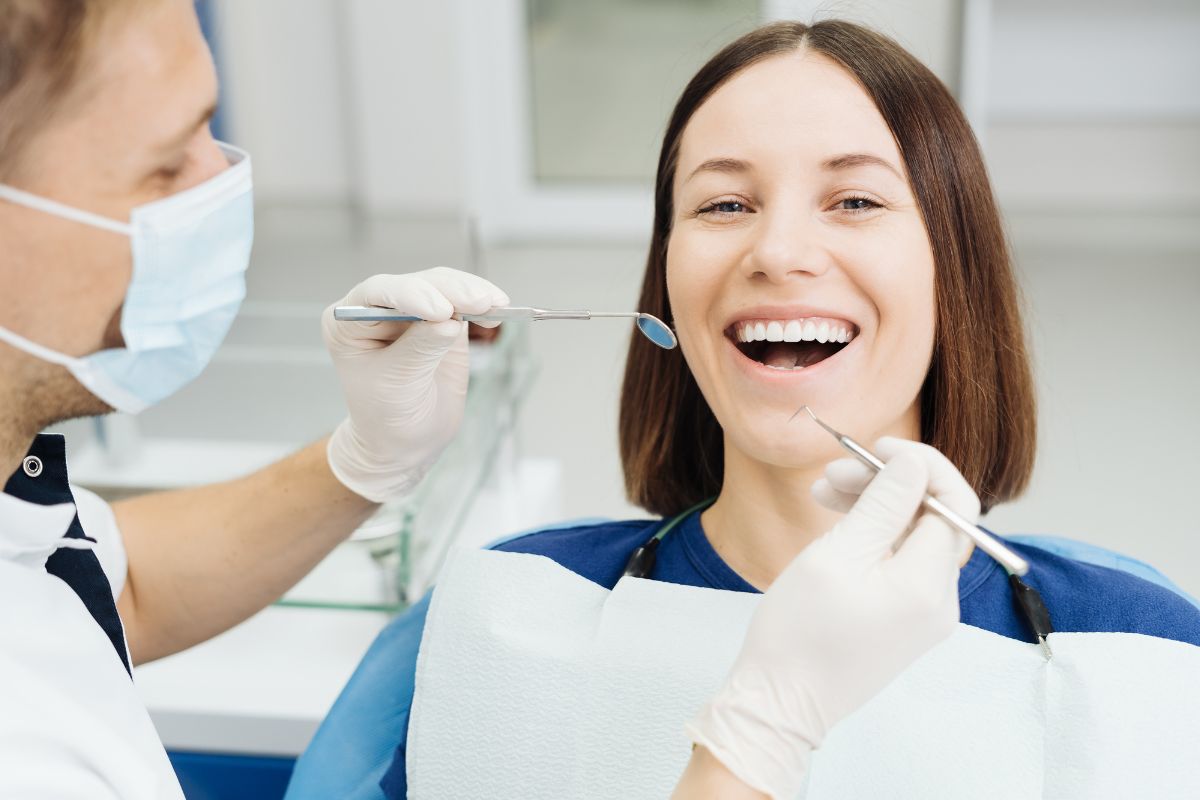
If you want to prevent cavities, understanding how Colorado’s hard water and your daily eating habits affect your teeth is a smart place to start. Many families in Evergreen trust Evergreen Dental Group for preventive dental care because local conditions can influence long-term oral health. While hard water has both benefits and limitations, your daily choices play the biggest role in keeping your smile healthy.
Colorado’s mountain communities often have naturally hard water that contains minerals like calcium and magnesium. These minerals are not harmful. In fact, they may support overall tooth health. However, hard water alone cannot protect your teeth from tooth decay. Sugary snacks, acidic drinks, poor brushing habits, and skipping dental checkups can still increase your risk. By understanding how water, diet, and oral hygiene work together, you can make simple changes that will help keep your smile healthy for years.
Understanding Colorado’s Hard Water and Your Teeth
Hard water contains dissolved minerals that naturally occur as water passes through rocks and soil. In many Colorado communities, including Evergreen, these minerals are present in higher amounts than in other regions.
Although hard water does not replace fluoride toothpaste or professional dental care, its mineral content may contribute to stronger enamel. At the same time, it cannot stop bacteria from producing acids after you eat sugary foods.
To prevent cavities, you should think of hard water as one helpful part of a much bigger picture.
What Hard Water Can Do
Hard water may:
- Provide calcium and magnesium that support healthy teeth
- Help maintain mineral balance in enamel
- Encourage regular hydration when you drink enough water
What Hard Water Cannot Do
Hard water cannot:
- Remove plaque
- Replace brushing and flossing
- Cancel the effects of sugary foods
- Eliminate the need for preventive dental care
Why Diet Has a Bigger Impact Than Hard Water
Even if your tap water contains beneficial minerals, your diet still has the greatest influence on your risk of developing dental problems.
After eating foods rich in sugar or refined carbohydrates, bacteria produce acids that weaken enamel. Repeated acid attacks increase the chance of tooth damage over time.
At Evergreen Dental Group, experienced dentist, Dr. Holly Nartker encourages patients to focus on daily prevention because healthy habits remain the most reliable way to prevent cavities and protect natural teeth for the long term. The practice provides comprehensive preventive care for patients of all ages using modern technology and personalized treatment plans.
Foods That Support Strong Teeth
Choose foods such as:
- Cheese
- Plain yogurt
- Milk
- Leafy green vegetables
- Almonds
- Eggs
- Fish
- Apples
- Celery
- Carrots
These foods supply important nutrients while encouraging saliva production, which naturally helps clean your mouth.
Foods to Limit
Try to reduce:
- Sticky candy
- Soda
- Sports drinks
- Sweetened coffee beverages
- Cookies
- Crackers eaten throughout the day
- Sweet pastries
- Energy drinks
The goal is balance, not perfection. Enjoy treats occasionally instead of constantly snacking throughout the day.
Smart Drinking Habits That Help Prevent Cavities
Many people focus only on food while forgetting that beverages also affect oral health.
Water remains the healthiest choice throughout the day.
Good drinking habits include:
- Drink water after meals.
- Rinse your mouth after sweet drinks.
- Replace sugary beverages with plain water whenever possible.
- Limit frequent sipping on acidic drinks.
- Carry a reusable water bottle while hiking or working outdoors.
These simple habits help prevent cavities by washing away food particles and supporting healthy saliva production.
Does Coffee Affect Your Teeth?
Coffee itself is not the main concern.
Problems usually come from:
- Added sugar
- Flavored syrups
- Frequent sipping for several hours
If you enjoy coffee, drink water afterward and maintain your normal brushing routine.
Daily Oral Hygiene Still Matters Most
No matter where you live, consistent oral hygiene remains your strongest defense.
A healthy routine includes:
- Brush twice every day using fluoride toothpaste.
- Floss once daily.
- Replace your toothbrush every three to four months.
- Clean your tongue.
- Schedule regular dental examinations and professional cleanings.
These habits work together to prevent cavities before they become larger problems.
Why Fluoride Remains Important
Fluoride strengthens enamel by helping replace minerals lost during acid attacks.
Even in areas with hard water, fluoride toothpaste continues to play an important role in protecting your teeth.
Healthy Habits for Families Living in Colorado
Busy schedules sometimes make healthy routines difficult. Fortunately, small daily improvements can make a noticeable difference.
For Children
Parents should:
- Limit sugary snacks between meals.
- Encourage drinking water after sports.
- Help children brush correctly.
- Schedule preventive dental appointments.
For Adults
Adults benefit from:
- Packing healthier snacks for work.
- Drinking water during outdoor activities.
- Avoiding frequent late-night snacking.
- Wearing a mouthguard if grinding occurs.
Consistency matters much more than occasional perfect habits.
Common Questions About Hard Water and Tooth Health
Can hard water replace fluoride?
No. Hard water contains beneficial minerals, but fluoride provides a unique protection that helps strengthen enamel against acid damage.
Should I drink bottled water instead?
Many bottled waters contain fewer natural minerals than local tap water. If you choose bottled water, make sure your overall oral care routine remains strong.
Does hard water stain teeth?
Mineral buildup may contribute to surface staining over time, but professional cleanings can safely remove many external stains.
Is diet or water more important?
Diet has the greatest impact. Limiting sugar, drinking water regularly, and maintaining good oral hygiene together offer the best protection.
When Professional Preventive Care Makes the Difference
Home care provides an excellent foundation, but professional preventive dentistry helps detect small concerns before they become expensive treatments.
Regular examinations allow your dentist to:
- Identify early enamel changes
- Remove hardened plaque
- Monitor gum health
- Recommend personalized prevention strategies
- Detect concerns before discomfort develops
The experienced team at Evergreen Dental Group, including Dr. Holly Nartker and other highly trained dentists, emphasizes preventive care for patients of all ages using advanced technology and personalized treatment planning.
Colorado’s hard water can provide helpful minerals, but it cannot replace healthy daily habits. The best way to prevent cavities is by combining a balanced diet, regular hydration, fluoride toothpaste, consistent brushing and flossing, and routine preventive dental care. These simple steps work together to protect your teeth, reduce your risk of future dental problems, and keep your smile healthy for years.
If you would like personalized guidance on protecting your oral health, schedule an appointment at Evergreen Dental Group in Evergreen. Dr. Holly Nartker and the team provide comprehensive preventive dental care tailored to your unique needs, helping you prevent cavities and maintain a healthy smile with confidence.

New Patients and Emergency Appointments are Welcome!