Early & Late Hours

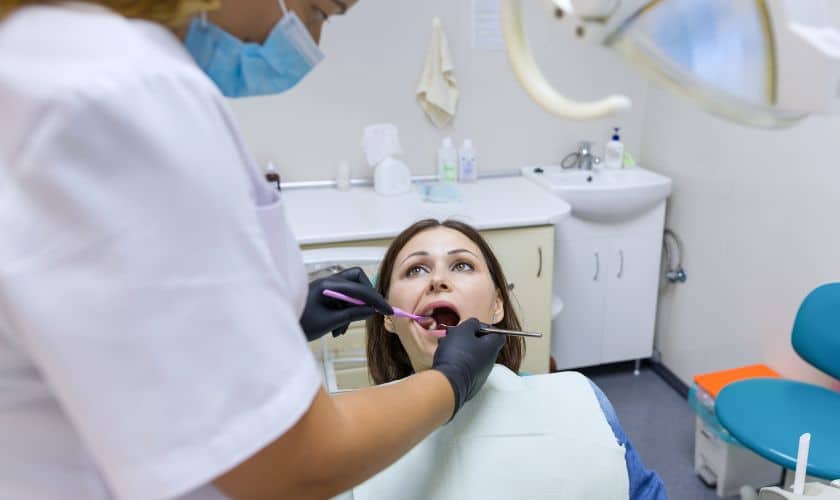
The field of sedation dentistry has come a long way, from being a specialized technique to becoming a generally accepted method that puts the comfort and anxiety-relieving of patients first. The history of sedation dentistry is one of invention, better methods, and improved patient experiences rather than just making dental appointments more bearable. This article examines the development of sedation dentistry, from its inception to the cutting-edge methods used in the present.
1. Early Beginnings and Nitrous Oxide:
The origins of sedation dentistry may be found in the introduction of nitrous oxide, sometimes referred to as laughing gas, in the middle of the 1800s. Nitrous oxide gave rise to a significant advancement in the comfort of dental treatments, even if it was not as effective as certain contemporary sedatives.
2. Introduction of Intravenous (IV) Sedation:
Intravenous sedation was used increasingly often as dentistry advanced in the 20th century. This technique catered to individuals with greater anxiety levels or those having major dental treatments by providing a more regulated and powerful soothing effect.
3. Oral Sedation:
An important step in increasing sedation accessibility was the invention of oral sedation. Patients might induce a calm condition before their consultation by taking a prescription medicine. An equilibrium was achieved between convenience and efficacy with oral sedation.
4. Advancements in Inhalation Sedation:
Although nitrous oxide was still a standard, new gas mixtures were produced to increase the soothing impact of inhalation sedation, also called conscious sedation. This made it possible for patients to feel more relaxed and still be cognizant at the same time.
5. The Role of Technology:
Improvements in safety procedures and monitoring for sedation dentistry emerged with the advent of the digital age. Technology integration enables dentists to carefully regulate doses and monitor vital signs, guaranteeing every patient a customized and safe sedative experience.
6. Development of Sedation Levels:
To accommodate patients with varying degrees of anxiety and procedural needs, sedation dentistry has developed to provide a range of sedative doses. The range allows flexibility in meeting various patient demands, from little sedation (awake and comfortable) to general anesthesia (unconscious).
7. Conscious Sedation:
One of the mainstays of contemporary sedation dentistry is conscious sedation. It enables patients to achieve profound relaxation while staying conscious and receptive. This method is especially helpful for people who have dental anxiety or are receiving more involved medical care.
8. Intranasal Sedation:
Intranasal sedation, which includes giving sedatives via the nose, is a new trend in sedation dentistry. This procedure is desirable for several patient demographics due to its quick start and less invasive nature.
9. The Integration of Sedation in Pediatric Dentistry:
Pediatric children are becoming more frequently treated with sedation dentistry because of the growing recognition of the value of early dental experiences. Children’s dental visits are enjoyable and stress-free using methods like oral sedation and nitrous oxygen.
10. Patient-Centric Approach:
The development of sedation dentistry reflects a move toward a more patient-centric approach. Dentists now value learning about each patient’s unique needs, adjusting sedative regimens accordingly, and encouraging open conversation to ease anxieties.
11. Sedation for Special Needs Patients:
Sedation in dentistry for individuals with specific needs is another noteworthy advancement. This all-inclusive strategy guarantees that people with a range of requirements get the dental treatment they need in a welcoming setting.
12. Technological Innovations in Administration:
Technological developments have brought changes in the administration of sedatives; for example, computer-controlled delivery systems offer exact and regulated doses of drowsiness. This technological integration improves the overall sedation experience and safety.
13. Holistic Considerations in Sedation Dentistry:
In contemporary sedation dentistry, holistic factors are just as important as pharmaceutical ones. To improve the general patient experience, this entails establishing a serene atmosphere at the dentist’s office, using relaxation techniques, and implementing mindfulness exercises.
14. Educational Initiatives for Dental Professionals:
Comprehensive education for dental practitioners is becoming increasingly necessary as sedation dentistry advances. Dentists are guaranteed to be current on the newest sedation methods, safety precautions, and patient care approaches through training programs and ongoing education activities.
15. The Future of Sedation Dentistry:
Future developments in sedation dentistry point to ever more specialized and focused methods. To further advance the discipline, ongoing research intends to produce sedatives with fewer adverse effects, shorter recovery durations, and enhanced predictability.
Conclusion:


New Patients and Emergency Appointments are Welcome!