Early & Late Hours

Losing a tooth can affect how you eat, speak, and feel about your smile. However, you may still have options even if several years have passed. Dental implants years after tooth loss may be possible, depending on your jawbone, gum health, and overall health. At Evergreen Dental Group in Evergreen, Colorado, patients can explore tooth replacement options based on their individual needs.
If you have lived with a missing tooth for a long time, you may wonder whether treatment can still work. Fortunately, the number of years since tooth loss does not automatically disqualify you from receiving an implant. A dental examination can help determine whether your mouth is ready for treatment or needs additional care first.
Can You Get Dental Implants Years After Losing a Tooth?
Yes, many people can receive dental implants even years after losing a tooth. The main concern is not simply how long the tooth has been missing. Instead, your dentist needs to assess the available jawbone, the condition of your gums, and any other factors that could affect healing.
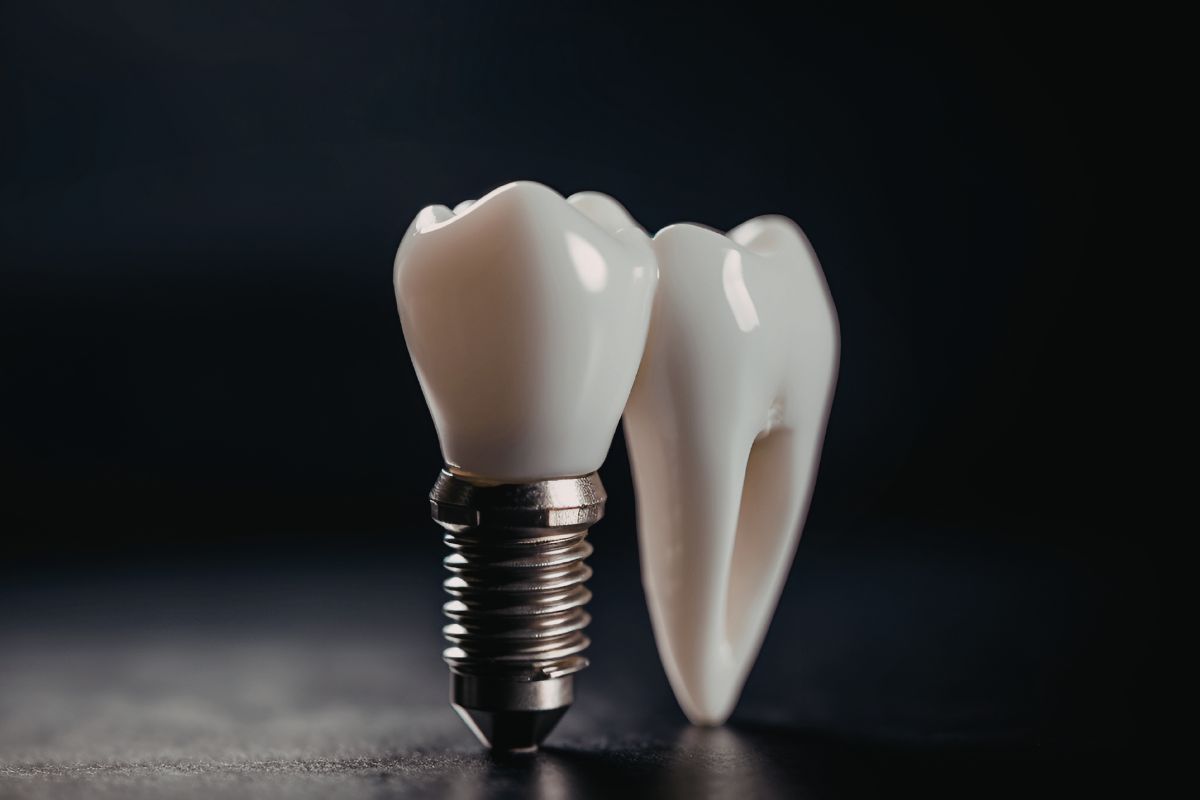
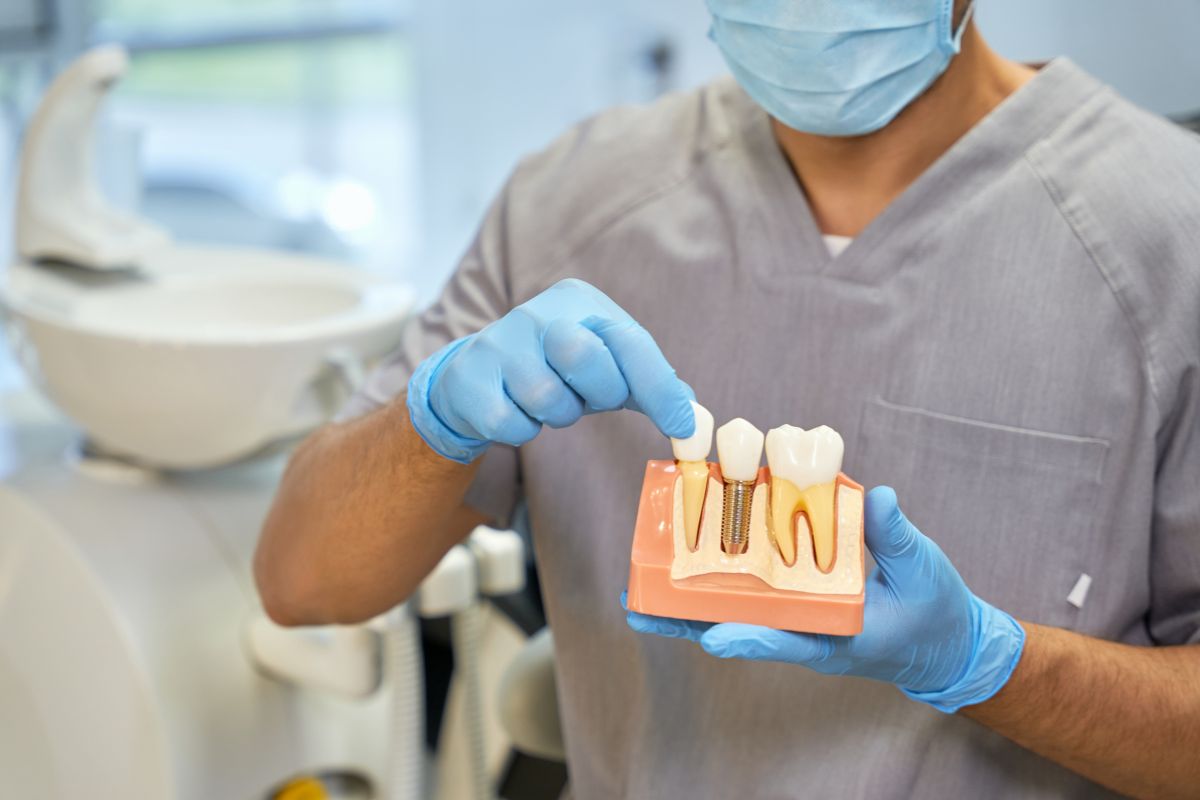
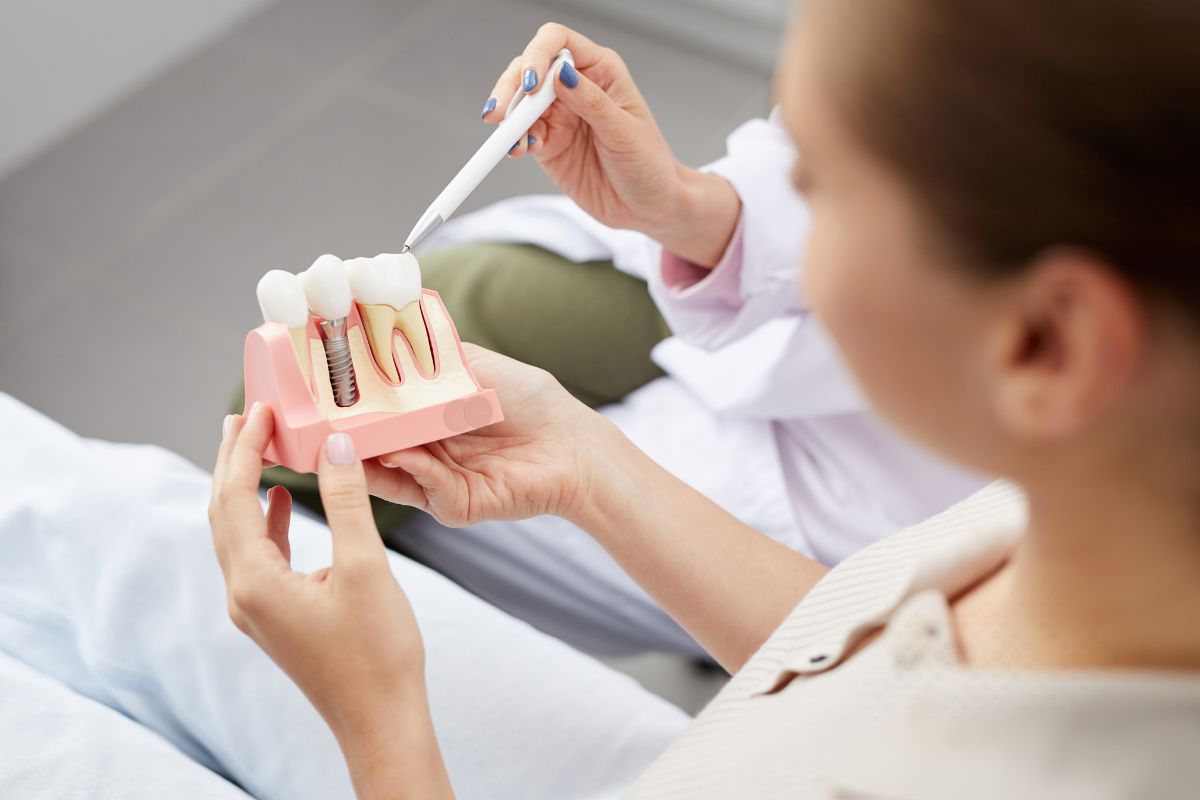
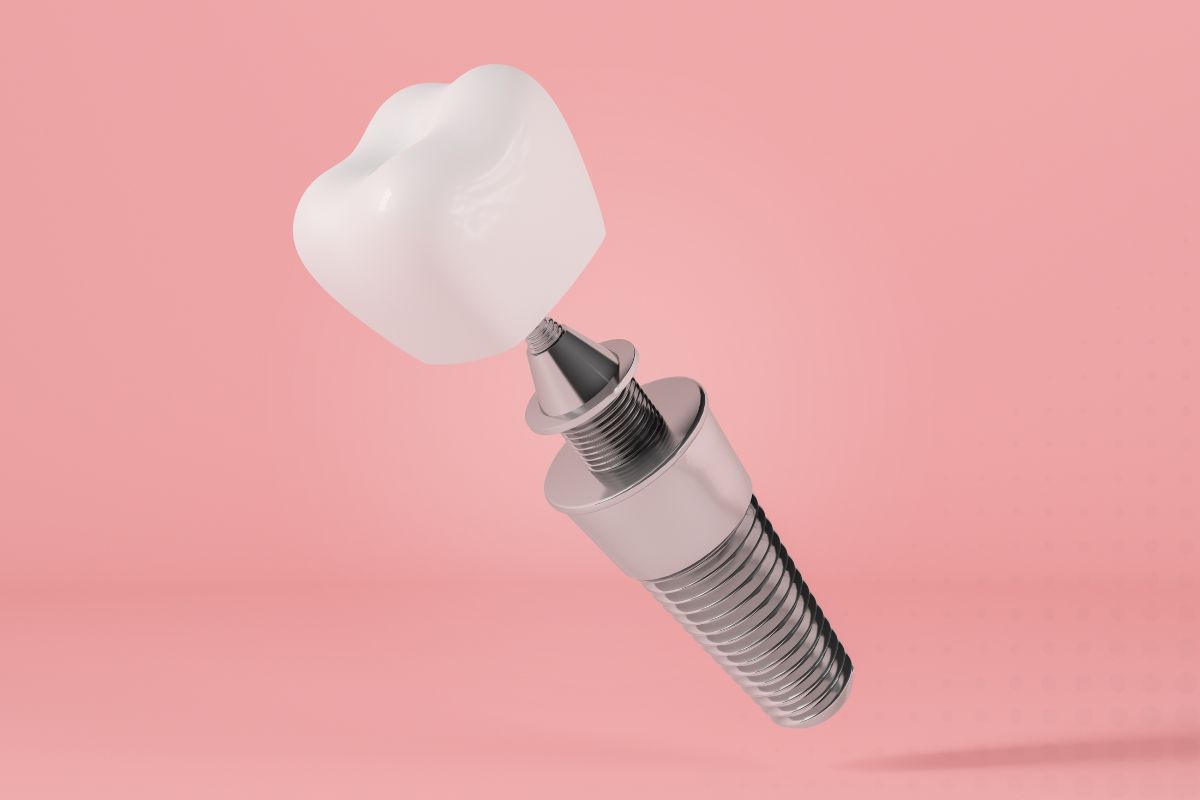
A dental implant is a small post that sits in the jawbone and acts as an artificial tooth root. After the bone bonds with the implant, the dentist can attach a crown, bridge, or denture. As a result, implants can replace missing teeth while providing stable support for everyday activities.
If you have waited several years, the team at Evergreen Dental Group can evaluate your tooth replacement needs and discuss whether implants suit your situation. Your dentist will also explain any preparation you may need before treatment.
Why does the waiting period matter? Natural tooth roots stimulate the jawbone when you chew. After tooth loss, the body may gradually break down some of the bone in that area because the root no longer provides stimulation.
However, bone changes vary from person to person. Some patients retain enough bone for implant placement, while others may need additional treatment. Therefore, an examination offers a more reliable answer than the length of time alone.
How Does Long-Term Tooth Loss Affect Your Jawbone?
Your jawbone can change after you lose a tooth. Because the missing root no longer stimulates the surrounding bone, the body may gradually reduce the amount of bone tissue in that area.
The extent of this change depends on several factors. For example, the location of the missing tooth, your gum health, and your individual healing patterns can influence the amount of bone that remains.
Signs that your jawbone may have changed
Bone loss does not always cause visible symptoms. Nevertheless, your dentist can assess the area and identify changes that could affect implant placement.
Possible signs and findings include:
- Reduced bone height or width: The ridge beneath the missing tooth may become thinner or shorter.
- Changes in nearby teeth: Neighboring teeth may shift or tilt toward the open space.
- Bite changes: Your upper and lower teeth may no longer meet as they did before.
- Changes in gum shape: The gum ridge may appear different as the supporting bone changes.
- Reduced support for a restoration: The available bone may not provide enough stability for an implant without preparation.
These changes do not automatically mean that implants are impossible. Instead, they help your dentist plan treatment safely.
Can bone grafting help?
Bone grafting may help patients who do not have enough bone to support an implant. During this procedure, a dentist adds bone material to an area that needs more volume. The area then heals over time.
However, not everyone needs a bone graft. Your dentist may use dental imaging to assess the available bone and determine whether grafting or another procedure would improve the chances of successful treatment.
What Determines Whether You Qualify for Dental Implants?
The time since tooth loss is only one part of the assessment. Your dentist must also consider your oral health, medical history, and daily habits.
Jawbone condition
First, the implant needs enough healthy bone for stability. If the area has lost too much bone, grafting may help create a more suitable foundation.
Your dentist will assess the location and amount of available bone before recommending a treatment plan. In some cases, the existing bone can support an implant without additional procedures.
Gum health
Healthy gums help protect the tissues around an implant. If you have active gum disease, your dentist may recommend treating it before implant placement.
This step matters because inflammation and infection can affect the tissues that support teeth and implants. Regular cleaning and good oral hygiene also help maintain the results after treatment.
General health
Certain health conditions and medications can affect healing. For example, poorly controlled diabetes may increase the risk of complications. Smoking can also interfere with healing and increase the risk of implant problems.
Tell your dentist about your medical history, medications, and tobacco use. This information helps the team at Evergreen Dental Group evaluate your needs and discuss any precautions.
Daily oral hygiene
Implants need regular care, just like natural teeth. Brush twice daily, clean between your teeth, and attend routine dental visits.
Your dentist may also discuss teeth grinding or clenching. These habits can place extra pressure on an implant and its restoration, so managing them may help protect your investment.
What Happens During the Dental Implant Process?
Treatment begins with an assessment rather than surgery. This allows your dentist to understand your needs and identify any issues that could affect the result.
Step 1: Examination and treatment planning
Your dentist will examine your teeth, gums, and bite. Dental imaging can help assess bone volume and identify important structures near the proposed implant site.
Based on these findings, your dentist can explain whether you appear to be a suitable candidate. You will also learn whether you need preparatory treatment and how long the process may take.
Step 2: Preparatory treatment, if needed
Some patients need gum treatment or bone grafting before implant placement. Others can proceed without these additional steps.
The timeline depends on the treatment required and how your body heals. For example, a bone graft may need time to heal before the dentist places the implant.
Step 3: Implant placement
During implant surgery, your dentist places the implant post in the jawbone. The dental team uses appropriate anesthesia to help manage discomfort during the procedure.
After placement, the bone needs time to bond with the implant. This process, called osseointegration, often takes several months, although the exact timeline varies.
Step 4: Final restoration
Once the implant has healed sufficiently, your dentist attaches the planned restoration. A single implant usually supports a crown, while several missing teeth may require a bridge or implant-supported denture.
Your dentist will explain how to care for the restoration and when to return for follow-up visits. These visits help monitor the implant and surrounding tissues.
What Are Your Options If You Have Been Missing Teeth for Years?
Dental implants are not the only way to replace missing teeth. Your best option depends on how many teeth you have lost, the condition of your remaining teeth, and your treatment goals.
Common options include:
- Single dental implant: Replaces one missing tooth without relying on neighboring teeth for support.
- Implant-supported bridge: Replaces several missing teeth in a row using implants for support.
- Implant-supported denture: Provides added stability for people missing many or all of their teeth.
- Traditional dental bridge: Uses supporting teeth or implants to hold replacement teeth in place.
- Removable partial or full denture: Offers a removable option for replacing several or all missing teeth.
Each treatment has different benefits, costs, and maintenance needs. Therefore, discuss the options with your dentist before making a decision.
The team at Evergreen Dental Group can help you understand which solutions may fit your oral health needs and long-term goals.
Why Should You Avoid Delaying an Assessment?
Living with a missing tooth may seem manageable, especially if you have adapted to chewing on one side. However, leaving a gap untreated can allow neighboring teeth to shift. It may also affect your bite and make some areas harder to clean.
Moreover, further bone changes may affect your future treatment options. Although implants may remain possible, additional procedures could become necessary.
An assessment helps you understand your current condition, even if you are not ready to begin treatment immediately. You can review the available options, expected timeline, and costs before deciding what works for you.
It is often possible to replace a tooth years after losing it. Your jawbone condition, gum health, general health, and oral hygiene habits all influence whether dental implants are suitable. Even if bone loss has occurred, preparatory treatment may help make implant placement possible.
If you have lived with a missing tooth for years, request an appointment with Evergreen Dental Group in Evergreen, Colorado to discuss your tooth replacement options and determine the next steps for your smile.
New Patients and Emergency Appointments are Welcome!