Early & Late Hours

Dental Implants for Accident and Trauma Cases: Complete Guide to Restoring Your Smile
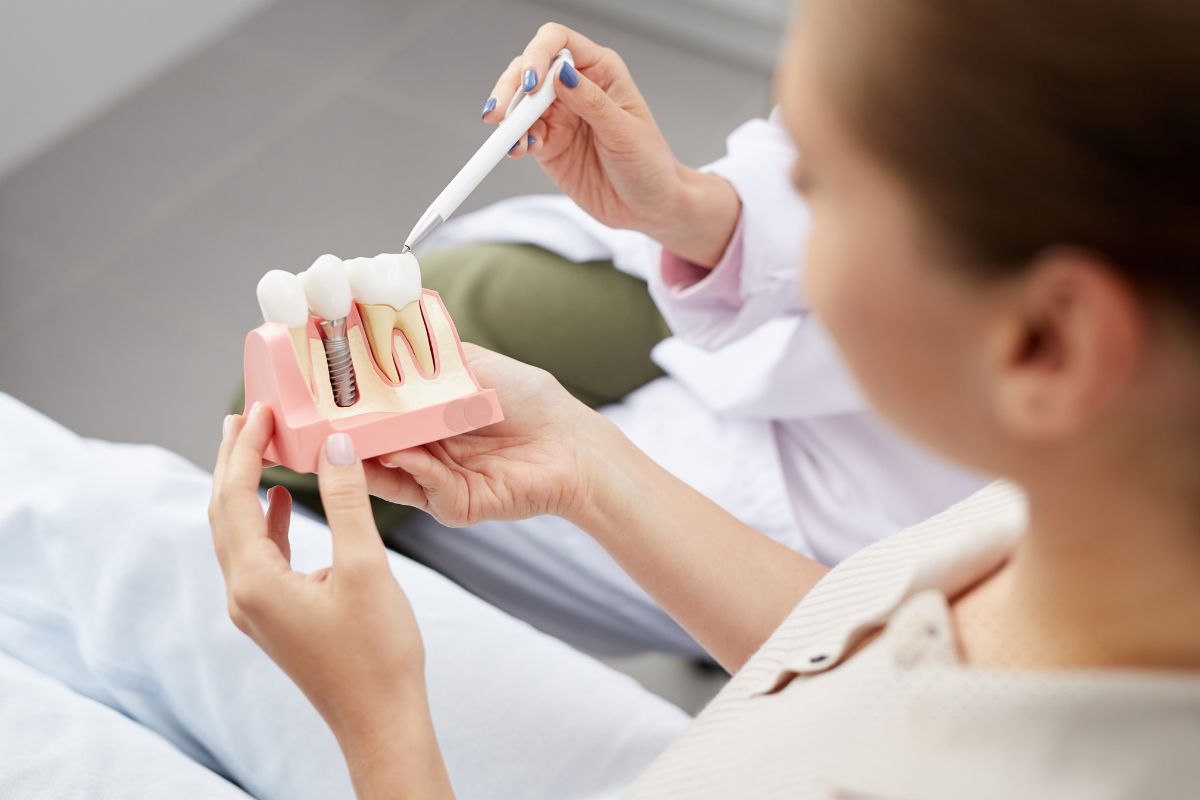
Accidents can happen without warning, and the damage often goes beyond cuts or broken bones. Many people lose one or more teeth after sports injuries, car accidents, falls, or other facial trauma. Thankfully, dental implants for accident and trauma cases offer a long term solution that restores both appearance and function. If you live near Evergreen and want reliable care from a trusted local team like Evergreen Dental Group, understanding your options can help you make the right decision for your smile.
Understanding Tooth Loss After an Accident
Dental injuries can affect people of all ages. In many cases, the impact damages the tooth beyond repair. Sometimes, the entire tooth gets knocked out. When this happens, fast treatment becomes very important.
Common causes of dental trauma include:
- Sports injuries
- Car accidents
- Bicycle crashes
- Slips and falls
- Workplace injuries
- Physical impact during daily activities
Losing a tooth does not only affect your smile. It can also impact:
- Speech clarity
- Chewing ability
- Jawbone health
- Facial appearance
- Self confidence
Because of these issues, many patients choose permanent tooth replacement options instead of removable solutions.
Why Immediate Dental Care Matters After Trauma
Quick treatment can improve the chances of saving the damaged tooth and prevent further complications. After an accident, a dentist will examine the teeth, gums, jawbone, and surrounding tissues.
Signs you should seek immediate care include:
- Severe tooth pain
- Bleeding around the gums
- Loose teeth
- Missing teeth
- Swelling in the mouth or face
- Difficulty chewing
- Jaw discomfort
In some situations, emergency treatment stabilizes the area before long-term restoration begins. Once healing starts, your dentist can determine whether implant treatment is the best choice.
At Evergreen Dental Group, we often help patients who need advanced smile restorations after unexpected injuries. Our team understands that every trauma case is unique, so we focus on personalized treatment plans that support long-term oral health and confidence.
What Makes Implant Treatment a Strong Solution?
Many patients choose implants because they closely resemble natural teeth in both appearance and performance. Unlike removable dentures, they stay fixed in place and support normal daily activities.
Benefits include:
- Natural looking results
- Strong biting power
- Improved comfort
- Long lasting durability
- Better jawbone support
- Stable speech and chewing
- Reduced shifting compared to removable options
Another important advantage involves bone preservation. After tooth loss, the jawbone can weaken over time. Implant posts help stimulate the bone and maintain facial structure.
How the Implant Process Works After Dental Trauma
Every patient heals differently after an accident. Therefore, the treatment process depends on the severity of the injury and the condition of the jawbone.
Step 1: Comprehensive Evaluation
Your dentist will begin with:
- Digital X-rays
- Oral examination
- Bone assessment
- Medical history review
- Discuss treatment goals
This step helps determine whether additional procedures are necessary before restoration begins.
Step 2: Tooth Removal or Site Preparation
Sometimes, damaged teeth remain in the mouth but cannot be saved. In these cases, the dentist carefully removes them to prepare the area for healing.
If bone damage exists, the patient may require grafting before implant placement.
Step 3: Bone Grafting if Needed
Trauma often causes bone loss. Bone grafting strengthens the jaw and creates a stable foundation for the implant post.
Although this may sound intimidating, modern dental technology makes the process much smoother and more comfortable than many people expect.
Step 4: Implant Placement
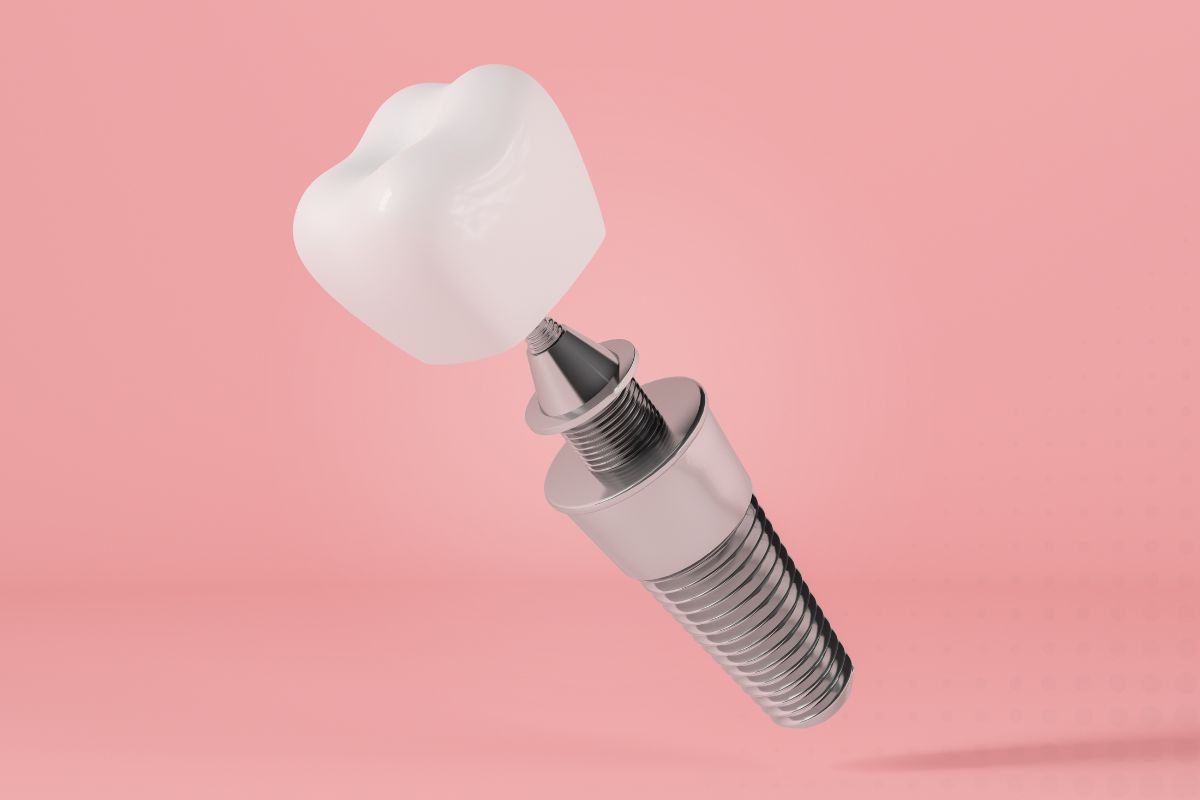
During this phase, the dentist places a small titanium post into the jawbone. Over time, the bone naturally bonds with the post through a process called osseointegration.
This creates a secure foundation for the replacement tooth.
Step 5: Final Restoration
Once healing is complete, the dentist attaches a custom crown that matches your surrounding teeth. The final result looks natural and functions like a real tooth.
Are You a Good Candidate for Implant Treatment?
Many people qualify for implant treatment after an accident. However, certain factors affect eligibility.
Good candidates often have:
- Healthy gums
- Sufficient jawbone density
- Good overall health
- A commitment to oral hygiene
- Fully healed injury sites
Even if bone loss occurs after trauma, modern procedures can often successfully rebuild the area.
Your dentist will create a treatment plan based on your needs, recovery timeline, and smile goals.
Recovery Tips After Implant Surgery
Healing plays a major role in treatment success. Following post-treatment instructions carefully can improve comfort and speed recovery.
Helpful recovery tips include:
- Eat soft foods during early healing
- Avoid smoking
- Keep the mouth clean
- Attend follow up visits
- Avoid chewing hard foods near the treatment area
- Use medications exactly as directed
Most patients return to normal routines within a few days, although complete healing takes longer.
Emotional Benefits of Restoring Your Smile
Physical healing matters, but emotional recovery matters too. Many accident victims feel embarrassed or uncomfortable after losing teeth.
Smile restoration can improve:
- Self confidence
- Social comfort
- Professional appearance
- Daily interactions
- Overall quality of life
Patients often say they feel more like themselves again after completing treatment.
How Long Do Implant Restorations Last?
With proper care, implant restorations can last for many years. In fact, many patients enjoy long-term success for decades.
Good oral habits help protect your investment, including:
- Brushing twice daily
- Flossing regularly
- Routine dental visits
- Avoiding tobacco products
- Wearing mouthguards during sports
Consistent care supports both the restoration and surrounding oral tissues.
Preventing Future Dental Injuries
Although accidents cannot always be avoided, certain precautions can reduce the risk of serious dental trauma.
Protective habits include:
- Wearing sports mouthguards
- Using seat belts
- Avoiding chewing on ice or hard objects
- Addressing bite problems early
- Using proper safety equipment at work
Small preventive steps can protect your smile from future damage.
Recovering from a dental injury can feel overwhelming, but modern restorative solutions make it possible to rebuild both your smile and your confidence. From replacing missing teeth to supporting long-term oral health, dental implants for accident and trauma cases provide a reliable and natural looking solution for many patients.
If you are dealing with tooth loss after an injury and want personalized care near Evergreen, Evergreen Dental Group is here to help. Our experienced team focuses on comfortable, patient-centered treatment designed to restore function and appearance. Visit our dental office today to schedule your appointment and learn how we can help you regain a healthy, confident smile.
Related Articles
New Patients and Emergency Appointments are Welcome!