Early & Late Hours

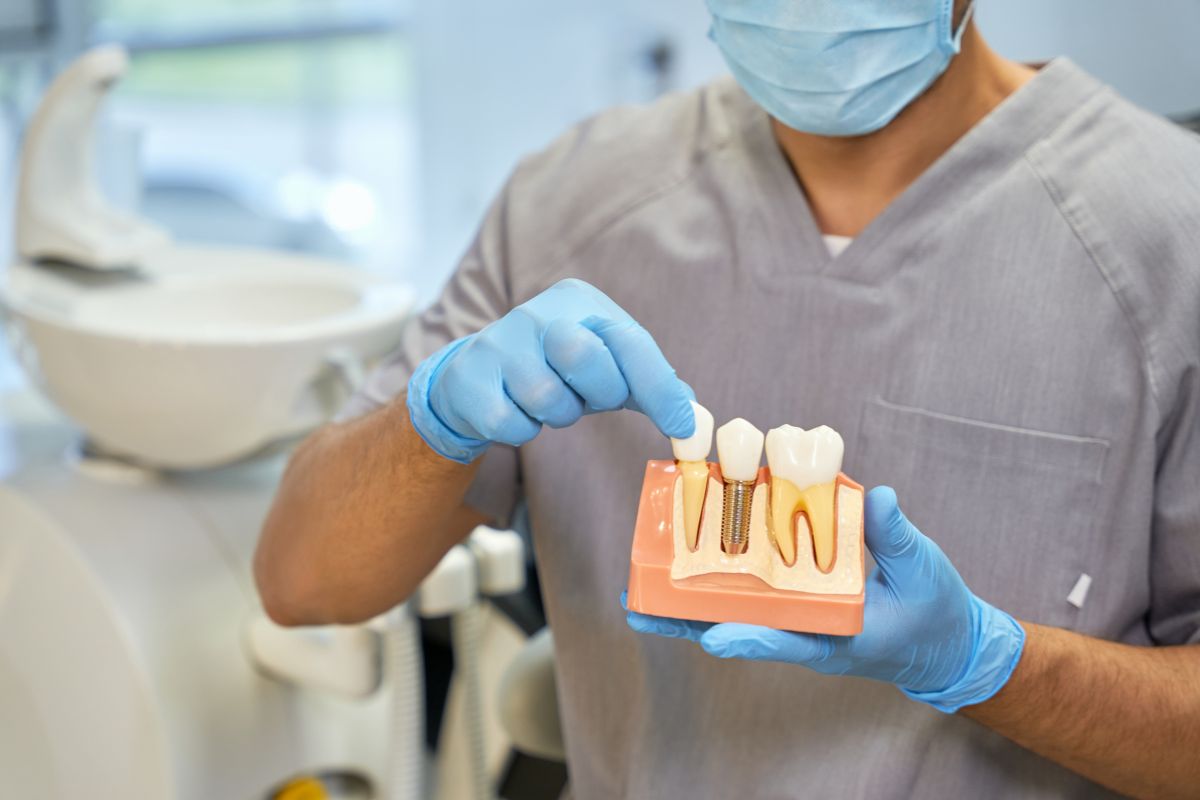
Biting into your favorite meal should feel easy. So when you notice implant discomfort chewing brings on, it can be alarming, especially if you spent time and money getting that implant placed in the first place. Here at Evergreen Dental Group in Evergreen, Colorado, patients often ask the same question after a bite of something crunchy: is this normal, or is something wrong?
The honest answer is that it depends on the type of discomfort, when it started, and how long it lasts. Let’s walk through the most common causes, so you know what to watch for and when picking up the phone is the smarter move.
Why New Implants Sometimes Feel Sensitive
If your implant is fairly new, mild soreness while chewing isn’t unusual. The bone and gum tissue around the implant are still healing, and that process can take several months to fully settle.
During this stage, you might notice:
- Light tenderness when pressure is applied directly on the implant
- Slight swelling near the gum line that fades within a few days
- Sensitivity to very hot or cold foods
This kind of discomfort usually improves steadily as your dental implants finish settling into the bone. If it’s getting worse instead of better, that’s your first clue something deserves a closer look.
When the Bite Itself Is the Problem
Sometimes the implant heals just fine, but the crown sitting on top isn’t quite aligned with your natural bite. Even a tiny high spot can concentrate pressure in one place every time you chew, which leads to soreness that shows up mainly during meals and eases up otherwise.
This is a simple fix in most cases. A quick adjustment at Evergreen Dental Group can smooth out the bite and stop the discomfort almost immediately.
Could It Be Something Below the Surface?
Not every issue shows up where you can see it. A few conditions develop quietly around or beneath the implant and only announce themselves through chewing pain.
Peri-implantitis is one example. It’s an infection in the gum and bone tissue surrounding the implant, similar in some ways to gum disease around a natural tooth. Left untreated, it can loosen the implant over time.
Bone loss around the implant can also change how pressure is distributed when you bite down, creating discomfort that feels different from ordinary soreness. It often builds gradually rather than appearing overnight.
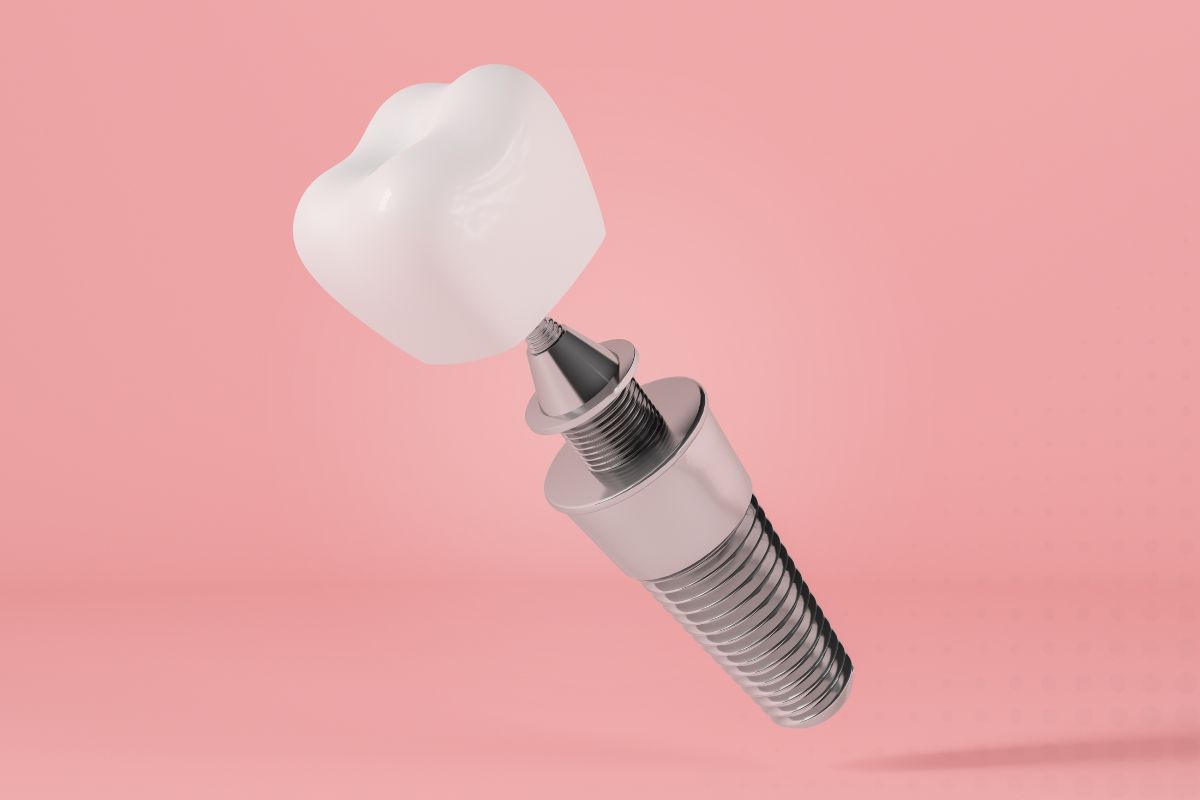
A loose abutment or crown is another common culprit. If the connecting piece between the implant post and the visible crown isn’t fully secure, you may feel a slight shift or ache with each bite.
Signs You Shouldn’t Ignore
Most people can tell the difference between “new implant, still settling in” discomfort and something that needs attention. Here are the signals worth taking seriously:
- Pain that’s sharp, throbbing, or getting worse rather than better
- Swelling, redness, or a bad taste near the implant site
- Visible movement or looseness of the crown
- Discomfort that lingers for more than a week after the implant has otherwise healed
- Pain that started suddenly, weeks or months after the implant felt completely fine
If any of these sound familiar, it’s time to reach out rather than wait it out.
What Happens When You Call the Dentist
Calling early almost always makes treatment simpler. A dental team can typically identify the cause with a visual check and, if needed, a digital X-ray to see what’s happening beneath the gum line. From there, options range from a minor bite adjustment to targeted treatment for infection or bone concerns.
Waiting, on the other hand, tends to let small problems grow. What could have been a five-minute fix sometimes turns into a longer treatment plan if the underlying cause goes unaddressed for too long.
A Few Everyday Habits That Help
While you wait for or between appointments, a couple of simple habits can ease pressure on a sore implant:
- Stick to softer foods for a few days if chewing hurts
- Avoid biting directly on the implant side when possible
- Keep the area clean with gentle brushing and flossing
- Skip very hard, sticky, or crunchy foods until the discomfort resolves
These steps won’t fix an underlying issue on their own, but they can make daily eating more comfortable while you sort out next steps.
Final Thoughts
Implant discomfort while chewing isn’t something you have to just live with. Sometimes it’s a normal part of healing. Other times, it’s your body flagging a bite adjustment, a loose part, or an early infection that’s much easier to treat when it’s caught early. The safest approach is simple: if soreness lingers, worsens, or comes with swelling, don’t wait for it to sort itself out.
Ready to get answers? Schedule a visit with our team at Evergreen Dental Group’s office in Evergreen, CO, and let’s find out what’s really going on with your dental implants and get you back to comfortable, confident chewing. Request an appointment today.
New Patients and Emergency Appointments are Welcome!