Early & Late Hours


Cracked tooth warning signs often appear suddenly, yet many people ignore them until the problem becomes serious. A small crack may not seem urgent at first, but it can quickly lead to pain, infection, or even tooth loss if left untreated. Living with a busy routine, you might delay a dental visit, hoping the discomfort will go away on its own. However, your teeth rarely heal without proper care.
At Evergreen Dental Group, we often see patients who wish they had acted sooner. By understanding the early symptoms, you can protect your smile and avoid costly treatments later.
What Is a Cracked Tooth?
A cracked tooth refers to a break or fracture in the structure of the tooth. This crack can range from a tiny hairline fracture to a deep split that reaches the root.
Unlike cavities, cracks may not always be visible. Still, they can affect how your teeth function and feel.
Common Types of Tooth Cracks
- Craze lines: Tiny surface cracks that usually do not cause pain
- Fractured cusp: A piece of the chewing surface breaks off
- Split tooth: A deeper crack that divides the tooth
- Vertical root fracture: Starts in the root and moves upward
Each type requires a different approach, so early diagnosis matters.
Why You Should Never Ignore Cracks
Ignoring a cracked tooth can lead to serious complications. At first, you may only feel mild discomfort. However, the crack allows bacteria to enter deeper layers of the tooth.
As a result, this can cause:
- Infection inside the tooth
- Gum swelling and tenderness
- Increased sensitivity
- Tooth loss in severe cases
Therefore, paying attention to early warning signs can save your natural tooth.
Cracked Tooth Warning Signs You Should Watch For
Recognizing the warning signs early can help you take action before the damage worsens. Here are the most common symptoms:
1. Sharp Pain When Biting
You may feel a sudden, sharp pain when you bite down. Interestingly, the pain often disappears when you release the pressure.
2. Sensitivity to Hot and Cold
Does your tooth react strongly to cold water or hot drinks? This sensitivity may indicate a crack exposing the inner layer.
3. Intermittent Pain
Pain that comes and goes can confuse many people. However, this is a classic sign of a hidden crack.
4. Swollen or Tender Gums
Sometimes, the gums around the affected tooth become swollen or sore. This can signal infection or irritation.
5. Difficulty Chewing
You might avoid chewing on one side because of discomfort. This habit often develops without you realizing it.
When to See a Dentist Immediately
Some cracked tooth warning signs require urgent care. Do not wait if you notice:
- Severe or constant pain
- Visible damage to the tooth
- Swelling that does not improve
- Pain while releasing the bite
At this stage, delaying treatment can worsen the condition.
Right after noticing these symptoms, many patients reach out to our Evergreen dentist at Evergreen Dental Group, where early care helps prevent further damage and restores comfort faster.
What Causes a Tooth to Crack?
Understanding the causes can help you prevent future problems. A cracked tooth can develop due to:
1. Biting Hard Foods
Chewing on ice, hard candy, or nuts can put excessive pressure on your teeth.
2. Teeth Grinding (Bruxism)
Grinding your teeth, especially at night, weakens enamel over time.
3. Sudden Temperature Changes
Switching quickly between hot and cold foods can stress the tooth structure.
4. Injury or Trauma
Sports injuries or accidents can lead to cracks instantly.
5. Large Fillings
Teeth with large fillings often become weaker and more prone to cracking.
How Dentists Diagnose a Cracked Tooth
Diagnosing a cracked tooth requires careful evaluation. Dentists use several methods:
- Visual examination: Checking for visible cracks
- Bite test: Identifying pain when pressure is applied
- X-rays: Detecting deeper damage
- Special dyes: Highlighting hidden fractures
Because cracks can be difficult to see, professional diagnosis is essential.
Treatment Options for a Cracked Tooth
Treatment depends on the severity of the crack. Your dentist may recommend:
1. Dental Bonding
For minor cracks, bonding material seals and protects the tooth.
2. Dental Crown
A crown covers the tooth completely, restoring strength and function.
3. Root Canal
If the pulp becomes infected, a root canal removes the infection and saves the tooth.
4. Tooth Extraction
In severe cases, the tooth may need removal to prevent further complications.
Early detection often allows for simpler and less invasive treatments.
How to Prevent Tooth Cracks
Prevention always works better than treatment. You can reduce your risk by:
- Avoiding chewing on hard objects
- Wearing a mouthguard during sports
- Managing teeth grinding with a night guard
- Maintain regular dental checkups
- Eat a balanced diet that supports strong enamel
Small daily habits can make a big difference over time.
Protect Your Smile Before It’s Too Late
Ignoring the warning signs of a cracked tooth can lead to serious dental issues, but early action can protect your smile and save you from pain. From sensitivity to sharp biting discomfort, your teeth often give clear signals when something is wrong. Listening to these signs allows you to act quickly and avoid complications.
If you are experiencing any of these symptoms, do not wait. Visit our dental office at Evergreen Dental Group to get the care you need. Our team will assess your condition and guide you toward the best treatment—schedule your appointment today to keep your smile strong and healthy.


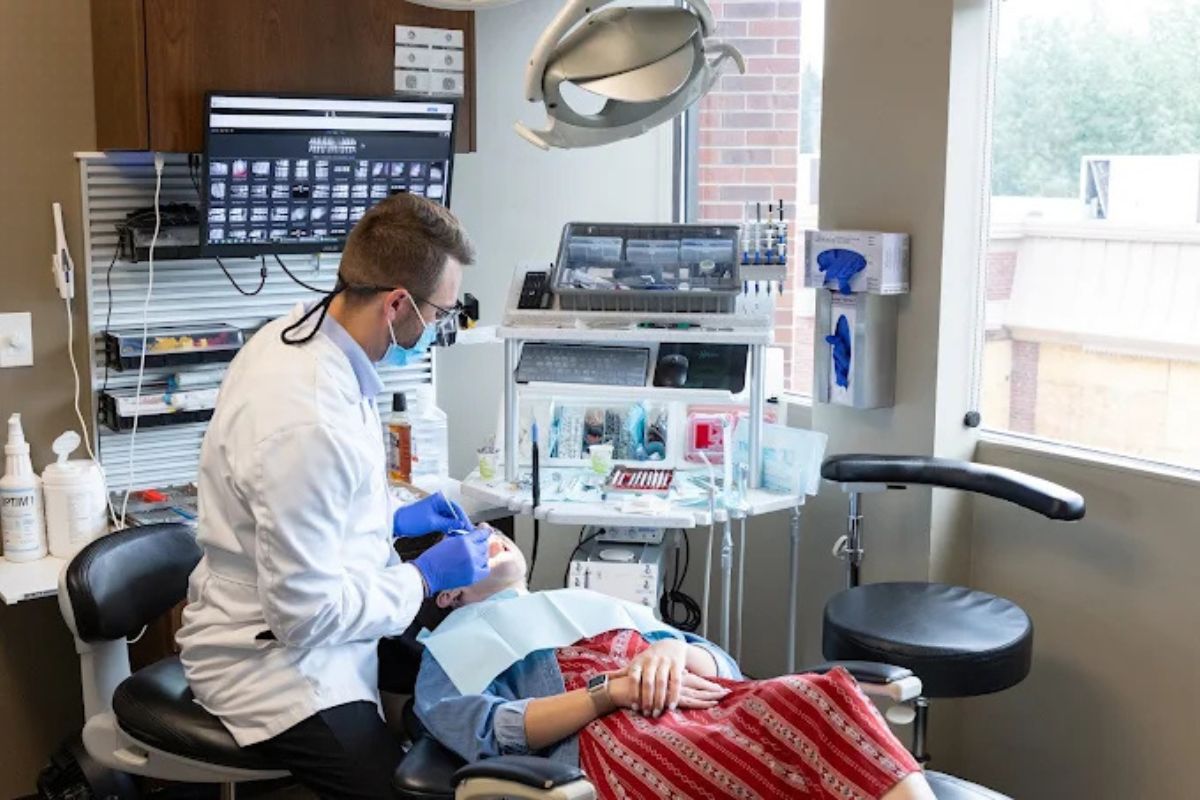
New Patients and Emergency Appointments are Welcome!