Early & Late Hours

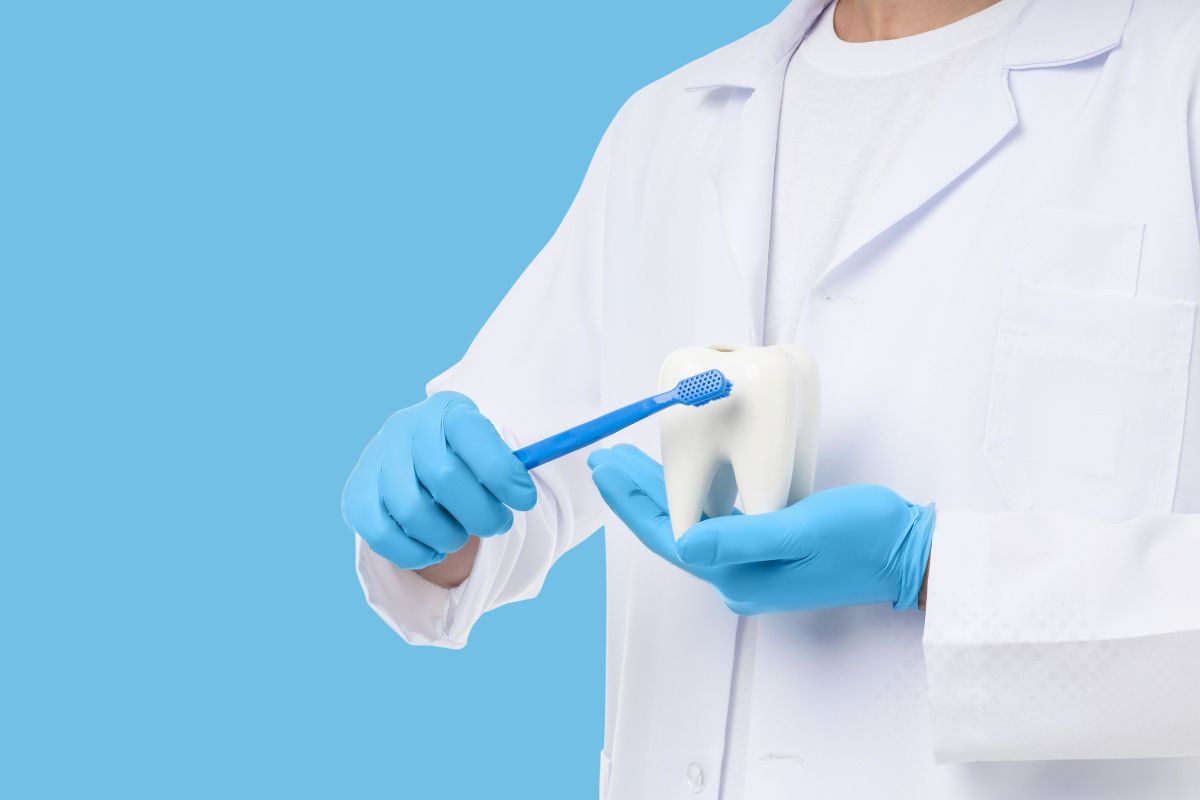
Common oral hygiene mistakes can quietly harm your teeth and gums, even when you brush every day. At Evergreen Dental Group, we often meet people who are surprised to learn that a few simple habits are causing cavities, sensitivity, and gum problems.
Most people believe they are taking good care of their teeth. You may brush twice a day, use mouthwash, and avoid too much sugar. However, small errors in your daily routine can still lead to major dental issues over time.
The good news is that these problems are easy to fix once you know what to look for. By understanding the most common oral hygiene mistakes, you can protect your smile, reduce dental costs, and keep your mouth healthy for years.
Brushing Too Hard
Many people think that scrubbing harder will clean better. In reality, aggressive brushing can wear down enamel and irritate your gums.
How It Causes Damage
Your enamel is strong, but it is not indestructible. Hard brushing can:
- Erodes tooth enamel
- Causes of gum recession
- Increased tooth sensitivity
- Create notches near the gumline
What You Should Do Instead
Use a soft-bristled toothbrush and gentle, circular motions. Let the bristles do the work rather than applying too much pressure.
Using the Wrong Toothbrush
Choosing the right toothbrush matters more than many people realize. One of the most common oral hygiene mistakes include using a brush with hard bristles or keeping an old toothbrush for too long.
As your experienced dentist, I often see patients in Evergreen who make common oral hygiene mistakes without realizing it. At Evergreen Dental Group, we recommend soft-bristled brushes because they clean effectively while protecting your gums and enamel.
Best Toothbrush Practices
- Replace your toothbrush every 3 to 4 months
- Change it sooner if the bristles are frayed
- Choose a brush head that fits comfortably in your mouth
- Consider an electric toothbrush if you struggle with technique
Skipping Flossing
Brushing cleans only about 60% of the tooth surface. The remaining areas lie between your teeth, where plaque and food particles collect.
Risks of Not Flossing
Without flossing, you are more likely to develop:
- Cavities between teeth
- Bad breath
- Gum inflammation
- Periodontal disease
Easy Ways to Build the Habit
If traditional floss feels difficult, try floss picks or a water flosser. Start with one tooth at a time until it becomes part of your routine.
Brushing for Too Little Time
Many people brush for less than a minute, which is not enough to thoroughly remove plaque.
The Recommended Time
Dentists recommend brushing for two full minutes, twice each day.
Helpful Tips
- Use a timer
- Play a two-minute song
- Divide your mouth into four sections and spend 30 seconds on each
Brushing Immediately After Acidic Foods
After drinking soda, orange juice, or sports drinks, your enamel becomes temporarily softer. Brushing right away can wear it down.
Better Approach
Wait at least 30 minutes before brushing. In the meantime:
- Rinse with water
- Chew sugar-free gum
- Drink plain water to neutralize the acids
Forgetting to Clean Your Tongue
Your tongue traps bacteria, food particles, and dead cells. Ignoring it can lead to bad breath and bacterial buildup.
Simple Solution
Use a tongue scraper or the back of your toothbrush to clean your tongue once a day.
Relying Only on Mouthwash
Mouthwash can freshen breath, but it cannot replace brushing and flossing.
What Mouthwash Actually Does
A good mouthwash can:
- Reduces bacteria
- Strengthen enamel with fluoride
- Fresh breath
Still, it works best as an addition to—not a replacement for—proper brushing and flossing.
Eating Sugary Snacks Throughout the Day
Frequent snacking exposes your teeth to constant acid attacks. Every sugary snack feeds bacteria that produce harmful acids.
Smarter Snack Choices
Choose tooth-friendly options such as:
- Cheese
- Apples
- Nuts
- Yogurt
- Raw vegetables
Also, drink water after snacks to wash away food particles.
Ignoring Bleeding Gums
Some people stop flossing when their gums bleed. This is one of the most overlooked oral hygiene mistakes.
What Bleeding Usually Means
Bleeding gums often indicate inflammation caused by plaque buildup. Consistent brushing and flossing usually improves the condition within a week or two.
If the bleeding continues, schedule a dental exam.
Not Drinking Enough Water
Water plays an important role in oral health. It rinses away debris and helps your body produce saliva.
Why Saliva Matters
Saliva:
- Neutralizes acids
- Washes away bacteria
- Supplies minerals that strengthen enamel
Dry mouth increases the risk of cavities and bad breath.
Using Teeth as Tools
Opening packages or biting your nails may seem harmless, but these habits can chip or crack teeth.
Protect Your Teeth
Use scissors instead of your teeth and consider stress-reducing techniques if you bite your nails.
Wearing Down Teeth Through Grinding
Teeth grinding, also called bruxism, often happens during sleep and can cause:
- Tooth wear
- Jaw pain
- Headaches
- Cracked fillings
How to Manage It
Your dentist may recommend a custom night guard to protect your teeth while you sleep.
Skipping Regular Dental Checkups
Even excellent home care cannot remove hardened tartar or detect hidden problems early.
Why Professional Care Matters
Routine visits help identify:
- Small cavities
- Early gum disease
- Oral cancer
- Bite problems
Preventive care saves both time and money in the long run.
Quick Summary of Common Oral Hygiene Mistakes
To keep your smile healthy, avoid these habits:
- Brushing too hard
- Using an old or hard-bristled toothbrush
- Skipping flossing
- Brushing for less than two minutes
- Brushing right after acidic foods
- Ignoring your tongue
- Depending only on mouthwash
- Snacking on sugar frequently
- Overlooking bleeding gums
- Not drinking enough water
- Using teeth as tools
- Skipping dental visits
The most common oral hygiene mistakes often seem small, but they can lead to cavities, gum disease, and tooth sensitivity over time. By improving your daily habits, you can protect your teeth and enjoy a healthier smile. If you live in Evergreen and want personalized care, visit our dental office at Evergreen Dental Group and schedule your appointment today.
New Patients and Emergency Appointments are Welcome!