Early & Late Hours

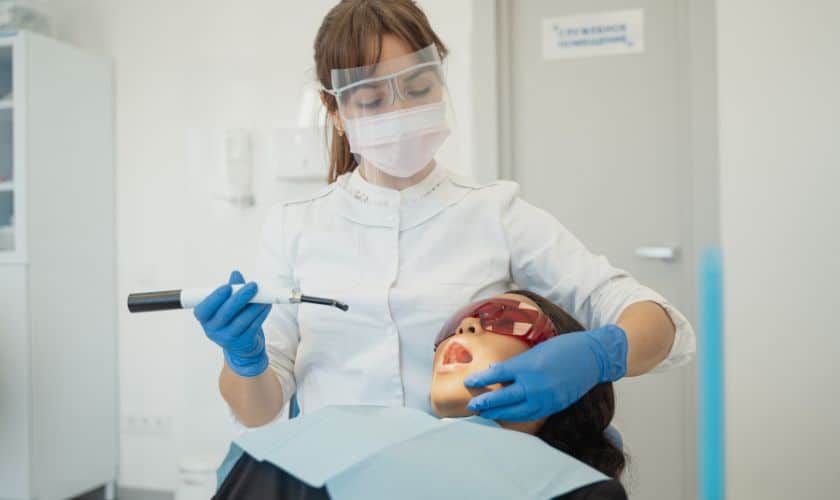
Are you experiencing pain or discomfort in the back of your mouth? It might be time to consider removing your wisdom teeth. Wisdom teeth, also known as third molars, are the last set of teeth to emerge in your late teens or early twenties. While some people have no issues with their wisdom teeth, others may experience problems that require removal. In this blog post, we’ll dive into when and why wisdom teeth should be removed and what you can expect during and after the procedure. So sit back, grab a cup of tea, and let’s explore all things wisdom teeth!
What Are Wisdom Teeth?
Wisdom teeth are the third molars that grow at the back of your mouth. They usually emerge between the ages of 17 and 25, although some people may never develop them at all. Wisdom teeth can be useful for chewing tough or fibrous foods, but they are not essential for a healthy mouth.
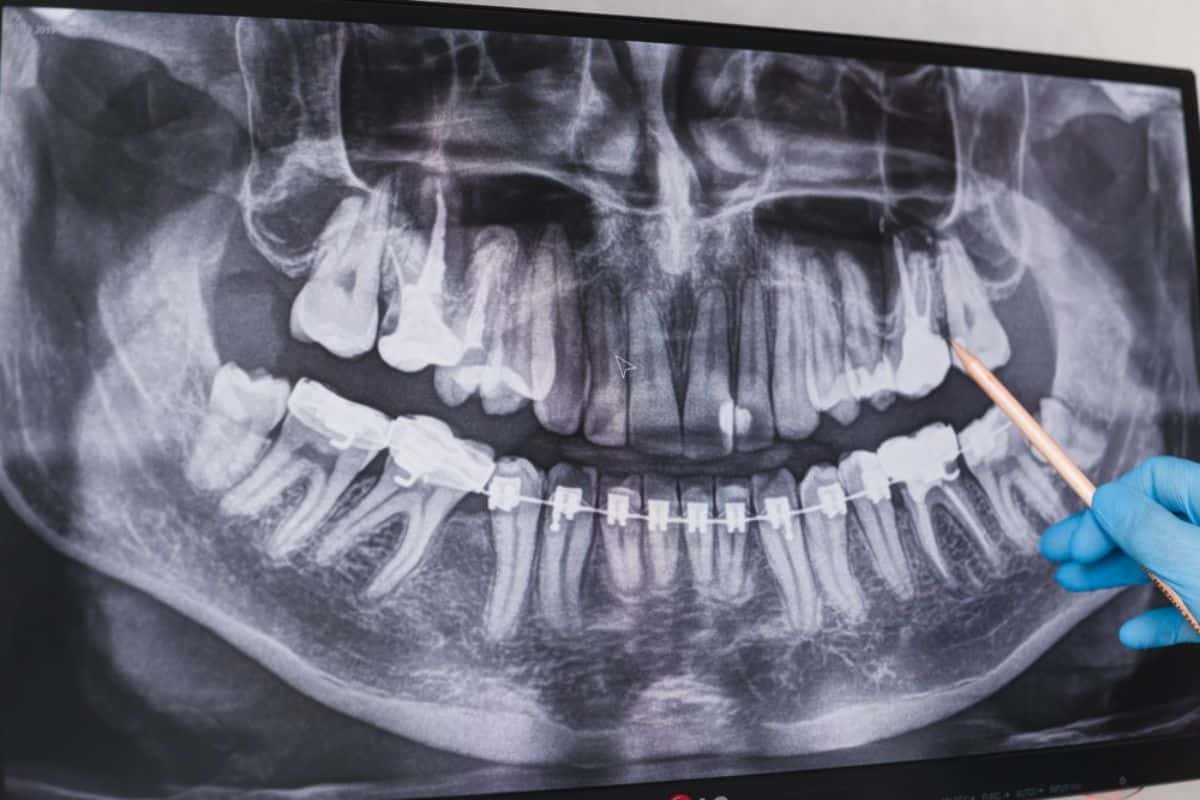
However, wisdom teeth can cause problems if there isn’t enough space in your mouth to accommodate them. This lack of space can result in impacted wisdom teeth – when they don’t fully emerge from the gum line – or cause surrounding teeth to shift out of place.
Additionally, wisdom teeth are more difficult to keep clean than other molars because they’re located so far back in your mouth. This can make you more susceptible to tooth decay and gum disease.
If you experience pain or discomfort around your jawline or have trouble opening your mouth fully, it could be a sign that something is wrong with your wisdom teeth. Consult with a dentist as soon as possible to determine whether removal is necessary.
When Should Wisdom Teeth Be Removed?
Wisdom teeth, also known as third molars, typically start to erupt between the ages of 17 and 25. While some people have enough space in their mouths to accommodate these new teeth without issue, others experience problems that require removal.
One common reason for removing wisdom teeth is due to overcrowding or impaction. When there isn’t enough room in the mouth for the wisdom teeth to fully emerge, they may become impacted or cause discomfort and pain.
Another reason for removal is if the wisdom teeth are causing damage to adjacent teeth or gum tissue. In some cases, cysts can even form around impacted wisdom teeth and cause more serious oral health issues if left untreated.
In general, dentists will recommend removing wisdom teeth before any major problems arise. This usually means having them removed during young adulthood when the roots are not fully formed yet and recovery time tends to be quicker.
Ultimately, it’s important to consult with a dental professional about whether you should have your wisdom teeth removed based on your individual situation and needs.
How Do You Remove Wisdom Teeth?
Removing wisdom teeth may seem like a daunting task, but with the advancement in dental technology and anesthesia options, it has become a routine procedure. The method of removing wisdom teeth depends on several factors such as the position of the tooth and its roots.
Firstly, if the tooth has fully erupted from the gums, then it can be easily removed using forceps. But if it is still under the gum line or impacted, then an incision needs to be made into the gum tissue to access it. This approach requires more complex surgical techniques.
Once access is gained to the tooth root, your dentist will use special tools to carefully loosen and remove it from its socket. If necessary, they will also section larger teeth into smaller pieces for easier removal.
Afterward, stitches are placed in order to close up any incisions made during surgery. These stitches dissolve over time on their own or need to be removed by your dentist after a week or so depending on what type of stitches were used.
In terms of pain management post-surgery; ice packs and prescribed pain medication help reduce swelling and discomfort. It’s important not to smoke or drink through a straw after surgery for at least 24 hours as this can dislodge blood clots that form during healing which leads to dry sockets -a painful condition that delays healing progress- .
After Removing Wisdom Teeth, What Should You Do?
After removing wisdom teeth, it is important to take care of your mouth properly to ensure a smooth and quick recovery. The following tips can help you heal faster and avoid any complications.
Firstly, make sure to rest for at least 24 hours after the surgery. Avoid any strenuous activities that may cause bleeding or discomfort in the affected area.
Secondly, apply an ice pack on your cheeks for about 15-20 minutes at a time to reduce swelling and pain. You can do this several times a day for the first two days after surgery.
Thirdly, stick to soft foods like soups, yogurts or mashed potatoes during the first few days until you are comfortable with eating more solid foods.
Fourthly, avoid using straws as sucking motions can dislodge blood clots that are necessary for healing. Also refrain from smoking or drinking alcohol for the first few days as they slow down the healing process.
Follow your dentist’s instructions carefully regarding post-operative care which may include rinsing with salt water solution or taking antibiotics if prescribed.
By taking these precautions and following proper oral hygiene practices such as brushing gently around surgical sites will help you recover quickly without experiencing any unnecessary complications.
The Bottom Line
Wisdom teeth removal is recommended for those who experience pain, infection, or damage to surrounding teeth. It’s essential to consult with your dentist about the best time for you to have them removed since each person’s situation is unique.
Furthermore, removing wisdom teeth can prevent future dental problems that could be more challenging and expensive to fix. Ensure you follow the post-operative care instructions given by your dentist after surgery.
Remember that prevention is better than cure when it comes to oral health. Regular visits to the dentist and proper brushing and flossing techniques can help keep your teeth healthy and avoid complications in the future.
New Patients and Emergency Appointments are Welcome!