Early & Late Hours

Early Signs of Oral Disease: Warning Symptoms You Should Never Ignore
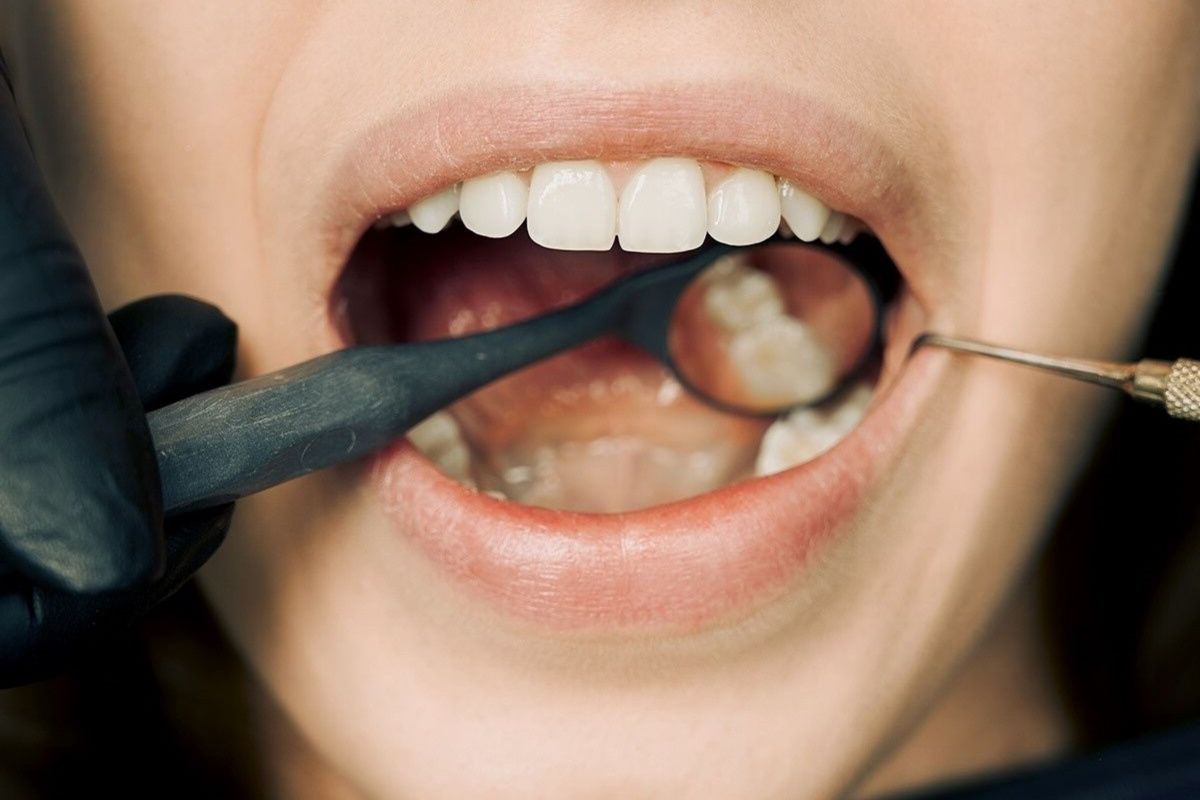
Early signs of oral disease often appear quietly, but they can signal serious problems if you ignore them. At Evergreen Dental Group, we encourage patients to watch for small changes in their mouth because early treatment can prevent pain, tooth loss, and costly procedures.
Your mouth gives you important clues about your overall health. Bleeding gums, bad breath, and tooth sensitivity may seem minor at first. However, these symptoms can point to developing dental issues that need attention.
If you recognize the early signs of oral disease, you can take action before the condition worsens. In many cases, simple treatment and better daily care can restore your oral health and protect your smile.
Bleeding Gums When You Brush or Floss
Healthy gums should not bleed during normal brushing or flossing. If you notice blood in the sink, your gums may be inflamed.
What Bleeding Gums Can Mean
Bleeding often indicates:
- Gingivitis
- Plaque buildup
- Early gum infection
- Poor flossing habits
Why You Should Not Ignore It
Gingivitis can progress to more serious gum problems if left untreated. Fortunately, professional cleanings and improved home care usually reverse it.
Persistent Bad Breath
Bad breath that does not go away after brushing can be one of the early signs of oral disease.
Common Causes of Chronic Bad Breath
- Gum inflammation
- Bacteria on the tongue
- Tooth decay
- Dry mouth
- Food trapped between teeth
As your experienced dentist, I often help patients in Evergreen who notice early signs of oral disease but are unsure what they mean. At Evergreen Dental Group, we identify the cause and recommend personalized treatment to restore fresh breath and healthy gums.
Tooth Sensitivity
Sharp pain when eating hot, cold, or sweet foods may indicate a developing dental problem.
Possible Reasons for Sensitivity
- Enamel wear
- Receding gums
- Cavities
- Cracked teeth
- Teeth grinding
When to Schedule a Dental Visit
Sensitivity that lasts for more than a few days deserves professional evaluation.
Red, Swollen, or Tender Gums
Healthy gums look firm and pink. If your gums appear puffy or feel sore, inflammation may be present.
Why This Happens
Plaque and bacteria irritate the gum tissue. Over time, untreated inflammation can damage the supporting structures around your teeth.
White Patches or Sores in the Mouth
Not every mouth sore is dangerous, but sores that do not heal within two weeks need attention.
Symptoms to Watch For
- White or red patches
- Painful ulcers
- Thickened tissue
- Persistent irritation
These changes may result from infection, irritation, or more serious conditions.
Loose Teeth
Adult teeth should feel stable. Movement or shifting can signal advanced gum damage or bone loss.
Other Related Symptoms
- Changes in your bite
- New gaps between teeth
- Difficulty chewing
Prompt treatment can help preserve your natural teeth.
Receding Gums
When gums pull away from your teeth, more of the tooth surface becomes exposed.
Warning Signs
- Teeth look longer
- Increased sensitivity
- Notches near the gumline
Receding gums often result from gum inflammation, aggressive brushing, or teeth grinding.
Pain When Chewing
Discomfort while eating may indicate tooth decay, a cracked tooth, or infection.
Don’t Wait for Severe Pain
Many people postpone care until the pain becomes intense. Early treatment is simpler and more affordable.
Dry Mouth
Saliva protects your teeth and gums by washing away food particles and neutralizing acids.
Causes of Dry Mouth
- Certain medications
- Mouth breathing
- Dehydration
- Medical conditions
Why It Matters
Dry mouth increases the risk of cavities, bad breath, and gum irritation.
Changes in Tooth Color
Dark spots, white chalky areas, or discoloration can be signs of enamel damage or decay.
What These Changes May Indicate
- Early cavities
- Mineral loss
- Internal tooth damage
A dental exam can determine the cause and the best treatment.
Jaw Pain or Clicking
Pain or popping in the jaw may suggest teeth grinding or temporomandibular joint (TMJ) issues.
Symptoms to Notice
- Morning headaches
- Tight jaw muscles
- Difficulty opening your mouth fully
Treating the underlying problem can reduce discomfort and protect your teeth.
Why Early Detection Matters
Early signs of oral disease are easier to treat than advanced dental problems. Addressing symptoms quickly can help you:
- Prevent tooth loss
- Reduce treatment costs
- Avoid severe pain
- Protect your overall health
Regular dental visits also allow your dentist to detect issues that you may not notice at home.
Daily Habits That Support Oral Health
You can lower your risk of oral disease by following a few simple habits:
- Brush twice a day with fluoride toothpaste
- Floss once daily
- Clean your tongue
- Drink plenty of water
- Limit sugary snacks
- Avoid tobacco
- Schedule routine checkups
Early signs of oral disease include bleeding gums, persistent bad breath, sensitivity, and mouth sores that do not heal. Paying attention to these symptoms can help you avoid more serious dental problems. If you notice any warning signs, visit our dental office at Evergreen Dental Group and schedule your appointment today.
Related Articles

New Patients and Emergency Appointments are Welcome!