Early & Late Hours


Dry mouth is more common in Colorado than many people realize. The state’s high altitude, dry climate, and active outdoor lifestyle can all reduce the amount of saliva your mouth produces. As a result, you may notice a sticky feeling, persistent thirst, bad breath, or difficulty swallowing. At Evergreen Dental Group, we understand how Colorado’s environment can affect your oral health. Fortunately, once you know what causes dry mouth and how to manage it, you can protect your teeth, gums, and overall comfort.
Why Is Dry Mouth More Common in Colorado?
Colorado’s beautiful mountains and fresh air attract residents and visitors throughout the year. However, the same environment that makes the state unique can also contribute to oral health concerns.
Higher elevations often mean lower humidity. Consequently, moisture evaporates more quickly from your mouth and body. In addition, many people breathe through their mouths while hiking, skiing, biking, or exercising outdoors. These habits can make dry mouth worse if you do not stay properly hydrated.
Heating systems used during Colorado’s colder months also reduce indoor humidity, which may leave your mouth feeling even drier throughout the day.
Common Causes of Dry Mouth
Although Colorado’s climate plays a major role, several other factors can contribute to dry mouth.
High Altitude and Dry Air
At higher elevations, the air contains less moisture. Your body loses water more quickly through breathing, especially during physical activity. Therefore, your mouth may not stay as moist as it would in more humid climates.
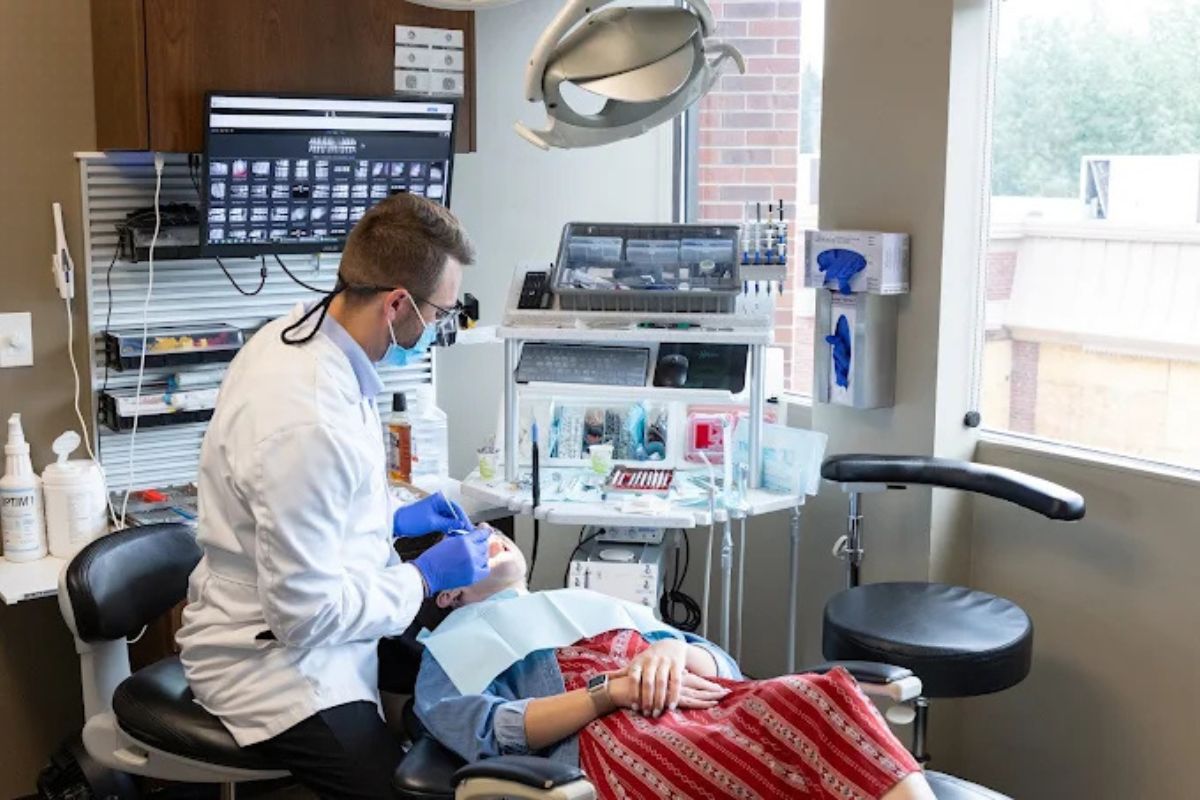
If you live in Evergreen, an experienced dentist can help determine whether your dry mouth is related to environmental factors or an underlying oral health condition. At Evergreen Dental Group, we take a personalized approach to preventive dental care and help patients find practical solutions that support long-term oral health.
Dehydration
One of the most common reasons for dry mouth is dehydration.
You may become dehydrated if you:
- Do not drink enough water.
- Spend long hours outdoors.
- Exercise frequently.
- Consume excessive caffeine or alcohol.
- Experience vomiting or diarrhea.
Even mild dehydration can reduce saliva production.
Certain Medications
Hundreds of prescription and over-the-counter medications list dry mouth as a possible side effect.
These may include:
- Allergy medications
- Antidepressants
- Blood pressure medications
- Pain relievers
- Muscle relaxants
- Cold and sinus medications
If you notice symptoms after starting a new medication, speak with your healthcare provider before making any changes.
Medical Conditions
Several health conditions may also contribute to reduced saliva production.
Examples include:
- Diabetes
- Sjogren’s syndrome
- Parkinson’s disease
- Alzheimer’s disease
- Autoimmune disorders
If your symptoms continue despite lifestyle changes, a professional evaluation is important.
Why Saliva Is Important
Many people underestimate the importance of saliva. However, it performs several essential functions that help maintain a healthy mouth.
Saliva helps:
- Wash away food particles.
- Neutralize harmful acids.
- Reduce plaque buildup.
- Protect tooth enamel.
- Support healthy digestion.
- Prevent bacterial growth.
Without enough saliva, your risk of cavities and gum disease increases significantly.
Symptoms You Should Not Ignore
The symptoms of dry mouth may develop gradually or appear suddenly.
Common signs include:
- A sticky feeling inside your mouth
- Constant thirst
- Cracked lips
- Difficulty chewing or swallowing
- A dry or sore throat
- Bad breath
- Changes in taste
- Trouble wearing dentures comfortably
- A rough or dry tongue
If these symptoms continue for several weeks, schedule a dental evaluation.
How Dry Mouth Affects Your Oral Health
Saliva protects every part of your mouth. Therefore, when saliva production decreases, several oral health problems may develop.
Increased Risk of Cavities
Without enough saliva to rinse away bacteria, plaque builds up more easily. This increases your chances of developing tooth decay.
Gum Disease
A consistently dry mouth creates an environment where bacteria thrive. Over time, this may lead to gingivitis or more advanced gum disease.
Persistent Bad Breath
Bacteria multiply quickly when saliva cannot wash them away effectively. As a result, bad breath often becomes a daily concern.
Difficulty Eating and Speaking
A lack of moisture may make chewing, swallowing, and even speaking less comfortable.
Practical Ways to Relieve Dry Mouth
Fortunately, many people can improve their symptoms by making simple daily changes.
Drink More Water
Water is your best defense against dry mouth.
Try to:
- Carry a reusable water bottle.
- Take frequent small sips.
- Increase water intake during outdoor activities.
- Drink extra fluids at higher elevations.
Limit Drying Beverages
Some drinks contribute to dehydration.
Reduce your intake of:
- Coffee
- Energy drinks
- Alcohol
- Sugary sodas
Replacing these beverages with water can make a noticeable difference.
Stimulate Saliva Naturally
Sugar-free gum or sugar-free lozenges may encourage your salivary glands to produce more saliva.
Products containing xylitol may also help reduce cavity risk.
Use a Humidifier
Adding moisture to your bedroom during the night can help reduce morning symptoms, especially during Colorado’s dry winter months.
Avoid Tobacco Products
Smoking and other tobacco products often worsen dry mouth while increasing your risk of gum disease and oral cancer.
Protect Your Teeth While Managing Dry Mouth
Maintaining good oral hygiene becomes even more important when saliva levels decrease.
Healthy habits include:
- Brush twice each day with fluoride toothpaste.
- Floss daily.
- Limit sugary snacks.
- Schedule regular dental cleanings.
- Drink water after meals.
- Follow your dentist’s recommendations.
These habits help reduce plaque and protect your smile.
When Should You See a Dentist?
Occasional dryness after exercise or a long day outdoors is usually not a cause for concern.
However, schedule a dental visit if:
- Your symptoms last several weeks.
- You frequently develop cavities.
- Your gums bleed easily.
- You experience ongoing bad breath.
- Eating becomes uncomfortable.
- Your mouth feels dry every day.
A comprehensive examination can identify the underlying cause and help prevent future complications.
Frequently Asked Questions
Can Colorado’s altitude really cause dry mouth?
Yes. Colorado’s high elevation and low humidity increase moisture loss, making dry mouth more common than in many lower-altitude regions.
Does dry mouth increase cavity risk?
Yes. Reduced saliva allows bacteria and plaque to remain on your teeth longer, increasing the likelihood of cavities.
Can dehydration alone cause dry mouth?
Absolutely. Even mild dehydration may reduce saliva production, especially during outdoor activities.
Is dry mouth always caused by medications?
No. While medications are a common cause, dehydration, medical conditions, aging, and environmental factors may also contribute.
Can a dentist help treat dry mouth?
Yes. Your dentist can identify possible causes, evaluate your oral health, and recommend preventive strategies or products to relieve symptoms.
Living in Colorado offers many benefits, but the state’s high altitude and dry climate can make dry mouth a common challenge. Fortunately, staying hydrated, practicing good oral hygiene, and addressing symptoms early can help protect your teeth, gums, and overall oral health. If you have persistent dry mouth or want personalized preventive care, schedule an appointment with Evergreen Dental Group in Evergreen. To get started, visit our dental office.

New Patients and Emergency Appointments are Welcome!