Early & Late Hours

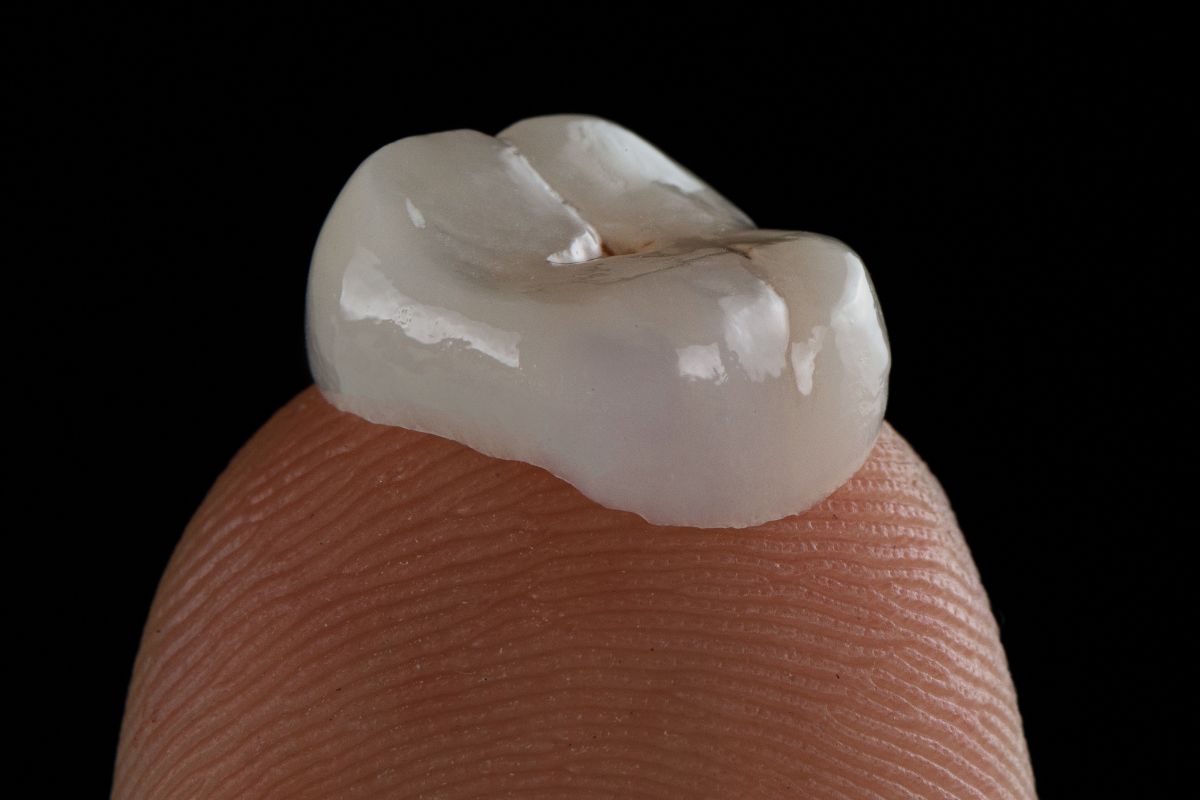
A dental crown should feel stable when you chew, speak, and smile. However, if it starts moving, rocking, or feeling different from usual, you may wonder what to do next. Knowing what to do if you have a loose dental crown can help protect the underlying tooth and prevent further damage. At Evergreen Dental Group in Evergreen, Colorado, patients can explore treatment options when a crown no longer fits securely.
A loose crown does not always mean you need a completely new restoration. Sometimes, the dental cement has weakened, while other cases involve decay, damage, or changes in the tooth underneath. Acting promptly gives your dentist a better chance to identify the problem and recommend suitable treatment.
What Should You Do If Your Dental Crown Feels Loose?
The first step is to avoid putting extra pressure on the affected tooth. Even if the crown still looks normal, movement can expose the underlying tooth or cause the restoration to come off.
Follow these steps while arranging dental care:
- Stop chewing on that side: Choose softer foods and avoid biting directly on the crown.
- Keep the area clean: Brush gently around the tooth and clean nearby teeth carefully.
- Avoid pulling or wiggling the crown: Repeated movement may damage the remaining attachment or irritate the tooth.
- Save the crown if it comes off: Place it in a clean container and bring it to your appointment.
- Contact your dentist promptly: Explain whether the crown moves, causes pain, or has completely detached.
If the crown comes off, do not force it back into place. A loose fit can create a choking risk or damage the tooth if you bite down on it.
For information about restorative options, including how a dental crown protects a damaged tooth, review the treatment options available through Evergreen Dental Group.
Why Does a Dental Crown Become Loose?
A crown can loosen for several reasons. Identifying the cause matters because simply reattaching it may not solve the underlying problem.
The dental cement has weakened
Dental cement holds a crown in position. Over time, normal chewing forces, wear, or changes in the restoration can weaken that bond.
If the crown and the underlying tooth remain healthy, your dentist may be able to clean the surfaces and secure the crown again. However, the dentist must first check whether the restoration still fits properly.
Decay has developed beneath the crown
A crown covers the visible part of a tooth, but the natural tooth remains underneath. Bacteria can cause decay around the crown’s edges if plaque builds up or the seal deteriorates.
As decay weakens the supporting tooth structure, the crown may lose its stability. Your dentist may need to remove the crown to assess the damage and determine whether the tooth can still support it.
The crown or underlying tooth has cracked
Dental crowns can withstand normal chewing, but excessive force may damage them. Biting hard objects, grinding your teeth, or sustaining an injury can contribute to cracks.
The natural tooth beneath the crown can also fracture. Depending on the location and extent of the damage, your dentist may recommend repairing the restoration, replacing it, or considering another treatment.
Your bite places too much pressure on the crown
If a crown receives excessive pressure when you bite, it may experience unusual stress. Teeth grinding and clenching can also contribute to repeated strain.
In these cases, the team at Evergreen Dental Group can assess your bite and discuss ways to reduce pressure on the restoration.
What Symptoms Should You Watch For?
A loose crown does not always cause pain. Therefore, pay attention to changes in how the tooth feels, even when you can still chew comfortably.
Common warning signs include:
- Movement: The crown shifts when your tongue touches it or when you chew.
- A change in your bite: Your teeth meet differently, or the crown feels unusually high.
- New sensitivity: The tooth reacts to hot, cold, or sweet foods.
- Discomfort while chewing: Pressure on the crown causes tenderness or pain.
- Food getting trapped: Food collects around the crown more often than usual.
- An unusual taste or odor: This may occur when food and bacteria collect around a damaged or poorly fitting restoration.
These symptoms do not confirm a specific problem. However, they help your dentist understand what may have changed.
When is a loose crown an emergency?
Contact a dentist promptly if your crown moves significantly or falls off. Seek urgent dental care if you experience severe pain, facial swelling, fever, or signs of infection.
If you have trouble breathing or swallowing because of a dislodged crown or another object, seek emergency medical assistance immediately.
Even without pain, do not leave a loose crown untreated for weeks. The exposed tooth may become more sensitive, and further damage could make treatment more complicated.
How Can You Protect Your Tooth Until Your Appointment?
Taking a few precautions can help reduce discomfort and protect the exposed tooth while you wait for dental care.
Choose soft foods
Eat foods that require little chewing, such as yogurt, eggs, oatmeal, or mashed vegetables. Avoid sticky foods like caramel and chewing gum, which may pull on the crown.
Hard foods, including nuts and ice, can place extra pressure on the restoration. Therefore, avoid them until your dentist evaluates the tooth.
Keep brushing and flossing
Continue your regular oral hygiene routine, but clean the affected area gently. Use a soft-bristled toothbrush and avoid pressing directly against a crown that moves.
When flossing near the tooth, take care not to catch the floss beneath the loose restoration. If you cannot clean the area comfortably, ask your dental team for specific instructions.
Manage sensitivity carefully
If the tooth feels sensitive, avoid very hot or cold foods and drinks. You can also choose foods that do not require much chewing.
If you need an over-the-counter pain reliever, follow its label instructions and check with a healthcare professional if you have medical conditions, take other medications, or are unsure whether it is suitable for you.
Do not place aspirin directly against the tooth or gums. It can irritate the soft tissue.
Avoid household adhesives
Never use superglue or other household adhesives to reattach a crown. These products are not designed for use inside the mouth and may damage tissues or complicate professional treatment.
Temporary dental repair products may be available at pharmacies, but they are not a substitute for an examination. Ask your dentist whether a specific product is appropriate for your situation.
How Will a Dentist Repair a Loose Dental Crown?
The right treatment depends on why the crown has loosened. Your dentist will examine the restoration, the underlying tooth, and the surrounding gums before deciding how to proceed.
Recementing the existing crown
If the crown remains intact and the tooth underneath is healthy, your dentist may be able to clean the restoration and secure it again with dental cement.
This option may work well when the original crown still fits correctly. However, the dentist must rule out decay, cracks, and other issues first.
Repairing or replacing the crown
If the crown has cracked, worn down, or no longer fits properly, your dentist may recommend a replacement.
The dentist will assess the remaining tooth structure and determine whether a new crown can restore strength and function. In some cases, a same-day crown may be an option, depending on the tooth’s condition and the treatment required.
Treating decay or infection
If decay has developed beneath the crown, the dentist must address it before placing a suitable restoration. Treatment may involve removing decayed tissue and rebuilding the tooth.
If the damage reaches the inner pulp, root canal treatment may be necessary. However, the dentist will recommend this only when the condition of the tooth calls for it.
Considering other treatment options
Sometimes, a tooth becomes too damaged to support a crown. In that situation, the dentist may discuss whether the tooth can be saved or whether extraction and replacement would provide a better outcome.
The decision depends on the extent of the damage, the available tooth structure, your oral health, and your preferences. The dental team at Evergreen Dental Group can explain the available options after examining the tooth.
How Can You Prevent Your Dental Crown From Loosening Again?
Although no crown lasts forever, good habits can help protect your restoration and reduce the risk of future problems.
- Brush twice daily: Use fluoride toothpaste to help protect the remaining natural tooth.
- Floss every day: Clean carefully around the crown’s edges to reduce plaque buildup.
- Attend regular checkups: Your dentist can examine the crown and look for early signs of wear or decay.
- Avoid chewing hard objects: Do not bite ice, hard candy, pens, or similar objects.
- Address teeth grinding: If you clench or grind your teeth, ask whether a custom night guard may help.
- Limit frequent sugary snacks: Reducing repeated sugar exposure can help lower the risk of decay around the crown.
Crowns often last many years, but their lifespan depends on the material, fit, bite forces, and daily care. Regular dental visits help your dentist identify problems before they become more serious.
It also helps to pay attention to small changes. If a crown begins to feel different when you bite or food repeatedly collects around its edges, contact your dental office rather than waiting for it to become painful.
A loose dental crown needs prompt attention, even if it does not hurt. Avoid chewing on the affected side, keep the area clean, and never use household glue to reattach the restoration. Your dentist can determine whether the crown needs recementing, repair, replacement, or treatment of the underlying tooth.
If your crown feels loose or has come off, request an appointment with Evergreen Dental Group to have the tooth evaluated and discuss the appropriate treatment.


New Patients and Emergency Appointments are Welcome!