Early & Late Hours

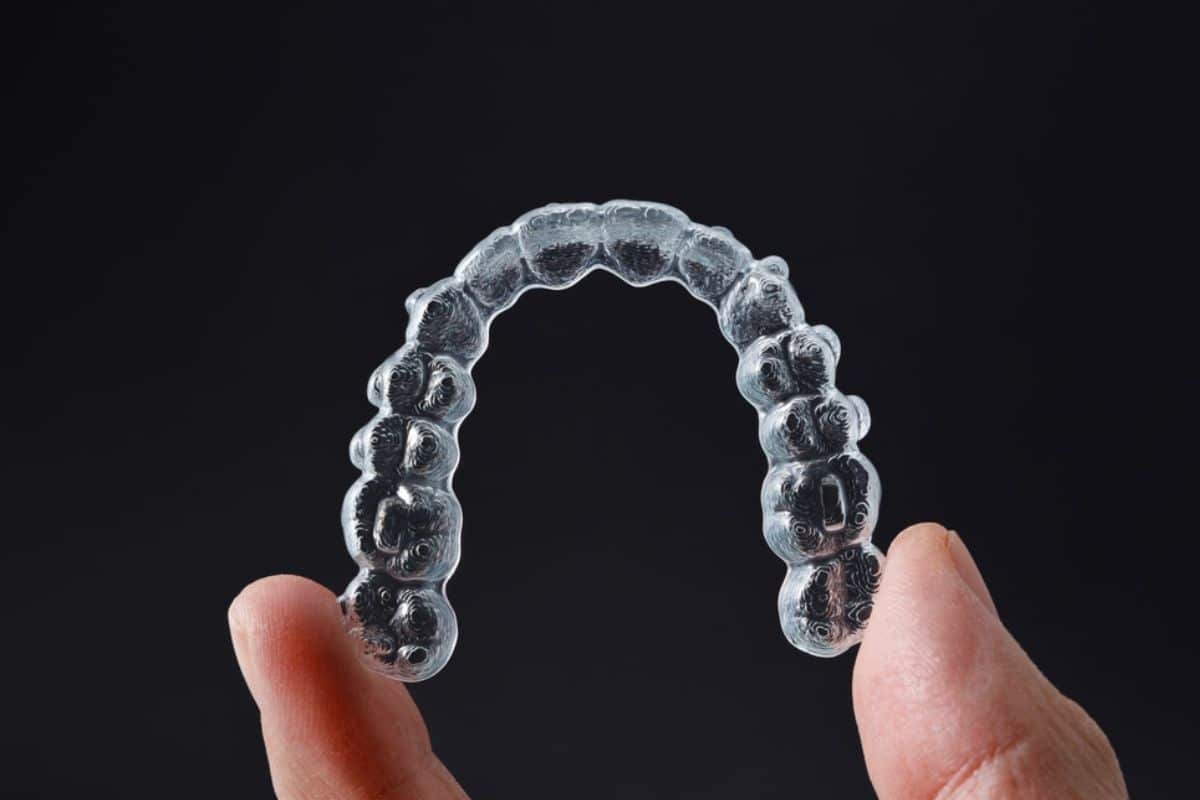
Invisalign is a popular orthodontic treatment that offers a discreet and comfortable alternative to traditional metal braces. With its clear, removable aligners, Invisalign makes it easier for individuals to straighten their teeth without the noticeable brackets and wires. However, like any orthodontic treatment, it comes with some potential side effects. While most of these are mild and temporary, knowing what to expect can help you navigate your journey to a perfect smile with ease. If you’re considering Invisalign, here are seven common side effects you should be aware of:
7 common side effects of considering Invisalign
1. Mild Discomfort or Soreness
One of the most common side effects of Invisalign is mild discomfort, especially when switching to a new set of aligners. This is because the aligners exert pressure on your teeth to gradually move them into place. The discomfort usually lasts for a few days and can be managed with over-the-counter pain relievers and by sticking to soft foods.
2. Excessive Salivation or Dry Mouth
Some people experience an increase in saliva production when they first start wearing aligners, as the mouth adjusts to the presence of a foreign object. Conversely, others may experience dry mouth, especially if they do not stay hydrated. Drinking plenty of water and sucking on sugar-free lozenges can help alleviate these issues.
3. Speech Changes
Because Invisalign aligners cover the teeth, they can cause slight speech changes, such as a temporary lisp. This happens as your tongue adapts to the new appliance. Most patients adjust within a few days and regain their normal speech patterns. Practicing speaking with the aligners can speed up the adaptation process.
4. Gum and Soft Tissue Irritation
The edges of Invisalign aligners can sometimes cause irritation to the gums, tongue, or inner cheeks. While the aligners are designed to be smooth, some patients may still experience minor discomfort. Using orthodontic wax on rough edges or asking your dentist to smooth out the aligners can help prevent irritation.
5. Bad Breath
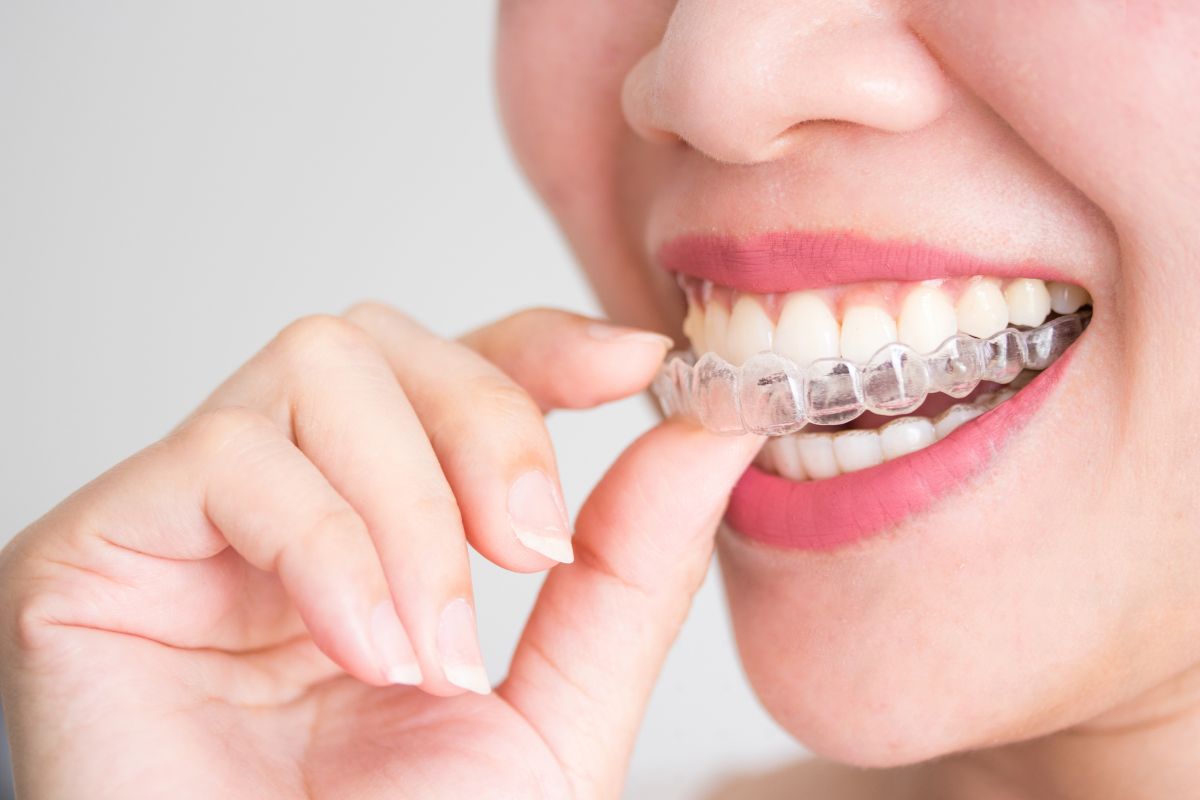
Bad breath can occur if aligners are not cleaned properly or if food particles get trapped between your teeth and the trays. Since you need to wear your aligners for 20-22 hours a day, it’s essential to maintain good oral hygiene by brushing and flossing regularly. Cleaning your aligners daily with mild soap or Invisalign cleaning crystals can also help keep odors at bay.
6. Temporary Tooth Sensitivity
Tooth sensitivity is common when undergoing orthodontic treatment, as teeth shift and become slightly more vulnerable. Hot or cold foods may trigger discomfort, but this usually subsides as your teeth adjust. Using toothpaste formulated for sensitive teeth can help manage this issue.
7. Minor Jaw Pain or TMJ Symptoms
Since Invisalign works by gradually shifting your teeth, some patients may experience mild jaw pain or tension, particularly if they have a history of temporomandibular joint (TMJ) issues. This discomfort is usually temporary, but if it persists, discussing it with your dentist can help determine the best course of action.
Final Thoughts
Invisalign is an excellent choice for straightening teeth with minimal disruption to daily life. While these side effects are common, they are usually mild and manageable. By staying on top of your oral hygiene, following your dentist’s instructions, and allowing your mouth time to adjust, you can ensure a smoother Invisalign experience. If you’re considering Invisalign, consulting with an experienced dentist will help you achieve the best results while addressing any concerns along the way.
If you’re planning to get Invisalign treatment, it’s important to consult with our dentist at our dental office in Evergreen who can guide you through the process and address any concerns. With the right care and commitment, achieving a straighter, healthier smile is well within reach!


New Patients and Emergency Appointments are Welcome!